Archive | Global Governance RSS feed for this section

Rethinking ‘Red Lines’

11 May

The Wrong ‘Red Line’ (expanded and revised Al-Jazeera opinion piece)


            There are widespread reports circulating in the media that President Obama had not fully appreciated the political consequences of responding to a question at an August press conference that asked about the consequences of a possible future use of chemical weapons by the Assad regime. Obama replied that such a use, should it occur, would be to cross ‘a red line.’ Such an assertion was widely understood to be a threat by Obama either to launch air strikes or to provide rebel forces with major direct military assistance, including weaponry. There have been sketchy reports that Syria did make some use chemical weapons, as well as allegations that the reported use was ‘a false flag’ operation, designed to call Obama’s bluff. As the New York Times notes in a frontpage story on May 7th, Obama “finds himself in a geopolitical box, his credibility at stake with frustratingly few good options.” Such a policy dilemma raised tactical issues for the U.S. Government about how to intervene in the Syrian civil war without risking a costly and uncertain involvement in yet another Middle Eastern war. Not responding also raises delicate questions of presidential leadership in a highly polarized domestic political atmosphere, already shamelessly exploited by belligerent Republican lawmakers backed by a feverish media that always seem to be pushing Obama to pursue a more muscular foreign policy in support of alleged America’s global interests, as if hard power geopolitics still is the key to global security.


            What is missing from the debate on Syria, and generally from the challenge to American foreign policy, is a more fundamental red line that the United States at another time and place took the lead in formulating—namely, the unconditional prohibition of the use of international force by states other than in cases of self-defense against a prior armed attack. This prohibition was the core idea embodied in the United Nations Charter, embedded in contemporary international law, and it was also a natural sequel to the prosecution and punishment of surviving German and Japanese leaders after World War II for their commission of Crimes against Peace, which was the international crime associated with engaging in aggressive warfare.  The only lawful exception to this prohibition was a use of force consistent with the terms of a prior authorization given by the UN Security Council. The key hope for world peace was this consensus among the winners in World War II that in the future aggressive war and any acquisition of territory by force, even acquired in the exercise of self-defense, must be outlawed without exceptions. Such authorizations by the Security Council were obtained by the West in the Gulf War of 1991 and again in the NATO Libya War of 2011, but in each instance the actual undertaking became controversial as a result of the scope and intensity of the military operations far exceeding the UN mandate. As a consequence, there was a loss of trust on the part of China and Russia in endorsing limited uses of force under UN auspices, which became evident in the course of the gridlocked debate about what to do in response to the regionally dangerous violence in Syria that combined internal strife with external proxy involvements threatening the expansion of the war zone in a variety of menacing ways.


            Actually the Charter red line has been surprisingly well respected over the period since 1945, at least in clear instances of border-crossing sustained violence. The UN authorized the defense of South Korea in response to an armed attack by North Korea in 1950. The UN, with surprising U.S. support, even exerted effective pressure in 1956 on the United Kingdom, France, and Israel to withdraw from territory seized after their attack on Egypt, which was the sole prominent example of law prevailing over geopolitics. In 1991 the UN successfully authorized force that followed sanctions, and succeeded in restoring the sovereignty of Kuwait after Iraq’s aggressive occupation and annexation of the country in the previous year. The UN red line held up reasonably well until the end of the last century, although all along its interpretation was subject to geopolitical manipulations by reference to a variety of loopholes and evasions associated with claims of humanitarian intervention, as well as a variety of strategically motivated covert interventions (e.g. Iran 1953, Guatemala 1954). This pattern of evasion was a prominent feature of the Cold War as both sides intervened in foreign states or in their respective spheres of influence (e.g. South Vietnam, Eastern Europe, Afghanistan) to uphold by force of arms an ideological alignment with one or the other superpower. Such uses of international force by rival superpowers without engaging the UN framework definitely eroded the authority of the anti-aggression red line and its stature in international law, but it did not lead political actors to call for its abandonment in view of the behavior of leading states. It is true that some anti-legalist international law specialists who subscribed to a realist worldview felt that patterns of state practice overrode the claims of international law and the UN Charter, and that, in effect, the red line had been erased, at least for the top tier of sovereign states. Although not made explicit, the American position was increasingly exhibiting the psychological characteristics of geopolitical bipolarity: no red line for American foreign policy, while maintaining a bright red line for others, especially for adversary states.


            What weakened this red line even more decisively was undoubtedly the American led ‘coalition of the willing’ attack on Iraq in 2003 after an American plea for UN permission to use force had been rebuffed by the Security Council despite a concerted effort to convince its members that Iraq’s supposed possession of weapons of mass destruction was such a great menace to world peace as to justify what amounted to a ‘preventive war’. This undisguised defiance of this most fundamental red line of international law by the United States also defied world public opinion that had expressed itself in the most massive anti-war demonstrations in all of history held in some 80 countries on February 15, 2003, a little more than a month before the ‘shock and awe’ start of the Iraq War.  Richard Perle, often touted as the most astute of the neocon intellectuals who fashioned American strategic policy during the Bush years, was exultant about this seemingly definitive breach of the red line, celebrating American aggression against Iraq in a Guardian article aptly headlined, “Thank God for the Death of the UN.” [March 20, 2003] Although the authority of the UN was definitely flouted by the invasion and occupation of Iraq, the UN is far from dead as an Organization in its manifold efforts to address the concerns of the world, and even its red line, although covered with dust, has not yet been erased. Maybe we should really thank God that the collective global consciousness is so forgetful!


            What is baffling about the Obama approach is that it purports to be very mindful of the importance of exhibiting respect for international law. Just last September in a speech to the General Assembly Obama said, “We know from painful experience that the path to security prosperity does not lie outside the boundaries of international law..” In his Second Inaugural Obama repeated the sentiment: “We will defend our people and uphold values through strength of arms and rule of law.” And in arguing on behalf of taking collective action against states that violate international law told the Nobel Peace Prize audience in Stockholm, “[t]hose that claim respect for international law cannot avert their eyes when those laws are flouted.”


            And yet, when reflecting on intervening in Syria or resort to a military option in relation to Iran’s nuclear program, Obama is silent about the relevance of international law, although neither instance of contemplated uses of force can be remotely claimed to be justified as either individual or collective self-defense. And for obvious reasons, there is also no mention of circumventing the red line by failing to seek authorization for a contemplated used of force from the Security Council. Presumably since approval would not be forthcoming due to the anticipated opposition of Russia and China it was not even worth considering as a public tactic. It is true that the Clinton presidency in participating via NATO in the Kosovo War proceeded also to embark on a non-defensive war without seeking prior authorization for somewhat similar reasons as any resolution on Kosovo proposing use of force was sure to be vetoed by Russia and China. The Kosovo precedent generated worries about non-defensive military undertakings lacking a legal foundation. These were offset in the belief that a humanitarian catastrophe had been averted. The Kosovo undertaking was convincingly justified at the time on credible moral grounds of imminent genocide, on political grounds as enjoying support from almost all of Kosovo’s European neighbors, and on practical grounds as a military intervention that was feasible. In effect, the legitimacy of the intervention was allowed to offset its illegality. As it turned out the military undertaking and political follow up was more difficult than anticipated, but still achieved at a reasonable cost, within a relatively short period, and productive of zero casualties among the intervening forces.

            The question raised is whether from an overall perspective, the red line of international law at stake in Syria is more like Iraq or Kosovo/Libya. It is unlike Iraq in the sense that there is an ongoing unresolved civil war in Syria that is actively destabilizing the region and already spilling over national borders to cause unrest in neighboring countries.  Syria is also the scene of severe Crimes Against Humanity that are being mainly committed by the regime. Finally, at present, there is no end of the violence is in sight give the relative strength of the two sides. It is, however, unlike Kosovo/Libya as there are proxy states acting as participants on both sides, the Damascus regime despite its behavior maintains considerable internal support while the opposition is widely viewed with deep suspicion and fear as to its democratic credentials, its lack of inclusiveness, and its uncertain respect for non-Sunni minorities. In a sense it is essential that each conflict be assessed within its own distinctive context, which should raise for discussion whether the red lines of international law and UN authority should be crossed in this instance on behalf of the blue lines of legitimacy (saving a vulnerable people from a humanitarian catastrophe) and white lines of feasibility (likelihood of success with minimum loss of life and high probability of positive net effects).


            Finally, it has been argued that the changing nature of conflict has made the red line embedded in the UN Charter obsolete or at least in need of a drastically modified interpretation.  The rationale for rethinking the Charter approach to the use of force is associated with the global security situation that has resulted from terrorist attacks since 9/11 leading to the global war on terror being waged on a battlefield without national limits and increasingly doing the killing via reliance on robotic warfare on the one side and very primitive forms of disruptive violence by political extremists on the other side. Traditional ideas of deterrence, containment, and territorial defense seem almost irrelevant in relation to global security regimes when the perceived assailants are individuals who cannot be deterred, and are operating in non-territorial networks and exhibiting a readiness to die to complete their mission. As matters are proceeding the policy about force is being formulated without bothering with the red lines of international law and the UN, regressively producing once again a world of unregulated sovereign states and extremist non-states essentially deciding on their own when war is permissible. The recent Israeli air strikes on Syrian targets is illustrative: unprovoked and non-defensive, yet eliciting scant criticism in the media or even commentary about the dangers of unilateralism with respect to uses of international force. Such normative chaos in a world where already nine countries possess nuclear weapons seems like a prescription for eventual species suicide, an impression reinforced by the failure to take precautionary steps with respect to the menace of global warming. Never has the world more needed red lines that are drawn by major states, and upheld by them out of the realization that the national interest has also merged with the global interest. Arguably the red lines of the Charter need to be modified in light of the rise of non-state actors and the advent of non-territorial warfare, but such an undertaking is no where on the agenda of major states, and so the world drifts back to the pre-World War I era of unrestricted warfare, at least on the level of geopolitics.


            What is strange in all this is that Obama talks the talk, but seems unwilling to walk the walk. Such a disjunction invites cynicism about law and morality, and induces despair on the part of those of us who believe the world we inhabit badly needs red lines, but the right red lines. Redrawing the red lines that fit the realities of our world and keep alive hopes for peace and justice, should be the great diplomatic challenge of our time, the visionary projects of leading diplomats whose imaginative gaze extends beyond addressing immediate threats. The old red lines have been put aside in contemplating what to do in relation to Syria, but without trying to establish new red lines that can serve humanity well in what has been so far a  disorienting journey in the 21st century.

A Commentary on the Marathon Murders

19 Apr


            The dominant reactions to the horrific bombings on April 15th, the day of the running of the Boston Marathon, as well as the celebration of Patriots Day, have been so far: compassion for the victims, a maximal resolve to track down the perpetrators, a pundit’s notebook that generally agrees that Americans have been protected against terrorist violence since 9/11 and that the best way to prevail against such sinister adversaries is to restore normalcy as quickly as possible. In this spirit, it is best to avoid dwelling on the gory details by darkly glamorizing the scene of mayhem with flowers and homage. It is better to move forward with calm resolve and a re-commitment to the revolutionary ideals that midwifed the birth of the American nation. Such responses are generally benevolent, especially when compared to the holy war fevers espoused by national leaders, the media, and a vengeful public after the 9/11 attacks that also embraced Islamophobic falsehoods. Maybe America has become more poised in relation to such extremist incidents, but maybe not. It is soon to tell, and the somewhat hysterical Boston dragnet for the remaining at large and alive suspect does suggest that the wounds of 9/11 are far from healed


            For one thing, the scale and drama of the Boston attack, while great, was not nearly as large or as symbolically resonant as the destruction of the World Trade Center and the shattering of the Pentagon. Also, although each life is sacred, the magnitude of tragedy is somewhat conveyed by numbers, and the Marathon incident has so far produced three deaths as compared to three thousand, that is, 1/1000th of 9/11. Also important, the neocon presidency of George W. Bush, was in 2001 prior to the attacks openly seeking a pretext to launch a regime-changing war against Saddam Hussein’s Iraq, and the 9/11 events, as interpreted and spun, provided just the supportive domestic climate needed for launching an aggressive war against the Baghdad regime. The Iraq War was undertaken despite the UN Security Council failure to lend its authority to such an American deadly geopolitical venture and in the face of the largest anti-war global demonstrations in human history. In 2001 the preferred American grand strategy, as blueprinted by the ideologues of the American Enterprise Institute and the Hoover Institution, was given a green light by the Bush/Cheney White House even in the face of the red lights posted both at the UN and in the streets of 600 or more cities around the world.


            Although there are many distressing continuities that emerge if the Obama presidency is appraised by comparison with the counter-terrorist agenda of his predecessors, there are also some key differences of situation and approach. Obama came to Washington as outspoken opponent of torture and of the Iraq War. He also arrived after the failed wars of Afghanistan and Iraq, which had devastated two countries, seemingly beyond foreseeable recovery, while adding nothing to American security, however measured. These unlawful wars wasted trillions expended over the several years during which many Americans were enduring the hardships and pain of the deepest economic recession since the 1930s. In other words, temporarily at least, the Beltway think tanks and the government are doing their best to manage global crises without embarking on further wars in a spirit of geopolitical intoxication that was hallmark of the unipolar moment that was invoked by Republicans to chide the Clinton presidency for its wimpish failure to pursue American strategic interests in the Middle East. Remember, as well, that this was the period of quick victorious wars that were also cheap when measured by casualties or resources. The Gulf War of 1991 and the NATO Kosovo War of 1999 were the poster children of this supposed revolution in warfare that enabled the United States and its allies to fight ‘zero casualty wars.’ At least it seems that for the present irresponsible and unlawful warfare are no longer the centerpiece of America’s foreign policy as had become the case in the first decade of the 21st century, although this is far from a certainty. The war drums are beating at this moment in relation to both North Korea and Iran, and as long as Tel Aviv has the compliant ear of the American political establishment those who wish for peace and justice in the world should not rest easy.


            Aside from the dangers and unacceptability of promiscuous wars, there are other serious deficiencies in how the United States sees itself in the world. We should be worried by the taboo at this moment of 24/7 self-congratulatory commentary imposed on any type of self-scrutiny by either the political leadership or the mainstream media. Unlike the aftermath of 9/11, there are a few hopeful signs of awakening to this one-eyed vision on the part of the citizenry. Listening to a PBS program hours after the Boston event, I was struck by the critical attitudes of several callers to the radio station: “it is horrible, but we in this country should not be too surprised, given our drone attacks that have killed women and children attending weddings and funerals in Afghanistan and Pakistan. Another caller asked “is this not a kind of retribution for torture inflicted by American security forces acting under the authority of the government, and verified for the world by pictures of the humiliation of Iraqi prisoners at Abu Ghraib?” And another asked, “in light of the authoritative reports of officially sanctioned torture as detailed in the 577 page report of a task force chaired by two former senators, one a Republican, the other a Democrat, and containing senior military and security officials, has not the time come to apply the law to the wrongdoers during the Bush presidency”? Can we not expect one among our politicians, other than the Tea Party darling Rand Paul, to have the courage to connect some of these dots? Should we not all be meditating on W.H. Auden’s haunting line: “Those to whom evil is done/do evil in return”?


            The American global domination project is bound to generate all kinds of resistance in the post-colonial world. In some respects the United States has been fortunate not to experience worse blowbacks, and these may yet happen, especially if there is no disposition to rethink US relations to others in the world, starting with the Middle East. Some of us naively hoped that Obama’s Cairo speech of 2009 was to be beginning of such a process of renewal, and although timid in many ways, it was yet possessed of a tonality candidly acknowledged that relations with the Islamic world needed a fundamental moves by the US Government for the sake of reconciliation, including the adoption of a far more balanced approach to the Palestine/Israel impasse. But as the months passed, what became evident, especially given the strong pushback by Israel and its belligerent leader, Bibi Netanyahu, were a series of disappointing reactions by Obama, which could be described as an accelerating back peddling in relation to opening political space in the Middle East.


            Now at the start of his second presidential term, it seems that Obama has given up altogether, succumbing to the Beltway ethos of Israel First. Obama has  acknowledged the constraints on his freedom of maneuver on these foreign policy issues, and seeks to confine his legacy ambitions to such domestic concerns as immigration, gun control, and health care. In so doing he is virtually abandoning the international agenda except to manage crisis diplomacy in ways that do not disturb the global status quo or weaken America’s global reach. Obama’s March trip to Israel, highlighted by his March 21st speech in Jerusalem, which was delivered as a love letter to the Israeli public rather than qualifying as a good faith effort to demonstrate his belief in a just peace. Such obsequious diplomacy was a disappointment even to those of us with low expectations in what the White House is willing to overcome the prolonged ordeal of the Palestinian people.


            Aside from the tensions of the moment, self-scrutiny and mid-course reflections on America’s global role is long overdue. Such a process is crucial both for the sake of the country’s own future security and also in consideration of the wellbeing of others. Such adjustments will eventually come about either as a result of a voluntary process of self-reflection or through the force of unpleasant events. How and when this process of reassessment occurs remains a mystery. Until it does, America’s military prowess and the abiding confidence of its leaders in hard power diplomacy makes the United States a menace to the world and to itself. Such an observation is as true if the more avowedly belligerent Mitt Romney rather than the seemingly dovish Barack Obama was in the White House. Such bipartisan support for maintaining the globe-girdling geopolitics runs deep in the body politic, and is accompanied by the refusal to admit the evidence of national decline. The signature irony is that the more American decline is met by a politics of denial, the more rapid and steep will be the decline, and the more abrupt and risky will be the necessary shrinking of the global leadership role so long played by the United States. We should be asking ourselves at this moment, “how many canaries will have to die before we awaken from our geopolitical fantasy of global domination?”

The Iraq War: 10 Years Later

17 Mar


            After a decade of combat, casualties, massive displacement, persisting violence, enhanced sectarian tension and violence between Shi’ias and Sunnis, periodic suicide bombings, and autocratic governance, a negative assessment of the Iraq War as a strategic move by the United States, United Kingdom, and a few of their secondary allies, including Japan, seems near universal. Not only the regionally destabilizing outcome, including the blowback effect of perversely adding weight to Iran’s overall diplomatic influence, but the reputational costs in the Middle East associated with an imprudent, destructive, and failed military intervention make the Iraq War the worst American foreign policy disaster since its defeat in Vietnam in the 1970s, and undertaken with an even less persuasive legal, moral, and political rationale. The ongoing blowback from the ‘shock and awe’ launch scenario represents a huge, and hopefully irreversible, setback for the American global domination project in the era of hypertechno geopolitics.


            Most geopolitical accounting assessments do not bother to consider the damage to the United Nations and international law arising from an aggressive use of force in flagrant violation of the UN Charter, embarked upon in the face of a refusal by the Security Council to provide a legitimating authorization for the use of force despite great pressure mounted by the United States. The UN further harmed its own image when it failed to reinforce its refusal to grant authorization to the United States and its coalition, by offering some kind of support to Iraq as the target of this contemplated aggression. This failure was compounded by the post-attack role played by the UN in lending full support to the unlawful American-led occupation, including its state-building mission. In other words, not only was the Iraq War a disaster from the perspective of American and British foreign policy and the peace and stability of the Middle East region, but it was also a severe setback for the authority of international law, the independence of the UN, and the quality of world order.


            In the aftermath of the Vietnam War, the United States was supposedly burdened by what policymakers derisively called ‘the Vietnam Syndrome.’ This was a Washington shorthand for the psychological inhibitions to engage in military interventions in the non-Western world due to the negative attitudes towards such imperial undertakings that were supposed to exist among the American public and in the government, especially among the military who were widely blamed for the Vietnam disaster. Many American militarists at the time complained that the Vietnam Syndrome was a combined result of an anti-war plot engineered by the liberal media and a response to an unpopular conscription or ‘draft’ that required many middle class Americans to fight in a distant war that lacked both popular support, a convincing strategic or legal rationale, and seemed to be on the wrong side of history, which as the French found out in their own Indochina War favored anti-colonial wars of liberation. The flag-draped coffins of dead young Americans were shown on TV, leading defense hawks to contend somewhat ridiculously that ‘the war was lost in American living rooms.’ The government made adjustments that took these rationalizations serious: the draft was abolished, and reliance  henceforth was placed on an all-volunteer professional military complemented by large-scale private security firms; also, intensified efforts were made to assure media support for subsequent military operations by ‘embedding’ journalists in combat units and more carefully monitoring news reporting.


            President, George H.W. Bush told the world in 1991 immediately after the Gulf War that had been successfully undertaken to reverse the Iraqi annexation of Kuwait that “we have finally kicked the Vietnam Syndrome.” In effect, the senior President Bush was saying to the grand strategists in the White House and Pentagon that the role of American military power was again available for use to do the work of empire around the world. What the Gulf War showed was that on a conventional battlefield, in this setting of a desert war, American military superiority would be decisive, could produce a quick victory with minimal costs in American lives, and bring about a surge of political popularity at home. This new militarist enthusiasm created the political base for recourse to the NATO War in 1999 to wrest Kosovo from Serb control. To ensure the avoidance of casualties, reliance was placed on air attacks conducted from high altitudes. The war took more time than expected, but was interpreted as validating the claim of war planners that the United States could now fight and win ‘zero casualty wars.’ There were no NATO combat deaths in the Kosovo War, and the war produced a ‘victory’ by ending Serbian control over Kosovo as well as demonstrating that NATO could still be used and useful even after the Cold War and the disappearance of the Soviet threat that had explained the formation of the alliance in the first place.


            More sophisticated American war planners understood that not all challenges to United States interests around the world could be met with air power in the absence of ground combat. Increasingly, political violence involving geopolitical priorities took the form of transnational violence (as in the 9/11 attacks) or was situated within the boundaries of territorial states, and involved Western military intervention designed to crush societal forces of national resistance. The Bush presidency badly confused its new self-assurance about the conduct of battlefield international warfare where military superiority dictates the political outcome and its old nemesis from Vietnam War days of counter-insurgency warfare, also known as low-intensity or asymmetric warfare, where military superiority controls the battlefield but not the endgame of conflict which depends on winning the allegiance of the territorial population.


            David Petraeus rose through the ranks of the American military by repackaging counterinsurgency warfare in a post-Vietnam format relying upon an approach developed by noted guerrilla war expert David Galula, who contended that in the Vietnam War the fatal mistake was made of supposing that such a war would be determined 80% by combat battles in the jungles and paddy fields with the remaining 20% devoted to the capture of the ‘hearts and minds’ of the indigenous population. Galula argued that counterinsurgency wars could only be won if this formula was inverted.  This meant that 80% of future U.S. military interventions should be devoted to non-military aspects of societal wellbeing: restoring electricity, providing police protection for normal activity, building and staffing schools, improving sanitation and garbage removal, and providing health car and jobs.


            Afghanistan, and then Iraq, became the testing grounds for applying these nation-building lessons of Vietnam, only to reveal in the course of their lengthy, destructive and expensive failures that the wrong lessons had been learned by the militarists and their civilian counterparts. These conflicts were wars of national resistance, a continuation of the anti-colonial struggles against West-centric  domination, and regardless of whether the killing was complemented by sophisticated social and economic programs, it still involved a pronounced and deadly challenge by foreign interests to the national independence and rights of self-determination that entailed killing Iraqi women and children, and violating their most basic rights through the unavoidably harsh mechanics of foreign occupation. It also proved impossible to disentangle the planned 80% from the 20% as the hostility of the Iraqi people to their supposed American liberators demonstrated over and over again, especially as many Iraqis on the side of the occupiers proved to be corrupt and brutal, sparking popular suspicion and intensifying internal polarization. The truly ‘fatal mistake’ made by Petraeus, Galula, and all the counterinsurgency advocates that have followed this path, is the failure to recognize that when the American military and its allies attack and occupy a non-Western country, especially in the Islamic world, when they start dividing, killing and policing its inhabitants, popular resistance will be mobilized and hatred toward the foreign ‘liberators’ will spread. This is precisely what happened in Iraq, and the suicide bombings to this day suggest that the ugly patterns of violence have not stopped even with the ending of America’s direct combat role.


            The United States was guilty of a fundamental misunderstanding of the Iraq War displayed to the world when George W. Bush theatrically declared on May 1, 2003 a wildly premature victory from the deck of an American aircraft carrier USS Abraham Lincoln, with the notorious banner proclaiming ‘mission accomplished’ plainly visible behind the podium as the sun sank over the Pacific Ocean. Bush reveled in this misunderstanding by assuming that the attack phase of the war was the whole war, forgetting about the more difficult and protracted occupation phase. The real Iraq War, rather than ending, was about to begin, that is, the violent internal struggle for the political future of the country, one made more difficult and protracted by the military presence of the US and its allies. This counterinsurgency sequel to occupation would not be decided on the kind of battlefield where arrayed military capabilities confront one another, but rather through a war of attrition waged by hit and run domestic Iraqi forces, abetted by foreign volunteers, opposed to the tactics of Washington and to the overall aura of illegitimacy attached to American military operations in a Third World setting. Such a war has a shadowy beginning and a still uncertain ending, and is often, as in Iraq, as it proved to be earlier in Vietnam and Afghanistan, a quagmire for intervening powers. There are increasing reasons to believe that the current Iraqi leader, Nouri al-Maliki, resembles the authoritarian style of Saddam Hussein more than the supposed constitutional liberal regime that the United States pretends to leave behind, and that the country is headed for continuing struggle, possibly even a disastrous civil war fought along sectarian line. In many respects, including the deepening of the Sunni/Shi’a divide the country and its people are worse off that before the Iraq War without in any way questioning allegations about the cruelty and criminality of the regime headed by Saddam Hussein.


            The Iraq War was a war of aggression from its inception, being an unprovoked use of armed force against a sovereign state in a situation other than self-defense. The Nuremberg and Tokyo War Crimes Tribunals convened after World War II had declared such aggressive warfare to be a ‘crime against peace’ and prosecuted and punished surviving political and military leaders of Germany and Japan as war criminals. We can ask why have George W. Bush and Tony Blair not been investigated, indicted, and prosecuted for their roles in planning and prosecuting the Iraq War. As folk singer Bob Dylan instructed us long ago, the answer is ‘blowin’ in the wind,’ or in more straightforward language, the reasons for such impunity conferred upon the American and British leaders is one more crude display of geopolitics—their countries were not defeated and occupied, their governments never surrendered and discredited, and such strategic failures (or successes) are exempted from legal scrutiny. These are the double standards that make international criminal justice a reflection of power politics more than of evenhanded global justice.

Global civil society with its own limited resources had challenged both the onset of the Iraq War, and later its actual unfolding. On and around February 15, 2003, what the Guinness Book of Records called “the largest anti-war rally in history” took the form of about 3,000 demonstrations in 800 cities located in more than 60 countries and according to the BBC involved an estimated 6-10 million persons. Although such a global show of opposition to recourse to war was unprecedented, it failed to halt the war. It did, however, have the lasting effect of undermining the American claims of justification for the attack and occupation of Iraq. It also led to an unprecedented effort by groups around the world to pass judgment on the war by holding sessions in which peace activists and international law experts alleged the criminality of the Iraq War, and called for war crimes prosecutions of Bush and Blair. As many as twenty such events were held in various parts of the world, with a culminating Iraq War Tribunal convened in June of 2005, which included testimony from more than 50 experts, including several from Iraq and a jury of conscience headed by Arundhati Roy.


            There is also the question of complicity of countries that supported the war with troop deployments, such as Japan, which dispatched 1000 members of its self-defense units to Iraq in July 2003 to help with non-combat dimensions of the occupation. Such a role is a clear breach of international law and morality. It is also inconsistent with Article 9 of the Japanese Constitution. It was coupled with Tokyo’s diplomatic support for the U.S./UK-led Iraq War from start to finish. Should such a record of involvement have any adverse consequences? It would seem that Japan might at least review the appropriateness of its complicit participation in a war of aggression, and how that diminishes the credibility of any Japanese claim to uphold the responsibilities of membership in the United Nations. At least, it provides the people of Japan with a moment for national soul-searching to think about what kind of world order will in the future best achieve peace, stability, and human dignity.


            Are there lessons to be drawn from the Iraq War? I believe there are. The overwhelming lesson is that in this historical period interventions by the West in the non-West, especially when not authorized by the UN Security Council, can rarely succeed in attaining their stated goals. More broadly, counterinsurgency warfare involving a core encounter between Western invading and occupying forces and a national resistance movement will not be decided on the basis of hard power military superiority, but rather by the dynamics of self-determination associated with the party that has the more credible nationalist credentials, which include the will to persist in the struggle for as long as it takes, and the capacity to capture the high moral ground in the ongoing legitimacy struggle for domestic and international public support. It is only when we witness the dismantling of many of America’s 700+ acknowledged foreign military bases spread around the world, and see the end of repeated US military intervention globally, that we can have some hope that the correct lessons of the Iraq War are finally being learned. Until then there will be further attempts by the U.S. Government to correct the tactical mistakes that it claims caused past failures in Iraq (and Afghanistan), and new interventions will undoubtedly be proposed in coming years, most probably leading to costly new failures, and further controversies as to ‘why?’ we fought and why we lost. American leaders will remain unlikely to acknowledge that the most basic mistake is itself militarism and the accompanying arrogance of occupation, at least until this establishment consensus is challenged by a robust anti-militarist grassroots political movement not currently visible.      

Forget ‘Normal’ Politics

5 Feb


            Political life is filled with policy choices that are made mainly on the basis of calculations of advantage, as well as reflecting priorities and values of those with the power of decision. In a constitutional framework of governance the rule of law sets outer limits as to permissible outcomes. The legitimacy of the decision depends on adhering to these procedural guidelines, and the fact that if the societal effects turn out badly it can be corrected by altering the ‘law.’ Of course, all sorts of special interests behind the scene manipulate this process, and the public debate mirrors these pressures. The results of highly contested policy choices usually reflect the power structure (class, race, ideology) more than they do the outcome of rational detached assessments of the public good. At present, the national public good in the United States is being held hostage to the lethal extremism of the gun lobby as led by the National Rifle Association (NRA), which combines special interest politics with a political culture that is violent and militarist. Such a political culture seems unlikely to be able to prohibit the sale of automatic assault weaponry to private citizens even in the immediate aftermath of a series of horrific shootings in American schools and public spaces by individuals gaining access to assault rifles and pistols.


            If we agree with this line of interpretation, we must have the courage to raise radical questions as to whether under these conditions a flawed democracy is any longer capable of serving the national public good in fundamental respects. In my view, the only morally responsible position is to mobilize the citizenry around the need for drastic reform of American democracy. At the very least, the role of big money in shaping policy choices and the electoral process must be ended, and the glorification of violence and militarism must be repudiated. To seek such results a reliance on  normal politics is to inhabit the land of illusion. In some respects, a revolutionary situation is present in the country but a revolutionary movement is no where to be seen. Only utopian reasoning can be hopeful about the future of the country, and it is the case of hope against hope. 


            This politicization of policy choice is to some extent inevitable, and is usually not so threatening to the wellbeing of a country, but at present there are increasingly harmful repercussions that follow, also with respect to global stability and security. Within societies where policy choice depends on governmental action there is a play of contending forces, but the outcome is at least coherently oriented around a shared commitment to the national public good. Internationally, in contrast, there are no social forces, other than transnational civil society actors (NGOs), that are dedicated to the global public good. Governments, including that of the United States, determine and justify national policy choices by reference to the pursuit of national interests. When a dominant state opts to play a global leadership role as the United States did after 1945, it can sometimes promote a type of imperial world order that is beneficial to itself, but also at the same time helpful to most other states and to the human community generally. Such initiatives as financing the economic reconstruction of Western Europe, the establishment of the United Nations, and the promotion of international human rights illustrate such a convergence of national and global interests. But note that global interests, aside from civil society advocacy groups, have no independent base of support. Even the United Nations, which is supposed to promote peace and justice for the whole of humanity is little more than a collection of unequal states each jealous of its sovereign prerogatives. In addition, the UN gives an unrestricted special blocking power (veto) to the five permanent members of the Security Council. The UN despite its many contributions has been unable to become effective in curtailing violations of international law by leading states and their friends and has not been able to meet such global challenges as ridding the world of nuclear weaponry or fashioning a constructive response to climate change.


            In relation to climate change there has been an overwhelming consensus among relevant experts for over two decades that global warming is causing severe harm to the ecology of the planet, and that this situation is likely to reach an irreversible tipping point if the average temperature on the earth rises above a 2°C level compared to what it was at the start of the industrial age. This knowledge had been irresponsibly contested by a well-funded campaign of climate skeptics that has been especially effective in the United States in hijacking the public debate, and undermining policy choices that are in accord with the scientific consensus. The skeptic undertaking is funded by fossil fuel interests, and is being managed by some of the same public relations firms that delayed public appreciation of the link between cancer and cigarette smoking by several decades. This campaign has destroyed the capacity of the United States to play a constructive leadership role needed to establish an obligatory framework for prudent restrictions on the level of greenhouse gas emissions. Without U.S. leadership there is lacking the political will on a global level to act with sufficient seriousness to protect the global interest, and human destiny becomes jeopardized in a highly destructive manner from the perspective of species survival.


             Just as national democracy needs drastic reform, so do the structures and procedures of world order. One direction of reform would be to establish institutions with resources and capabilities to serve distinctively global interests. Steps in such a direction would include a global revenue producing mechanism, a global peoples parliament, an independent UN peace and emergency relief force, a repeal of the veto right in the Security Council, a revision of the authority of the International Court of Justice by converting current ‘advisory opinions’ into binding enforceable decisions, convening a nuclear disarmament process, and upgrading the existing UN Environmental Program (UNEP) to the status of super-agency called UN Agency on Environmental Protection and Climate Change.


            Such a thought experiment as this is oblivious to horizons of feasibility that befuddle politicians and set artificial parameters limiting responsible debate.  My diagnosis is anchored in an interpretation of horizons of necessity. By recognizing this huge gap between feasibility and necessity it is implied that normal politics are futile, and in their place we are forced to embrace utopian politics, which can be described as horizons of desire, faith, and hope.


On Syria: What to Do in 2013

19 Jan


            I took part last week in an illuminating conference on Syria sponsored by the new Center of Middle East Studies that is part of the Josef Korbel School of International Studies at the University of Denver. A video of the keynote panel featuring Michael Inatieff, Ken Roth, and Rafif Jouejeti can be found at http://www.youtube.com/watch?v=95Ku-7SgzKg. This Center has been recently established, and operates under the excellent leadership of Nader Hashemi and Danny Postel, who previously together edited the best collection of readings on the Green Revolution in Iran published under the title THE PEOPLE RELOADED: THE GREEN MOVEMENT AND THE STRUGGLE FOR IRAN’S FUTURE ( a valuable resource not only on the Green Movement itself, but in relation to movement politics in a setting of oppressive governance; obtain the book: http://www.mhpbooks.com/books/the-people-reloaded/).


            The conference brought together a mixture of Syrian specialists, Syrian activists, and several of us with a more general concern about conflict in the region, as well as with human rights and as participants in the heated debates of recent years about the virtues and vices of ‘humanitarian intervention’, what is now being called ‘Responsibility to Protect’ of ‘R2P’ in UN circles and among liberals. I came to the gathering with a rather strong disposition to present myself as a confirmed R2P skeptic, regarding it as a cynical geopolitical euphemism for what Noam Chomsky labeled as ‘military humanism’ in the context of the controversial NATO Kosovo War of 1999. Ever since the Vietnam War I have viewed all Western claims to use force in the post-colonial non-West with suspicion. I support presumptions in favor of non-intervention and self-determination, both fundamental norms of international law. But I left the conference dissatisfied with my position that nothing more could or should be done at the international level to help end the violence in Syria or to assist the struggle of the Syrian people. I became convinced that human solidarity with the ordeal of the Syrian people was being deeply compromised by the advocacy of passivity in the face of the criminality of the Damascus government, although what to do that is genuinely helpful remains extremely difficult to discern.


            In the immediate background of the debate on Syrian policy are the bad memories of stealth diplomacy used by the United States and several European partners in March 2011 to gain UN Security Council backing for the establishment of a No Fly Zone to protect the beleaguered and endangered population of the Libyan city of Benghazi. What ensued from the outset of the UN authorized mission in Libya was a blatant disregard of the limited mandate to protect the population of a city from a threatened massacre. In its place, the NATO undertaking embarked on a concerted regime-changing NATO mission that ended with the unseemly execution of the Libyan dictator. What NATO purported to do was not only oblivious to Libya’s sovereignty, it was unmistakably a deliberate and dramatic extension of the authorized mission that understandably infuriated the autocrats in Moscow. A case could certainly have been made that in order to protect the Libyan people it was necessary to rid the country of the Qaddafi regime, but such an argument was never developed in the Security Council debate, and would never have been accepted. Against such a background, the wide gap between what was approved by the UN Security Council vote and what was done in breach of the mandate was perceived as a betrayal of trust in the setting of the Security Council, particularly by those five governments opposed to issuing a broader writ for the intervention, governments that had been deceptively induced to abstain on the ground that the UN authorization of force was limited to a single one-off protective, emergency mission.


            Global diplomacy being what it is and was, there should be no surprise, and certainly no condescending self-righteous lectures delivered by Western diplomats, in reaction to the rejectionist postures adopted by Russia and China throughout the Syrian crisis. Of course, two wrongs hardly ever make a right, and do not here. NATO’s flagrant abuse of the UN mandate for Libya should certainly not be redressed at the expense of the Syrian people. In this respect, it is lamentable that those who shape policy in Moscow and Beijing are displaying indifference to the severity of massive crimes of humanity, principally perpetrated by the Assad government, as well as to the catastrophic national and regional effects of a continuing large-scale civil war in Syria. The unfolding Syrian tragedy, already resulting in more than 60,000 confirmed deaths, one million refugees, as many as 3 million internally displaced, a raging famine and daily hardships and hazards for most of the population, and widespread urban devastation, seems almost certain to continue in coming months. There exists even a distinct possibility of an intensification of violence as a deciding battle for control of Damascus gets underway in a major way.  Minimally responsible behavior by every leading governments at the UN would under such circumstances entail at the very least a shared and credible willingness to forego geopolitical posturing, and exert all possible pressure to bring the violence to an end.


            Some suggest that an effect of this geopolitical gridlock at the UN is causing many Syrians to sacrifice their lives and put the very existence of their country in jeopardy.  This kind of ‘compensation’ for NATO’s ultra virus behavior in Libya is morally unacceptable and politically imprudent. At the same time it is hardly reasonable to assume that the UN could have ended the Syrian strife in an appropriate way if the Security Council had been able to speak with one voice. It both overestimates the capabilities of the UN and under appreciates the complexity of the Syrian struggle. Under these circumstances it is also diversionary to offload the frustrations associated with not being able to do anything effective to help the rebel forces win quickly or to impose a ceasefire and political process on the stubborn insistence by Russia and China that a solution for Syria must not be based on throwing Assad under the bus.


            The Syrian conflict seems best interpreted as a matter of life or death not only for the ruling regime, but for the entire Alawite community (estimated to be 12% of the Syrian population of about 23 million), along with their support among Syria’s other large minorities (Christian 10%, Druze 3%), and a sizable chunk of the urban business world that fears more what is likely to follow Assad than Assad himself. Given these conditions there is little reason to assume that a unified posture among the permanent members of the Security Council would at any stage in the violent months have had any realistic prospect of bringing the Syrian parties to drop their weapons and agree to risk a compromise. The origins of the crossover from militant anti-regime demonstrations to armed insurgency is most convincingly traced back to the use of live ammunition by the governing authorities and the armed forces against demonstrators in the city of Daraa from March 15, 2012 onwards, resulting in several deaths. Many in the streets of Daraa were arrested, with confirmed reports of torture and summary execution, and from this point forward there has been no credible turning away from violence by either side. Kofi Annan, who resigned as Special Envoy for the UN/Arab League

In late January 2013 indicated his displeasure with both external actors, criticizing Washington for its insistence that any political transition in Syria must be preceded by the removal of Bashar al-Assad from power, a precondition that seems predicated on an insurgent victory rather than working for a negotiated solution.  


            Without greater diplomatic pressure from both geopolitical proxies, the war in Syria is likely to go on and one with disastrous results. There has never been a serious willingness to solve the problems of Syria by an American-led attack in the style of Iraq 2003. For one thing, an effective intervention and occupation in a country the size of Syria, especially if both sides have significant levels of support as they continue to have, would be costly in lives and resources, uncertain in its overall effects on the internal balance of forces, and involve an international commitment that might last more than a decade. Especially in light of Western experiences in Iraq and Afghanistan, neither Washington nor Europe, has the political will to undertake such an open ended mission, especially when the perceived strategic interests are ambiguous and the political outcome is in doubt. Besides, 9/11 has receded in relevance, although still insufficiently, and the Obama foreign policy, while being far too militaristic, is much less so than during the presidency of George W. Bush.


            Another approach would be to press harder for an insurgent victory by tightening sanctions on Syria or combining a weapons embargo on the regime with the supply of weapons to the opposition. This also seems difficult to pull off, and highly unlikely to bring about a positive outcome even if feasible. It is difficult to manage such an orchestration of the conflict in a manner that is effective, especially when there are strong proxy supporters on each side. Furthermore, despite much external political encouragement, especially by Turkey, the anti-Assad forces have been unable to generate any kind of leadership that is widely acknowledged either internally or externally, nor has the opposition been able to project a shared vision of a post-Assad Syria. The opposition is clearly split between secular and Islamist orientations, and this heightens the sense of not knowing what to expect what is being called ‘the day after.’ We have no reliable way of knowing whether escalating assistance to the rebels would be effective, and if so, what sort of governing process would emerge in Syria, and to what extent it would be abusive toward those who directly and indirectly sided with the government during the struggle.


            Under such circumstances seeking a ceasefire and negotiations between the parties still seems like the most sensible alternative among an array of bad options. This kind of emphasis has guided the diplomatic efforts of the UN/Arab League Special Envoys, first Kofi Annan, and now Lakhdar Brahimi, but so far producing only disillusionment. Neither side seems ready to abandon the battlefield, partly because of enmity and distrust, and partly because it still is unwilling to settle for anything less than victory. For diplomacy to have any chance of success would appear require both sides to entertain seriously the belief that a further continuation of the struggle is more threatening than ending it. Such a point has not been reached, and is not in sight.


           Despite the logic behind these failed efforts, to continue to pin hopes on this passive diplomacy under UN auspices seems problematic.  It grants the governing Assad regime time and space to continue to use means at its disposal to destroy its internal enemy, relying on high technology weaponry and indiscriminate tactics on a vast scale that are killing and terrifying far more civilians than combatants. Bombarding residential neighborhoods in Syrian cities with modern aircraft and artillery makes the survival of the regime appear far more significant for the rulers than is any commitment to the security and wellbeing of the Syrian people and even the survival of the country as a viable whole. It is deeply delegitimizing, and is generating a growing chorus of demands for indicting the Assad leadership for international crimes even while the civil war rages on. This criminal behavior expresses such an acute collective alienation on the part of the Damascus leadership as to forfeit the normal rights enjoyed by a territorial sovereign. These normal rights include the option of using force in accord with international humanitarian law to suppress an internal uprising or insurgency, but such rights do not extend to the commission of genocidal crimes of the sort attributable to the Assad regime in recent months. Although it must be admitted that the picture is complicated by the realization that not all of the criminal wrongdoing is on the regime side, yet the great preponderance is. The rebel forces, to be sure, are guilty of several disturbing atrocities. This is sad and unfortunate, as well as politically confusing so far as taking sides is concerned.  Overall, it adds to the victimization of the people of Syria that is reaching catastrophic proportions because it makes more difficult the mobilization of international support for concerted action.


            Essentially, the world shamelessly watches the Syrian debacle in stunned silence, but it is fair to ask what could be done that is not being done? So far no credible pro-active international scenario has emerged. There are sensible suggestions for establishing local ceasefires in the considerable areas in the countryside under the control of rebel forces, for supplying food and medical supplies to the population by means of protected ‘humanitarian corridors,’ and for taking steps to improve the woeful lot of Syrian refugees currently facing inadequate accommodations and unacceptable hardships in Lebanon and Jordan. Such steps should be taken, but are unlikely to hasten or alter outcome of the conflict. Can more be done?


            I would further recommend a broad policy of support for civil society activists within Syria and outside who are dedicated to a democratic inclusive governing process that affirms human rights for all, and promises constitutional arrangements that will privilege no one ethnic or religious identity and will give priority to the protection of minorities. There are encouraging efforts underway by networks of Syrian activists, working mainly from Washington and Istanbul, to project such a vision as a program in the form of a Freedom Charter that aspires to establish a common platform for a future beneficial for all of Syria’s people. The odds of success for this endeavor of politics from below seem remote at present for these activist undertakings, but they deserve our support and confidence. As often is the case when normal politics are paralyzed, the only solution for a tragic encounter appears to be utopian until it somehow materializes and becomes history. This dynamic was illustrated by the benign unraveling of South African apartheid in the early 1990s against all odds, and in opposition to a consensus among experts that expected emancipation of the victims of apartheid to come, if at all, only through success in a long and bloody war.


            Another initiative that could be taken, with great positive potential, but against the grain of current of Western, especially American, geopolitics, would be to take the Iran war option off the table.  Such a step would almost certainly have major tension-reducing effects in relation to regional diplomacy, and would be a desirable initiative to take quite independent of the Syrian conflict. The best way to do this would be to join with other governments in the region, including Iran, to sponsor a comprehensive security framework for the Middle East that features a nuclear weapons free zone, with an insistence that Israel join in the process. Of course, for the United States to advocate such moves would be to shake the foundations of its unconditional endorsement of whatever Israel favors and does, and yet it would seem over time even to be of greater benefit to Israeli security than an engagement in a permanent struggle to maintain Israeli military dominance in the region while denying the right of self-determination to the Palestinian people. If American leaders could finally bring themselves to serve the national interest of the United States by acting as if the peace and security of Israel can only be achieved if the rights of the Palestinian people under international law are finally realized it would have many likely positive effects for the Middle East and beyond.  As matters now stand, the dismal situation in the region is underscored by the degree to which such prudent proposals remain in the domain of the unthinkable, and are kept outside the disciplined boundaries of ‘responsible debate.’


            If the imagination of the political is limited to the ‘art of the possible’ then constructive responses to the Syrian tragedy seem all but foreclosed.  Only what appears to be currently implausible has any prospect of providing the Syrian people and their nation with a hopeful future, and we need the moral fortitude to engage with what we believe is right even if we cannot demonstrate that it will prevail in the end.

Istanbul: A Modest Proposal

2 Nov


            An earlier version of this short essay was published a few days ago in Al Jazeera English online as an opinion piece. My most trusted Turkish friends felt that it grossly exaggerated Istanbul’s credentials as a possible future world capital, and in deference, I will tone down some of the language, and call attention to some problematic features of the Turkish political landscape that should not be ignored in proposing such a status for Istanbul. At the same time in the Swiftian nature of ‘modest proposals’ to be immodest! I think it was an American comedian who said “if you haven’t gone too far, you haven’t gone far enough.” Or when Jean-Paul Sartre at the end of his life was asked about what he regretted most about his overall public role, he responded, to the effect that he had sometimes been too cautious, not sufficiently extreme. Norman O. Brown, who did much in the 1960s to inspire the study of human consciousness, once said in the course of a lecture that in psychoanalysis “only the exaggerations are valuable.” It is in this spirit that I continue to believe that Istanbul has the most to offer the peoples of the world as a global capital, but I would welcome a debate on whether the idea of a global capital is a sensible idea given the nature of globalization and if it is, whether there are preferable alternatives to Istanbul. Of course, one idea would be to neuter the idea of a global capital by choosing an uninhabited island mid-ocean, but I would imagine that almost no one would feel connected to such a place, any more than they do to such existing sterile national capital startups as Brasilia and Canberra.            


            The idea of a global city has a long lineage with deep roots in the pre-modern world. Indeed it seems correct to observe that global cities existed before national cities, preceding the formation of the modern state. A global city is most often associated with being a center of world trade and finance, but usually such a city also possesses strong cultural and touristic resources that attract visitors. Thinking in this manner explains the persisting tendencies is to view the hierarchy of global cities from a West-centric perspective: London, New York, and Paris placed in the first rank, with cities such as Tokyo, Geneva, Sao Paulo, New Delhi, Hong Kong, Singapore, Berlin, Rome, Shanghai, Istanbul, and Los Angeles treated as forming a second tier. Of course, such rankings are quite arbitrary, shift over time, reflecting new patterns of economic and political relationships that exhibit the ebb and flow of world history. Such urban centers as Rome, London, Alexandria, Baghdad, Vienna, Venice, and Athens were definitely primary global cities during their respective heydays.
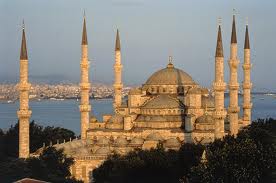
 

            But there is a new phenomenon that is especially associated with economic globalization and the main technological innovations of the past century that has given rise to such designations as ‘the digital age’ or ‘the networked society.’ This radical compression of space and time in the world creates a natural inclination to find, designate, and establish someplace as ‘the center of the world,’ as the ‘world capital.’ Of course, the claim and perception of being ‘the world capital’ is both a social and political construction that is connected with the realities of global leadership, sometimes reinforced by cultural preeminence, and normally narrated in an inherently subjective and self-centered interpretation of the flow of history, however the self is defined. In the end such a designation is bound to be controversial, and likely contested.


            Of course, from a mainstream realist international relations perspective we can think geopolitically of the world capital as a reflection of the prevailing distribution of hard power at a give time. Thus in the bipolar world of the Cold War it was Washington and Moscow. After the collapse of the Soviet Union it became Washington alone. Some are now insisting that a new bipolarity is or will shortly be upon us, and even anticipate a new cold war, designating Beijing to be a world capital more or less equivalent in status to Washington. And for those who believe, and hope, that a more polycentric world is emerging, and would be desirable, then perhaps, in addition to Washington and Beijing, one might add Delhi, Rio de Janeiro, Berlin, and even Jakarta, if the European Union moves forward, maybe Brussels, and possibly Cairo as well but only if Egypt is able to find stability and regain its former regional stature.
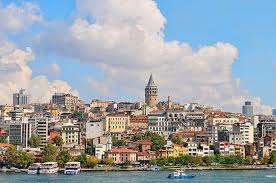
 

            Of course, all existing cities in the 21st century are contained within a particular state, and are subject to its authority, and share its destiny. In the past there have been some ‘international cities’ without any national affiliation, and there are today in our world several successful city-states, and many states smaller in population and area than the largest cities. Proposals have been made in recent decades to establish Jerusalem as an international city, not only because such a step would contribute to a sustainable and just peace between Israel and Palestine, but because of its sacred and historical belonging to all three of the Abrahamic religions.


Most globally ambitious cities in the modern world, then, have this dual identity, as situated within a territorial state and yet striving for a measure of internal autonomy. As a result, cities often develop a split national personality that combines loyalty and antagonism, the latter often fueled by the deep-seated tensions between cosmopolitan urban space and the more provincial hinterland, as well as by national politicians who shift resources from the city to the countryside in their quest for votes, or sometimes, to reduce gaps in standards of living. These tensions on occasion give rise to frivolous suggestions of secession for cities that seem at odds with the ethos of the country as seems to many to be the case for New York City. It is called by its fiercest critics ‘Sodom-and-Gomorrah-on-Hudson’ and by its most loving devotees as simply ‘The Big Apple.’ Some New Yorkers have daydreams of being a city-state, and many Midwesterners would be happy if the dream came true. It is much more common for secessionist movements to become serious political projects for territorial communities comprising a minority ethnicity or religion that claims a political and legal right of self-determination. Restive urban minorities may riot on occasion and vent their dissatisfaction, but their imaginary rarely includes a scenario of formal disaffiliation. Singapore is a rare exception to this pattern, split off from the British colony of Malaya at the moment of independence. More common is the experience of Hong Kong, being reabsorbed by its powerful Chinese neighbor.


            A focus on cities is one way of circumventing the tendency to view sovereign states as the only political actors worth theorizing about in international life. It is true that states have an identity based on governance over a defined space that is recognized in diplomatic circles, as well as enjoying the prerogative of granting or withholding citizenship. The primacy of states as international actors is reinforced by membership rules and procedures for international institutions, especially the United Nations, that confer special and often exclusive status on a political community that qualifies as a sovereign state. In contrast, the terminology of ‘global cities’ is assigned without any agreed criteria or conferred status, lacks diplomatic relevance from the perspective of international law, and the idea that there exists one or more ‘global capital’ is no where referenced on standard world maps and remains a completely constructed category of status, identity, and desire. No government would be foolish enough to proclaim its main city as the capital of the world, although the United States came close to doing so during the springtime grandiosity of George W. Bush’s presidency. Proponents of a certain leadership role for a given state may for a variety of reasons be tempted to put forward the claim of providing the world with a capital city. It would follow from the very real geopolitical ambition to be at the ‘center’ of global policy formation and implementation, to have control over a disproportionate share of the world’s resources, and to boast of offering visitors the most exciting cultural and touristic experiences.


            Part of the appeal of the global capital is precisely this separation of status from statehood, and more specifically from the calculus of hard power. Cities, unlike states, have police forces but no armies, although some cities have local guard or militia units, none in modern times possess or aspire to possess force capabilities to project hard power beyond city limits. Cities generally lack an arsenal of heavy weapons, do not have foreign policies, and enjoy only secondary diplomatic representation. Embassies are in capital cities however remote and small, while consulates are in cities no matter how large and influential. In Brazil, for instance, foreign ambassadors resent being posted to Brasilia, the planned and somewhat isolated and artificial capital city, and greatly prefer living in such stimulating urban environments as Sao Paulo or Rio de Janeiro. Cities are simply places where lots of people live, work, enjoy nightlife, have access to extensive financial services, and engage in a range of cultural and economic activities. What, then, motivates a city to be treated, even symbolically, as a political actor, and more grandly, to put forward the claim to be the potential or actual global capital?


Some assertions along these lines are deliberately extravagant or are merely intended to call attention to past glories, without any serious political intention to project power. The interior Chinese secondary city of Dengfeng, for instance, claims not only to be the center of the world but the center of heaven, as well, and indeed in past times it has served as the national capital for nine Chinese dynasties. Dengfeng’s self-assertion as a city whose provenance extends beyond China and beyond any given time period, is part of its charm, and lends traditional and spiritual significance to the very metaphorical idea of there being such a reality as the center of the world, much less heaven. Such an idea resembles in certain respects the geographical seats of the great world religions that do indeed possess a centrality for the more devout among the faithful as illustrated by the great pilgrimages to Rome to visit the Vatican or the haj as the obligatory journey taken by devout Muslims to their most holy site of worship.


            In my view, such a claim on behalf of cities should be understood as partly a site of struggle between two types of adherents. On one side, those who adhere to the old geopolitics that continues to believe, always somewhat misleadingly, but recently more grotesquely so, that history is principally made by those who prevail in warfare, and little else. Such a belief is usually coupled with the Weberian insistence that it is the sovereign state that establishes its identity by its possession over a monopoly of legitimate force. On the other side, are those who view history through a soft power rainbow optic in which culture, political vitality, religious identity, and ethics shapes and forms what unfolds, and eventually yields a cosmopolitan urban outcome despite being out gunned on the battlefield, or succumbs and endures the tragedy of alien domination. Cities, more than countries, can be analogized to magnets or force fields where people go to strike deals, to be entertained and well fed, to add pleasure, cultural enjoyment, and to enjoy greater privacy in their lives, to discuss their problems and receive guidance, chase dreams, and entertain hopes about the future, to be educated, to be inspired by art and artists, and of course, to be protected by municipal government against violent crime and natural disasters.


            There was a period not many years ago where there was a notable interest in cities as independent political actors on the global stage. There were many conferences organized around the theme ‘x city and the world.’ I attended a series of annual gatherings bearing the title ‘Yokohama and the World’ that brought together thinkers and civil society actors from many foreign countries and regions. These meetings were a pet project of the governor of the Japanese prefecture, and the discussions were vibrant and suggestive, blending wishful thinking, advocacy, and an assessment of trends. The underlying perspective was one in which it was presupposed that what was good for Japan was not necessarily good for Yokohama, that cities might have separate interests and different priorities from those of national political leaders, and that especially the national capital was subject to many distorting pressures divorced from service to the human interest or the wellbeing of Yokohama’s citizenry. The global city as distinct actor, complicated by its formal subjugation to the territorial order of sovereign states, suggests that people living in a particular city might not share the postulates of territorial nationalism, and were not nearly as inclined to include hard power in their political imaginary. The idea of a world order that was basically constituted by the principal cities of the world depicts an alternate pathway to peace, sustainability, justice, and world order that is at fundamental variance from the preoccupation of sovereign states with national security. In the Yokohama setting, for instance, there was a much greater willingness to engage positively with China than was then the case for the Japanese government located in Tokyo, reflecting a web of national and international considerations. Should we not favor a network of global cities as creating a non-territorial approach to global policy that might be much more attuned to global needs and desires, especially if cities could gain wealth and prestige while contributing to the further intermingling of civilizations and thereby laying the foundations for a more peaceful and sustainable human future.


            In the pre-modern world cities were much more prominent than in modern times when sovereignty, nationalism, citizenship, bounded territoriality, and statehood organized political life. Socrates felt that death was preferable to being exiled from Athens the city that he loved, and exile was often seen as the worst punishment that could be inflicted. Even Machiavelli centuries later, rarely celebrated for his tenderness, expressed a romantic attachment to his native Florence: “I love my city more than myself.” In the course of the transition to modernity there were many instances of resistance on the part of cities that did not want to get swallowed by these larger political communities established in every instance by conquest. Most of us remain unaware of the deep connections in the past between political violence and the constituting of larger ‘legitimate’ political communities. The relationship between state-building and war that is so fundamental to the securitization of world politics is, in other words, neither new nor without deep roots in the histories of every sovereign state and all major cities.


            But with the revival of city-states such as Singapore and Hong Kong, and the success of several micro states, we can observe a far weaker linkage between security and hard power, as well as the rebirth of the medieval idea of community viability. These political entities become secure by being useful to others, viable and vibrant for themselves, and generally enjoying ‘zero problems with neighbors,’ but not by being able to extend territory and control of resources by conquest. Although this portrayal must be expanded to admit that most modern states did originate with cities that did expand for the sake of food security and wealth or to provide their city with security against marauding neighbors or the vagaries of weather. Nevertheless, this experience of the past is suggestive of how it might be possible to transform the political imaginary of states with respect to their most fundamental reason for existence, inducing more dedication to the security of people (‘human security’) less to the security of governments (‘national security’).


            I believe that the idea of proposing a global capital is a defensible endeavor, even if seen only as laying the groundwork for the future, if we take into account the degree of integration that has been achieved by markets, by globally constituted battlefields, by changing geopolitical patterns, by struggles to generate global policy that is commensurate with such collective goods problems as climate change and nuclear weaponry, by global travel and globalization of political identity and the dispersion of families throughout the planet by migration and forced displacement.  Of course the choice of this city rather than that one is political, economic, ethical, and even aesthetic and hedonistic.


            My initial sense of which candidate cities offer the most plausible site of the global capital is rather pluralist. For instance, if our outlook is  geopolitically oriented according to the logic of hard power realists, then the argument for choosing Washington to play that role seems rather obvious despite its recent experiences of relative decline. Yet if the speculation is more normative, connected with human values, then we would probably pick New York, especially because aside from the being the headquarters of the United Nations, it is a most notable global city from the perspective of ethnic diversity, finance, and cosmopolitan culture, although its short lifespan, vulnerability to extreme weather events, and Westcentric orientation limits the quality of its candidacy given 21st century post-colonial realities. New York and Washington also suffer from the role of the United States as the gatekeeper for access, which in the post-9/11 world has made entry problematic for many of those invited to perform culturally or participatein political or academic conferences.


            London also could be considered, having the advantage of a long lineage, rich tradition, as well as finance and culture, and the birthplace of the English language. Until very recently a case could be made for Brussels as the hub city for the European Union, as well as NATO, and giving expression to the idea that the world we live in is mainly responsive to economic and military power (an inversion of the 9/11 attacks that targeted the World Trade Center and the Pentagon as the two pillars of the American world role). Brussels could also be championed as a precursor of a post-statist world order that is constituted by regional groupings, but its Western identity and association with the extensive European overseas empires and colonial crimes are fatal handicaps in our post-colonial world that bases notions of legitimacy more and more on de-Westernizing claims of civilizational identity.


            I find none of these candidate cities as sufficiently endowed with the combination of features that might justify christening its as the capital of the world. But I do have a promising candidate provided it can overcome some present obstacles: Istanbul. This may seem surprising, because although achieving a much higher profile in the last decade, Turkey as a state is not viewed as belonging to the top tier of countries in the world, including among emerging states, its currency is not much valued beyond its borders, and its language spoken only in its own country, among a few nearby Turcoman minorities, and some central Asian countries that gained independence a couple of decades ago when the Soviet Union fell apart. As well, Turkey has some severely troublesome domestic problems for which no near-term solution seems forthcoming, especially its inability to accommodate the grievances of 12-15 million Kurdish minority, important international unresolved issues such as its relationship to the Armenian diaspora, its various tensions with Israel, Greece, Cyprus, Syria, and Iran, and its dysfunctional, yet abiding and severe, internal polarization between those who governed during the Republican Era, and those who have run the country since 2002.


            There are more serious issues as well that make Istanbul’s candidacy problematic in many quarters precisely because it is such an integral part of the Turkish state. The central question is raised: ‘Should the sins of the state be visited upon the city?’ It is not an easy question. And what of the sins of the city? Istanbul has had a spectacular building boom in recent years, with shopping malls and upper income restaurants and hotels, and an overall atmosphere that may not be conducive to a fulfilled life for the majority of inhabitants that must struggle with the ordeals of living and working in a city of rising living costs, unhealthy air, and limited resources for human satisfaction unless one is the recipient of a large salary.


            How then can Istanbul be seriously considered in our search for a global capital? I would point to several factors. Increasingly, Istanbul is a city of choice for those international travelers in search of touristic fulfillment, and it rarely disappoints visitors despite its awesome traffic that clogs streets well past midnight and its polluted air. It has also become a secure and acceptable place to hold the most delicate diplomatic discussions, whether involving such regional issues as Syria and Iran, or wider concerns about Afghanistan and Africa. Istanbul has without fanfare also taken steps to emphasize its rising importance: with Spain it jointly administers the UN project on ‘Alliance of Civilizations’; it held recently a very high profile inaugural session of the World Economic Forum; and it also has become a favorite non-European meeting ground for a variety of UN sponsored events.

            Istanbul is convenient to reach for global gatherings, Turkey is a permissive gatekeeper with respect to visitor access automatically issuing visas for a small charge, and Turkish Airlines was recently selected as the best in Europe. Important, also, is the fact that Turkey is not Europe psychologically, even if a small part of its territory is treated as being in Europe. Turkey’s Asian identity is not just a geographic description, but is far more a cultural and religious imprimatur. It has been given greater recent authority by the European Union’s rejectionist response to the Turkish application for membership. Many comment that Turkey has been fortunate to remain outside the EU during the current Euro-crisis, but more than this, if Turkey had become a member it would no long be perceived as favorably by many non-Western constituencies. Turkey also has gained economic and political credibility at a time when so many important states have either been treading water so as to remain afloat. It has also pioneered in achieving a stable interface between secular principles and religious freedom, moving away from the ‘over-secularization’, to borrow the designation from Ibrahim Kalin. This rigid version of being secular dominated the Turkish political scene during the long period of Kemalist ascendancy that ended in 2002 with the control of the Turkish government shifting to the AKP as a result of electoral victories. It is necessary to account of such factors as Istanbul can not be separated from its embeddedness in the Turkish reality.


            But is not such acclaim for Turkey irrelevant to the advancement of Istanbul as global capital? One of the distinguishing features of the Erdogan leadership has been to shift the attention of the country and the world to Istanbul, just as Ataturk had strongly believed that a truly modern Turkey would need to repudiate its Ottoman past and so deliberately moved the capital city to Ankara as part of a fresh break with history for the young republic. For the AKP the re-glorification of Istanbul is a way of reviving pride and the traditions associated with the pre-republican era. This is not a crude form of neo-Ottomanism, but a realization that Istanbul was a treasure trove of cultural and religious eminence unmatched elsewhere, and a subtle reminder, through its extraordinary mosque architecture, of its former stature as the home of the Islamic Caliphate. As well, Turkey geopolitically and geographically provides a unique set of linkages between Europe and Asia, Europe and the Middle East, Europe and Africa, and offers the world a more cosmopolitan understanding of the Mediterranean world. I would also mention the degree to which Turkey’s most celebrated author, the Nobel laureate Orhan Pamuk, has been inspired by the imaginative excesses of Istanbul as a city. Pamuk is sometimes referred to as ‘the biographer of Istanbul’ because his great The Black Book and his memoir of growing up in the city so brilliantly capture the magic and mysteries of Istanbul, which has attracted millions of hearts and minds around the world, endowing the city with an almost mystical identity for many of us. Tell me a city other than Istanbul that has exerted such an influence on our collective imaginations? Some might answer feebly ‘Venice,’ recalling Thomas Mann’s great story ‘Death in Venice’ as well as the haunting novel, The Comfort of Strangers, set in Venice by Ian McEwan, but the charisma of Venice is as a place of menace and degeneracy, although its exotic beauty is unquestionably one of the urban wonders of the world.


            What enhances Istanbul’s candidacy, in my judgment, is the degree to which this Turkish worldview has been recently articulated in a clear manner. More than any other current political leaders, those who have spoken for Turkey during the last several years have understood and expressed the need to bring a change about the way in which security and power have been achieved in modern international relations, while at the same time not losing an appreciation of the resilience of the old ways, however anachronistic, during this agonizing period of global transition. This innovative renewal of Turkish influence has been rooted, to an unparalleled extent, in soft power geopolitics stressing the mutual benefits of peace, trade, cultural achievement, ciilizational pride, and dialogue.


            True, Turkey’s preferred orientation has recently been significantly readjusted to take account of a series of unexpected developments arising from the aftermath of the Arab upheavals, especially in neighboring Syria.  Despite Turkish foreign policy being confronted by hard power challenges within its borders and region, Ankara’s underlying commitment to a new paradigm of world order has not been abandoned. The Kurdish challenge, the Syrian internal struggle, tensions with Iran have led to a dramatic modification of the earlier flagship promise of ‘zero problems with neighbors,’ but even this seemingly unrealistic goal, if sensitively and contextually considered, retains its essential wisdom, which combines principle associated with maximizing peaceful relations with states and their peoples and promoting mutually beneficial interests. As Foreign Minister Davutoglu has repeatedly stressed, when a neighboring government commits atrocities against its own people, then Turkey sides with the people, not the government that has discredited itself. When the zero problems approach was first proclaimed, it might have prevented future confusion, if this qualification had been made explicit.


AKP detractors, whether Kemalists within or Israelis without, have done their best to discredit the Turkish approach to foreign policy. Undoubtedly the new challenge is complex and difficult: How to strike a new balance amid the turmoil of the region that has so far made fools of us all! Yet I am convinced that Turkey continues to do its best to increase the prospects for soft power geopolitics while undertaking the necessary prudent steps to avoid dangerous vulnerability to those political forces that continue to rely on hard power solutions for conflict, including the perpetration of mass violence against their own people.


            Considering Istanbul as a possible future capital of the world can be interpreted as a side-effect of the advocacy of soft power geopolitics. It also responds to the receptivity of Turkey as a state willing to provide the peoples of the world with a safe haven for dialogue, negotiation, empathy, and the satisfactions of a post-Western world civilization. We are also recognizing the geographical and geopolitical location of Istanbul as a crossroads connecting several civilizations and religious traditions. Such a proposal can be dismissed as a wild exaggeration of the Turkish role in the world or as a perverse instance of wishful thinking, but it is put forward partly in response to an interpretation of integrative trends in our globalizing world, and also as an expression of the kind of flourishing future that will most likely be of most benefit the peoples of the world.


Toward a New Geopolitics?

15 Aug


             During the Cold War the main geopolitical optic relied upon by policymakers and diplomats was associated with a bipolar structure of hard power. There were supposedly two superpowers with overwhelming military capabilities compared to all other sovereign states, and each controlled an alliance of subordinate states that staked their survival on global crisis management and territorial containment skills of either the United States or the Soviet Union. This framework was an extreme version of the balance of power system that had sustained global order in the West with mixed results during prior centuries. The Cold War nuclear version of the balance of power was frighteningly vulnerable to accident or miscalculation creating a lingering illusion that the current possession of nuclear weaponry on the part of nine sovereign states is a tolerable and stable situation in global affairs.. This statist framework, evolving from the Peace of Westphalia in 1648, was partly based on the juridical idea of the equality of sovereign states while being fully responsive to the geopolitical facts of life that placed stress on the gross inequality of states. This dimension of inequality produced an historical succession of hierarchies in the relations among sovereign states,  quite often taking the form of regional and globe-girdling empires.


            The UN from its outset was a constitutional reflection of the Old Geopolitics, with the General Assembly organized according to the logic of sovereign equality while the Security Council incorporated inequality via the veto power conferred upon its five permanent members, who incidentally achieved this status because they were regarded as the main winners in World War II. These state soon justified their status by passing the new litmus test of hard power—that is, becoming the first five countries to acquire and stockpile nuclear weapons. The Old Geopolitics was built around the institutions pratices of warfare: victory on the battlefield, superior weaponry and military capabilities relative to others, levels of industrialization as a prime indicator of war fighting potential.


            After the fall of the Berlin Wall in 1989 and the collapse of the Soviet Union a few years later, the bipolar construction of world order no longer provided a summary description of world order in hard power currency. Still, the idea and behavioral patterns of the Old Geopolitics persisted, but the new structure of power was redescribed by security specialists as ‘unipolar’ with the organizing authority in the world now concentrated in the government of ‘the sole surviving superpower,’ which Michael Mandelbaum, a respected international relations scholar, glorified as a virtual and benevolent ‘world government.’  It was a romanticized way of acknowledging that America’s hard power dominance of global scope and its projection of hard power to the far corners of the planet, on and under the oceans, and into space, was truly the first world state of global proportions, but it was not a Westphalian state as its boundaries were geopolitically delimited rather than fixed territorially.


            When Iraq invaded and annexed Kuwait in 1990, a collective response successfully was organized by the United States at the UN, and its character reflected the operating procedures of this post-Cold War situation of unipolarity. At the time this undertaking was rendered feasible by what the American president at the time inappropriately called the ‘New World Order.’ What George H.W. Bush clearly meant by the phrase was the capacity of the UN to act collectively in peace and security situations in accordance with Washington’s wishes, and was no longer gridlocked by the Cold War standoff. But this was not a genuine shift in the direction of collective security, the global rule of law, and an empowered United Nations. It became very clear as the response to the Iraqi aggression unfolded that it was nothing more dramatic than an enactment of a new phase of the Old Geopolitics, that is, interpreting world order priorities and security policy almost exclusively as an expression of the current distribution of hard power capabilities among states. In the 1990s the Old Geopolitics was dominated by the United States, and operationally administered from Washington, continued despite the collapse of colonialism to be West-centric when it comes to the shaping of global security policy. In effect, the Old Geopolitics did not immediately register the momentous historical consequences for world order of the collapse of the colonial order that irreversibly weakened the relative position of the West.


THE EMERGENT NEW GEOPOLITICS


            A number of developments on the global stage are suggesting that a New Geopolitics is indeed struggling to be born, although unable at this stage to challenge seriously the reign of the Old Geopolitics. The New Geopolitics is premised on the primacy of soft power criteria of influence and status, and is more universalistic and less statist in the composition of actors providing global leadership and influencing policy. The prominence accorded to the BRIC countries of Brazil, Russia, India, and China is one expression of a shift in the understanding of a more multi-polar structure of world order. The claims of these states to such an acknowledgement of first tier influence is not based on their military capabilites or the potency of their alliance affiliations, but is primarily associated with their economic rise that consists of their astonishing recent record of growing achievements in GNP, trade, investment, and financial settings. Such a trend is also being institutionally recognized in relation to economic globalization and a network of the industrialized leading states, with notable shifts from a Cold War Group of Seven, to an enlarged Group of Eight to accommodate Russia, and finally to the present Group of Twenty to incorporate into the dynamics of global economic policy formation a more globally representative group of states.  


            Parallel to this evolution in relations among states has been efforts by private sector actors and civil society representatives to establish their own institutional arenas so as to put forward alternative policy agendas, promote interests and values, and indirectly erode the Westphalian notion that states, and only states, can be fully participating members of world order. The Davos World Economic Forum is one influential expression of a private sector initiative to shape global economic policy in a manner responsive to corporate and banking wish lists. In contrast the World Social Forum, held annually in a city somewhere in the global South, asserts people-oriented visions of a post-Westphalian world order and mounts sharp critiques of capital-oriented globalization.  


            A striking example of New Geopolitics was the ad hoc realignment that took center stage in the closing days of the 2009 Copenhagen UN Conference on Climate Change. It was there that the United States sought to circumvent unwieldy and uncongenial procedures involving 193 states by selecting the participants in a hegemonic coalition that consisted of itself, China, India, Brazil, and South Africa. It mission was to put before the conference a proposed consensual agreement to deal with the challenge of global warming. There was widespread resistance to this approach at Copenhagen, especially from the states that felt excluded by this maneuver and resented the clumsy effort to circumvent the agreed procedures that had been relied upon to prepare the negotiating documents for the Copenhagen conference. This statist backlash was centered in that part of the Old Geopolitics associated with the idea of the equality of states as the basis of legitimate multilateral lawmaking in the 21st century.


            In effect, this wider community of states, essentially the membership of the UN General Assembly, were unwilling to give their assent to such a geopolitical coalition formed without their authorization and behind their back, despite the fact that for once it was not West-centric. Partly of the objection was to a perception of shifty backroom politics that demeaned the hard work of a UN inclusive statist effort to find global common ground on climate change, and partly it was an unwillingness to go along with the proposed shift in climate change policy from the mandatory emission reductions associated with the Kyoto Protocol to the proposed voluntary system of governmental pledges that was contained in the Copenhagen Accord presented to the Copenhagen Conference by the American president. At the same time, the hierarchical side of the Old Geopolitics was strong enough to avoid a direct repudiation of the Copenhagen Accord, which was presented to the assembled delegates at the last minute as a matter of ‘this or nothing.’ Clearly, these governmental representatives preferred to go home with the Accord, however annoyed they were by its process and content, than to return to their capitals empty handed.


            There is much graffiti on the walls of the Old Geopolitics, and it signals a gradual and partial loss of historical control. The successful challenge of the colonial order by various movements of liberation throughout Asia and Africa strongly established a trend in conflict resolution in which the West, although the militarily superior side, was being compelled in the end to accept political defeat. This amounted to a radical reversal of the experience of conflict during the colonial era in which hard power realities shaped, usually with minimal effort, the outcomes of political conflict to the advantage of Europe. This enhancement of soft power stature was reinforced up to the present moment by a series of failed wars undertaken by the United States in particular. From the outcome of the Vietnam War in the mid-1970s to the recent winless withdrawals of the United States from Iraq and Afghanistan it is evident that hard power superiority, even total military dominance, is no longer able to reach desired political outcomes in violent conflicts at acceptable costs. In other words, relying on the staple currency of the Old Geopolitics, military power, seems recently to bring frustration and defeat, not victory as of old. These outcomes discredit and infuriate the geopolitical leaders, but rather than adapt to changed circumstances, these governments struggle to find new battlefield tactics and weaponry to satisfy their traditions strategic ambitions and somehow demonstrate anew that military superiority (rather than law or justice) serves the world as the arbiter of international conflicts. The aged architects of the Old Geopolitics for a variety of reasons are unable to learn from failure, and so the cycle of war and frustration goes on and on with disastrous human results.


            Reinforcing these developments, and their interpretation, was the earlier impact of nuclear war on the conduct of international relations. Nuclear weaponry, the Omega point in the Old Geopolitics, actually had the paradoxical effect of excluding hard power solutions from political struggles between principal geopolitical rivals, radically modifying the emphasis of grand strategy in the direction of war prevention and deterrence so as to avoid the mutual disaster of nuclear warfare. Even in military conflicts waged in non-Western settings on the geographic periphery of the Old Geopolitics, which constituted the proxy wars between East and West during the Cold War, there was a restraining fear. There were worries that such conflicts as the Korean War and Vietnam War might unintentionally escalate if it was allowed to approach the nuclear threshold. Such concerns interfered with entrenched belligerent habits of the Old Geopolitics that had long been preoccupied with winning wars rather than settling for stalemates and ceasefires. 


            As a telling sign of the emergence of the New Geopolitcs as now defining contemporary strategic goals, Brazil is far more interested in acquiring a permanent seat in the Security Council than becoming a member of the nuclear weapons club. Such a shift in great power aspirations has long characterized the global ambitions of the main losers in World War II. Germany and Japan were enabled by their defeat and destruction to learn the lessons of a transformed world setting far better than did the winners. Perhaps it was enforced learning as their post-war policy options were restricted by coercive occupations that installed governments that would not revive their past militarist behavior. At present such rising political actors as Turkey and Indonesia, seem more concerned with gaining recognition by winning diplomatic battles to land prestigious posts in the United Nations System than they do in acquiring the latest weapons systems or embarking on expansionist military adventures. Turkey, in particular, has gained greatly enhanced stature by pioneering what might be called ‘compassionate geopolitics,’ by engaging with Somalia at a time when it was discarded as ‘a failed state’ by the United States. Turkey has stepped in to a chaotic internal situation, and embarking on a major joint state-building venture that seems to have made unexpected and significant gains to date. Turkey has also come in difficult circumstances to the economic and diplomatic rescue of the abused Muslim Arakan minority in distant Myanmar.


SOFT POWER AND THE NEW GEOPOLITICS


            Two crucial tendencies are evident: soft power achieves the most important gains for a society seeking to accelerate its development and raise its status on the global stage of diplomacy; hard power is increasingly frustrated when tested by determined nationalist forces, even those with seemingly modest military capabilities. These factors are given greater historical weight by several other considerations. The greater complexity associated with globalization has created new political spaces that are being filled in various ways by both civil society representatives and private sector actors.  Such patterns of participation exert strong pressure to move the New Geopolitics toward more peaceful and less war oriented standard operating procedures. The civil society vision of the New Geopolitics inclines strongly in the transformative direction of Global Democracy, making all institutions of governance subject to the imperatives of transparency, accountability, stakeholder participation, rule of law, and attention to the human interest/global justice/climate change diplomacy. A first institutional step toward Global Democracy could involve the establishment of a Global Parliament that would directly represent people, not governments.


            In effect, we have two models of the New Geopolitics:


                        –Minimal Model envisions the persistence of a state-centric world order that is deWesternized and more inclusive, determining status by  a greater reliance on soft power criteria of status and influence, trending toward nonviolent geopolitics, but at the same time continuing to be dominated by a few state actors and remains responsive to the prescriptions and values of neoliberal globalization;

                        –Maximal Model is dedicated to institutions and practices that rely upon nonviolent geopolitics, establishing by stages Global Democracy, while reorienting Economic Globalization in relation to sustainable development by putting people and earth first, and giving an equitable priority to those most vulnerable and deprived when it comes to the allocation of public resources.


            At this point, global politics is in a transitional phase. The Old Geopolitics has certainly not disappeared as is evident from the war dangers that remain in the world’s main conflict zones, but it is also rarely capable of translating its preferences into desired outcomes. At some point, hopefully short of global catastrophe, strategic failure in warfare will produce a turn, even in Washington, toward the New Geopolitics. In the interim the prospects are not encouraging, including perhaps the menacing last hurrah of global militarism, its practices and technological innovations that are rapidly turning the world into a borderless and terrorized war zone. The Old Geopolitics fashioned a dysfunctional set of responses to the 9/11 attacks on the United States. These devastating attacks posed a problem that could not be effectively addressed in the customary manner of the Old Geopolitics, that is, by a reliance on hard power–waging wars against distant countries as if the adversary was a series of territorial sovereign states rather than a non-territorial network of political extremists.  In this regard, the threats posed by such anti-system forces of resistance can only be successfully neutralized if a primary reliance is placed upon soft power methods of response. These methods must include the identification of legitimate grievances that induced recourse to such desperate violent political behavior in the first place. To harden territorial boundaries to protect the homeland against hostile encroachment while engaging in a series of failing and bankrupting wars around the world is an almost certain recipe for authoritarian rule at home and intensifying intensifying insecurity elsewhere.


THE OLD GEOPOLITICS PERSISTS


            In this regard, we live at a perilous historical moment. The Old Geopolitics is relying on hard power regardless of cost or risk, and unable and unwilling to heed experience, while the New Geopolitics is struggling with the torments of infancy and growing pains. The minimal model of the New Geopolitics is itself not yet sufficiently clear about how to reconcile national interests with human interests, and so does little to arrest the drift toward ecological catastrophe, systemic shock by systemic shock. The maximal model of the New Geopolitics has not established deep enough political roots to set forth, much less enact, its agenda of Global Democracy, and thus cannot challenge the Old Geopolitics or shape the New Geopolitics. At this point, we need to encourage the utopian imagination, and begin the hard work of initiating the hard political project of transition to the New Geopolitics.


            The aftermath of the Arab Spring illustrates this clash between the old and the new. The rise of the people in country after country in the region reflected an attachment to the ideals and practices of substantive democracy. The unexpected regionalization of this challenge gave a glimpse of a new transformative politics, including distrust of military and police methods of sustaining public order and opposition to Western manipulations to control from without and within. The bloodthirsty backlash of regimes, as in Syria, Libya, Yemen, Bahrain, and to some extent, Egypt, manifested the resilience and cruel harshness of hard power tactics of governance, and their purpose of ensuring the counter-revolutionary restoration of the Old Geopolitics.


            Whether the Libyan intervention should be seen primarily as a Western reversion to Old Geopolitics or some kind of amalgam of Old and New, with the Gulf countries and the UN enlisted as partners in liberating a people from cruel tyranny, will remain a matter of controversy and uncertainty for years to come. Similarly, with Syria, whether to consider the external moves for and against the Assad regime in Damascus as expressions of the New Geopolitics or some toxic blend of new and old is difficult to discern given the complexities and unknowns of this ongoing bloody struggle that is a blend of a cynical proxy war and bitter internal struggle for state power. Popular support for the idea of protecting a vulnerable people against the crimes against humanity of a vicious governmental regime can be understood from the perspective of human solidarity, an aspect of the maximal model of the New Geopolitics. In contrast, military intervention by external actors with a variety of suspect strategic motives and the use of interventionary weaponry that is likely to magnify the violence, is clearly in the spirit of the Old Geopolitics.


            There are no signs at present that the New Geopolitics in either of its main variants will soon replace the Old Geopolitics, but there is plenty of evidence of a sharpening tension between these two main modes of sustaining security and development in the early 21st century. We can expect a gradual discrediting from within of the main centers of Old Geopolitics, but as such a process gains leverage, it is almost certain to produce the opposite effect—a tightening of control at home, and an intensification of military operations abroad, exactly the pattern being enacted in the United States by successive presidents from both main political parties in response to the 9/11 attacks. And within the domain of the New Geopolitics it is likely that there will be a parallel intensification of tension as the minimalists seek realignment without attending to social and economic inequities, while the maximalists insist on the long march to Global Democracy but lack sufficient transnational mobilizing traction to move their endeavor very far.


            The Chinese proverb is correct in its chilling reminder that ‘it is a curse to live in interesting times,’ but given the changing historical experiences with warfare, the growing sense of great ecological hazard, and the strengthening attachment to global justice agendas, maybe just this once, the fascinations of our age will turn out to be ‘a blessing.’

Toward a Gandhian Geopolitics: A Feasible Utopia?

25 Jul


            There has been serious confusion associated with the widespread embrace of ‘soft power’ as a preferred form of diplomacy for the 21st century. Joseph Nye introduced and popularized the concept, and later it was adopted and applied in a myriad of settings that are often contradictory from the perspective of international law and morality. I write in the belief that soft power as a force multiplier for imperial geopolitics is to be viewed with the greatest suspicion, but as an alternative to militarism and violence is to be valued and adopted as a potential political project that could turn out to be the first feasible utopia of the 21st century.


            Significantly, Nye first introduced the concept of soft power in Bound to Lead, published in 1990, reaffirming confidence in the United States as the self-anointed leader of the world for the foreseeable future based on its military and economic prowess, as well as due to its claimed status as an exemplary democracy and the global outreach of its popular culture from jeans to Michael Jackson . Nye has been a consistent advocate of what Michael Ignatieff christened as ‘empire lite’ a decade or so ago, and Nye’s invocation of soft power is essentially calling our attention to a cluster of instruments useful in projecting American influence throughout the world, and in his view under utilized. Although less so, perhaps, since the advent of drones. It should be appreciated that Nye’s influential career as a prominent Harvard specialist in international relations was climaxed in the 1990s by serving the government in Washington both as Chair of the National Intelligence Council, making policy recommendations on foreign policy issues to the American president, and as Assistant Secretary of Defense for International Security Affairs during the Clinton presidency. He is an unabashed charter member of and valuable apologist for the American foreign policy establishment in its current embodiment, although the policies of the Bush presidency often displeased him.


            The idea of soft power was unveiled for the benefit of the American establishment in Nye’s 1996 Foreign Affairs article, “America’s Information Edge,” appropriately written in collaboration with Admiral William Owens, a leading navy planner who rose to be Vice Chairman of the Joint Chiefs of Staff.  The main argument of the article was the need to realize the revolutionary relevance of mastering the technologies of information if the American global domination project was to be successful in the years ahead. This emphasis on the role of information and networking was also certain to lead to a  ‘revolution in military technology.’ Soft power was not, as the words seem to suggest, a turn away from imperial geopolitics in the aftermath of the Cold War, but rather the opposite. It was more in the spirit of a geopolitical cookbook on how to remain in control globally despite a rapidly changing political and technological environment. The recommended soft power breakthrough can be summarized as the recognition of the role to be played by non-military forms of global influence and capabilities in reinforcing and complementing the mandate of hard power.


            The final section of the Nye/Owens article is aptly title “The Coming American Century,” insisting that the famous claim made a generation earlier by Time publisher, Henry Luce, that the 20th century was ‘the American century,’ would turn out to be a gross understatement when it came to describing the 21st century. Their expectation is that America will be more dominant internationally in the emerging future, thanks mainly to this superiority in information technology, anticipating that if their views are adopted by robust military applications of soft power it will have a huge foreign policy payoff for the country: “The beauty of information as a power resource is that, while it can enhance the effectiveness of raw military power, it ineluctably democratizes societies.” This unabashed avowal of imperial goals is actually the main thesis of the article, perhaps most graphically expressed in the following words—“The United States can increase the effectiveness of its military forces and make the world safe for soft power, America’s inherent comparative advantage.” As the glove fits the hand, soft power complements hard power within the wider enterprise of transforming the world in America’s image, as well as embodying the ideal version of America’s sense of self.


            Nye/Owens acknowledge a major caveat rather parenthetically by admitting that their strategy will not work if America continues much longer to be perceived unfavorably abroad as a national abode of drugs, crime, violence, fiscal irresponsibility, family breakdown, political gridlock.  They make a rather empty and apolitical plea to restore “a healthy democracy” at home as a prelude to the heavy lifting of democratizing the world, but they do not pretend medical knowledge of how national health might be restored,  offering no prescriptions. And now sixteen years after their article appeared, it would seem that the Burmese adage applies: “disease unknown, cure unknown.”


            There is much that I would object to about this line of advocacy that waves the banner of soft power so triumphantly. First of all, the idea of using power of any kind to democratize other sovereign states is an imperial undertaking at its core, and completely disregards the post-colonial ethos of self-determination widely affirmed as the inalienable right of all peoples.  This right of self-determination is given pride of place in common Article 1 of the two major international human rights covenants. The Nye/Owens assumption that ‘democracy’ means ‘made in the USA’ is an ideological claim that seems increasingly questionable given the reality of political life in America.  This is the case even if the country somehow miraculously heeds the Nye/Owens call to restore national health to its democracy. Is it open to doubt as to whether an elective plutocracy, which America has surely become, can qualify as the sort of democracy that merits being exported abroad. And since the 9/11 attacks the corporatizing of democratic space has been complemented by a series of governmental encroachments on traditional liberties in the name of ‘homeland security.’ While it might have seemed unproblematic in 1996 for Nye/Owens to write about planting the seeds of American democracy throughout the world, by 2012 such a project has become nothing less than diabolical. The best the world can hope for at this point is not a somewhat less aggressive version of soft power geopolitics but an American turn toward passivity, what used to be called ‘isolationism,’ and was perhaps briefly abortively reborn by the Obama posture during the 2011 Libyan intervention of ‘leading from behind,’ as if that is leading at all. Of course, such a realistic retreat begets the fury of the Republicans who seem to have not lost any of their appetite for the red meat of military adventures despite a string of defeats and their constant wailing about the fiscal deficit. When it comes to militarism their firepower is directed at the alleged defeatism and softness of American foreign policy in the hands of a Democratic president.


            There is a second sense of soft power that I advocate, which is in its most maximal form, represents the extension of Gandhian principles to the practice of diplomacy. A weaker form of Gandhian geopolitics may seem more consistent with the world as it is, restricting the role of hard power to self-defense as strictly limited in the UN Charter and to UN humanitarian interventions in exceptional circumstances of genocidal behavior or the repeated commission of crimes against humanity. In such instances uses of hard power would remain under the operational control of the UN Security Council, and enacted by a UN Peace Force especially trained in conflict resolution to minimize recourse to violence.


            If we decide to respect the politics of self-determination (as the preferred alternative to military intervention) then we need to be prepared to accept the prospect of some tragic struggles for control of national space. Geopolitical passivity, as validated by international law, needs to be recognized as an essential political virtue in this century. Such an imperative also mandates reliance on the greater wisdom of collective procedures subject to constitutional constraints as a necessary adjustment to the realities of a globalizing world, and offers an alternative to unilateralist and oligarchic claims (‘coalitions of the willing’) to act in defiance of law and world public opinion.  Such an empowerment of ‘the global community’ may go awry on some occasions but it seems a far preferable risk than continuing to entrust world peace and security to the untender mercies of global and regional hegemonic sovereign states even should their domestic democratic credentials are in good order, which happens not to be the case.


            There is no doubt that I would like to live in a borderless soft power world that was consistently attentive to human suffering, protective of the global commons, and subject to the discipline of global constitutional democracy. As global conditions now confirm, such a benign fantasy lacks political traction at present, and is thus an irresponsible worldview from the perspective of humane problem solving. The most we can currently hope for is a more moderate regime of global governance presided over by sovereign states that exhibits a greater sense of responsibility toward the wellbeing of the peoples of the world, identifies and works to correct dysfunction and corruption, and is thus less swayed by the reigning plutocracy that now sets global policy. Such moderate global governance, while far from the desired Gandhian model would at least become more respectful of international law and responsive to transnational movements dedicated to human rights and the preservation of the global commons. Nye’s soft power geopolitics provides a roadmap for those comfortable with currents hierarchies of dominance and privilege, while even the minimal version of a nonviolent and non-imperial alternative could help humanity greatly in the deepening struggle to find a world order path that leads to peace, justice, and development. 

A Stronger ‘Political Europe’ might save a Stumbling ‘Economic Europe’

11 Jun


            It was only a few years ago that Europe was being praised as the savior of world order, and heralded as the hope for the future of world order. Books with such titles as The European Superpower and Why Europe Will Run the 21st Century were widely read. They celebrated the realities of a European post-colonial recovery, even a new type of ascendancy, results that were welcomed by many who hoped for a more peaceful and equitable world. I shared much of this enthusiasm, believing that the European Union was a bold and generally progressive experiment in regionalism that was better suited to our era of intensifying globalization than a state-centric world of sovereign territorial communities habituated to the dynamics of warfare. This statist world order had been evolving through the centuries, but always with the premise that the sovereign state was not subject to external authorities and law if its fundamental security interests were at stake. The origins of this state system are conveniently associated with the Peace of Westphalia in 1648 that brought to an end the bloody Thirty Years War, a struggle between Catholics and Protestants to determine primacy within Christendom. 


            A world of regions provided a structural vision that seemed an attractive sequel to a world of sovereign states. It seemed more attainable than a quixotic leap in the direction of world government, which neither political nor business leaders took seriously. Populist forces were also suspicious of any advocacy of world government, generally fearing it was intended as or would turn out to be a scheme for Western dominance. From these perspectives the EU seemed to be the most interesting world order game in town!  It was an exciting experiment in world order that had grown through the years far beyond its early modest post-1945 beginnings as an instrument for limited economic cooperation on matters of coal and steel among a small number of European countries. By stages the EU had become the most impressive supranational presence in modern times, seemingly a far more significant alternative to state-centricism than the UN or even the international financial institutions (World Bank, IMF, WTO).


            European regionalism was mainly applauded in mainstream circles because of its achievements associated with economic integration that produced benefits in trade and investment, as well as overall economic growth. EU was not only a clever adjustment to European participation in a globalizing world economy that featured the expanding role of such major actors as the United States, Japan, and China, it also seemed to facilitate a positive European future . Perhaps, most notably, Europe had become a culture of peace, not a small accomplishment on a continent long ravaged by devastating wars, particularly in the 20th century. In a stimulating book, Where Have All the Soldiers Gone, its author James Sheehan informs us that “[t]he eclipse of the willingness and ability to use violence that was once so central to statehood has created a new kind of European state, firmly rooted in new forms of public and private identity.” (p. 221) Most especially, this new European outlook, while certainly not pacifist, was generally seemed disinclined to endorse global militarism.


            Such a shift in Europe was not without ambiguities. Europe’s habits of obedience to Washington acquired during the long Cold War often led European governments to give priority to their alliance relations with the United States rather than give expression to this altered political consciousness. Some skeptics suggested that Europe had not really adopted a culture of peace, but rather found it expedient to concentrate their collective energies on meeting the perceived threat posed by the Soviet Union. NATO waged war in 1999 to end the oppressive Serb occupation of Kosovo in a situation in which there did exist credible dangers of ethnic cleansing and the encouragement of an Albanian majority population that welcomed the intervention. Although European governments were split on backing the Iraq War in 2003, the public opinion in every European country was strongly opposed to the war. NATO had been a defensive regional alliance generated by concerns about Soviet expansionist ambitions and anchored in the military capabilities of the United States that seemed dedicated to the defense of Europe even if meant enduring the onslaught of a third world war.


            Above all, the EU evolution confirmed the view that intra-European relations were now insulated from war, that open borders did not pose security threats, and that a common European foreign policy was likely to be achieved in the near future. To some extent, the EU reinforced this positive image by taking the lead in efforts to shape a responsible global policy on climate change.

Their efforts were so successful that the United States at the 2009 Copenhagen UN Conference on Climate Change tried to build a new coalition of pro-growth economies with the intention of marginalizing the European insistence on cutting back drastically on greenhouse gas emissions.


            Europe veered in a wrong direction after the 9/11 attacks when it allowed NATO to express solidarity with the United States decision to respond by way of launching a global war on terror that persists. This implicated Europe in the dubious approach by the neoconservatives in Washington to pursue a worldwide grand strategy aimed at global domination. It completely transformed NATO into an instrument of post-colonial Western interventionary diplomacy, having nothing to do with the defense of Europe, and engaged in warfare in such non-European battlefields as Afghanistan and Libya. The claims to achieve a culture of peace were deeply compromised by this participation in these non-defensive wars, and as a result the idea of an emergent progressive European alternative to state-centricism has almost vanished from the imaginary of a preferred future for humanity.


            But more than peace, Europe also showcased the realities of a humane form of capitalism in which the mass of society could enjoy a secure and satisfying life, a welfare state in which high quality education and health care was provided, human rights upheld and implemented by a regional judicial process that had the mandate to override national policy, and an economic space that combined robust growth with the free flow of capital, goods, and labor. This 21st century social contract between the state and its citizenry that emerged in Europe seemed to provide a model for others to follow, or at least to be challenged by. Other nearby countries seemed eager to join the EU to benefit economically and politically from such an association of states in which the whole seemed definitely to exceed the value of the parts, and extremist politics of either left or right seemed precluded.


            Disappointment with developments pertaining to Europe can be expressed schematically. The preoccupation with economic Europe produced an accommodation with populist insistence on a decent life to produce advances in ‘social Europe’ and this produced a climate of opinion that allowed the radical step of monetary integration. This process proceeded but without corresponding political integration needed to establish a strong European identity. Political Europe, while enjoying some governmental presence in the form of the European Court of Justice, European Court of Human Rights, and the European Parliament, never generated a sense of Europeanness that extended beyond market ambitions, and perhaps the aggrandizing moves that prompted the enlargement of the EU to encompass the countries formerly part of the Soviet Bloc. As the great French Europeanist, Jacques Delors, well understood, without congruence between economic and political integration, the onset of a crisis affecting money and markets will revive fierce nationalist sentiments and accompanying blame games. Instead of a bold experiment in regional identity politics, we seem faced once again with Europe as a collection of separate sovereignties.


            All is not yet lost, but there is a message beyond that of the obsessive bailout/default dialogue. It is that Europe to ensure its future must renovate its political architecture. This means overcoming the peculiar capitalist brand of economic materialism that seems perversely convinced that if money and banks are the problem, then money and banks must be the solution. No, the solution a political, ethical, and psychological leap of faith that a European sense of community is necessary to save the EU and the constraints of obsolete nationalism, and therefore it is possible.   


UN Alliance of Civilizations, Istanbul Partners Forum, May 31-June 1, 2012

5 Jun


                   The UN Alliance of Civilization (AOC) was initiated by Kofi Annan in 2005 while he was Secretary General of the UN with the joint sponsorship of Turkey and Spain, with its principal center of operations in Istanbul. It was formed under the dark skies that existed after the 9/11 attacks, and seeks to provide an alternative narrative to that of inter-civilizational war, that starkly negative scenario of Islam versus the West associated with the inflammatory views of Bernard Lewis and Samuel Huntington that continues to provide fuel for Islamophobia that burns ever more brightly in Europe and North America. It was several years since I had heard as many references to Huntington’s ‘clash of civilizations’ thesis as I did during the discussions and presentations at the Istanbul Forum, which was opened by speeches made by Recep Tayyip Erdogan, the Prime Minister of Turkey, and Ban Ki Moon, the current UN Secretary General.


            The primary rationale for the AOC is to provide a ‘platform’ for inter-civilizational dialogue that explores differences among civilizations, but seeks to promote mutual undertstanding and respect, even affection and celebration. The label platform has become recently popular in international circles to convey the sense of a venue that has minimal restrictions as to participation, agenda, and ideological presuppositions. It is open to all perspectives that accept some presumed core values, and tempers disagreements by insisting upon an atmosphere of civility, and by generally avoiding controversial topics of current events. In this regard both Erdogan and Ban Ki Moon affirmed the broad idealistic goals of the AOC, but also made explicit in strong language their condemnation of the Syrian government for its role in recent atrocities committed against civilian communities, with especial reference to the shocking impact of the Houla Massacre that had occurred several days prior to these meetings.


            In Turkey the AOC is taken seriously as a new dimension of continuing thought and reflection as is evident both by the establishment of a dedicated academic program at Bahçeshir University and a separate degree granting graduate institute within a new field of academic specialization identified as ‘alliance of civilizations.’ Its first cohort of students played an active part in the discussion periods during the Forum. The AOC is under the administrative leadership of Jorge Sampaio, former President of Portugal, whose title is UN High Representative for Alliance of Civilizations. It holds periodic meetings on various themes in different parts of the world. I took part in the opening session of the Forum on a panel that included the philosophical founding father of the AOC, Professor Mehmet Aydin, former Minister of State, Rashi Gannushi, the head of the an-Nahda Movement that has emerged victorious in Tunishian elections, and Princess Rym Ali of Jordan, the founder of the Jordan Media Institute. The panel was supposed to address the relevance of global politics, and relied on a Q & A format presided over by the widely admired TV moderator for Al Jazeera, Riz Khan. The session was lively, avoiding the often tedious presentation of a sequence of papers, and led to thoughtful questions posed by members of a disparate audience that included the various constituencies that are brought together by the AOC: governments, international institutions, NGOs, students, and representatives of civil society. Due to the format that I had not known in advance, I had prepared some remarks that were never presented at the session, but I did have the opportunity to make some of these points in responding to questions put to me either by Riz Khan or members of the audience.


            It is a fair question to wonder whether sponsoring such events is worth the expense and effort. Skeptics say there is already too much ‘empty talk.’ My tentative response is affirmative. I find that the quality of such global conversations and associated secondary influences to be an essential dimension of a significant 21st century learning experience, not only or even primarily as a result of what speakers from such varied backgrounds have to say, but for the wider audience in attendance and those reached and influenced through media coverage. It is a step in the direction of creating what I described during the discussion period as an emergent ‘cosmopolitan pedagogy’ that is sensitive to divergent cultural styles and understandings. At its best such pedagogy supplements knowledge with wisdom, rationality with ethics and spirituality, and couples concerns about economic development with attentiveness to injustices and environmental hazards. It is through sustaining a creative tension between the particular and the general, the diverse and the universal, as well as between the controversial and the agreed upon that a cosmopolitan pedagogy responsive to the complexities, fragilities, and interactive dynamics of the early 21st century will come gradually into being. I found the discussions at the Istanbul Forum to be valuable contributions to a process of reconstituting cultural cognition for this moment in history.


My prepared remarks are published here online for the first time, and were formulated before I had the benefit of the discussions at the Forum, and I hope are of some slight interest:


            “I am grateful for this opportunity to participate in this Istanbul Forum of the Alliance of Civilizations.


            “As several others have undoubtedly already had occasion to mention the mission of the Alliance as one of promoting understanding among civilizations by way of an open dialogue that stresses differences, I wish to emphasize the commonalities associated with this undertaking. More than ever before in human history there is the need for peoples throughout the world to find leaders who will facilitate cooperation supportive of the shared needs of the planet. The world is faced with a series of problems of global scope that cannot be successfully addressed by governments acting alone or even by coming to agreements about cooperative arrangements based on their mutual national interests. As the failure to act responsibly from a global perspective in relation to nuclear weaponry or climate change illustrates, the peoples of the world remain beholden to the severe limitations of state-centric world order in seeking to shape a global policy that serves the human interest, which is long-term survival and an equitable distributions of burdens.  The risks associated with the possession and deployment of nuclear weaponry and those caused by the inability to fashion a timely response to climate change depend on global policy formed to benefit the whole of humanity, now and in the future, and not just the parts as represented by the governments of sovereign states. Even a global state such as the United States acts selfishly whenever confronted by challenges that threaten its military dominance, diplomatic prestige, and its economic growth


            What is particularly appealing about the AOC orientation is the replacement of states by civilizations as the primary units of analysis when thinking about world politics. Such a perspective frees us from the narrowness, egoism, and shortsightedness of nationalist thinking and tribal identities. It also underscores the crucial potential roles of religion and culture in developing an approach to global challenges on the basis of shared and universally endorsed values that draw their inspiration from the East as well as the West. Central to this endeavor is the focus so well expressed by Jacques Derrida on what it might mean for humanity “to live together well” on this planet, a deceptively simple observation that makes a double assertion with profound implications: however we choose as a species to behave, we are destined to live together, which is the inescapable message of globalization, but the more demanding second part of the assertion is the implied encouragement to live together benevolently, that is, in peace, justice, and contentment as attainable ideals. Unfortunately, except as abstractions, we remain mostly in the dark as to how, as a practical matter it could become possible to live, if not well, at least better together: working to achieve real peace, real justice, and real harmony, which presupposes, above all sympathy for and hospitality toward ‘the other’ in all the shapes and forms that human experience presents, and especially, with respect to those others that suffer and are being victimized in various ways by existing societal arrangements. Actually, we have some sense of what such a better world would look like, but we do not have much understanding of how to make the transition from where we are to where we would like to be, and maybe the unstated purpose of the AOC is to bring discussions of such a transition into the domain of public reason, and thus less subject to dismissal as ‘utopian’ wishful thinking. In passing I would note that utopian thought in this period of planetary emergency deserves also to be taken seriously and may provide the world with an emancipatory potential.


            The task set for this panel is to emphasize the relevance of global politics to the work of AOC. This is a difficult and speculative task although it is probably better undertaken here in Istanbul than anywhere else in the world. The Turkish political leadership over the course of the last decade has been impressively sensitive to the originality of this young century, and its relevance for the conduct of diplomacy and foreign policy. The essence of this sensitivity has been to give substantive implementation to an awareness that the state is a part of more inclusive configurations of influence and belief—region, civilization, religion—and not on its own.  That without a world government the state remains the most influential representative of the whole—species, world. In effect, the pursuit of national interests, detached from an appreciation of such wider interests as global interests, civilizational identity, and the human interest is not only a betrayal of core values but increasingly dysfunctional for the ends served by the state itself. In the end, this is a fundamental adjustment that calls for vision, ethics, and a practical understanding of how problems can be best solved in a manner that is also mindful of future generations. Fitting together the parts with the whole has always been a challenge to the political and moral imagination of statesmen, but the bearing of problems of global scope and the need for longer time horizons puts a premium on developing responsive modes of thought, policy, and action. It is in this respect that Turkey’s foreign policy based on principled pragmatism has seemed to be a breakthrough in an era where hard power diplomacy has so often failed and the urgencies generated by interdependence tend to be downplayed even as they are acknowledged.


            Against this background I think we need as soon as possible to make a conceptual leap of faith. For several centuries world order has been shaped by a preoccupation with borders and walls, along with the related idea of territorial sovereignty. Political community has been established within defended borders, and what is not bounded effectively is open for occupation or shared use. Of course, the colonial period gave a Eurocentric twist to this more general idea, but since the collapse of colonialism this state-centric manner of distributing authority and establishing order has been accepted throughout the world. It is expressed in international law by the ideas of equality among sovereign states, by sovereign authority within the state and freedom beyond its borders as exercised in such global commons as the oceans and space. It is from this perspective that we speak of ‘the freedom of the high seas.’ The United Nations was organized on the basis of the legitimacy of this state-centric imagery, and its Charter reflects this orientation toward world order, although privileging some states in the procedures of the Security Council.


            Identity for persons and peoples followed from this basic spatially conceived mapping of the world, giving rise to nationalism and patriotism.  Nationalist ideology and citizenship became in the modern world the exclusive means for individuals and groups to be accorded protection and membership in a state, making statelessness an acute form of vulnerability, an existence without rights. Of course, this conceptual mapping was a crude approximation of reality that overlooked many features of the manner in which this system operated: citizens were frequently helplessly vulnerable to the violence and abuse by their own state; minorities were targets of discrimination; hegemonic and imperial geopolitics encroached upon the territorial sovereignty of weaker states.


            Two fundamental developments altered the descriptive accuracy and ethical acceptability of this image of world order. First, the destructiveness of World War II highlighted by the use of atomic bombs against Japanese cities undermined the idea that war could be rationally reconciled with sovereign control over the technologies of warmaking. Secondly, the rise of human rights in the aftermath of the disclosure of the Holocaust challenged the normative idea that states were unrestricted( that is, sovereign) in their internal behavior except as restrained by the rule of law and institutions of constitutional governance. Expressed more vividly we can say that Hiroshima and Auschwitz gave rise to a new concern with limits to complement the earlier focus on borders. This shift has now acquired an ecological dimension through the fears associated with climate change, and the failures to regulate sufficiently the discharge of greenhouse gasses. What has become evident in each of these domains is that problem-solving capabilities of a world of borders cannot address adequately the issues posed by a world of limits, whether these limits refer to political violence, sovereign authority, and the regulation of the global commons, including the world economy.


            In other words, the degree to which states, and their perspectives, continue to dominate the formation of global policy has become increasingly anachronistic. It is epitomized by the construction of walls and barriers to keep unwanted people in or out, even sea walls are being proposed and some actually constructed to overcome rising sea levels associated with global warming and the prospect of maritime migrants fleeing from places that are uninhabitable due to heat or flooding. Some states are indulging the illusion that they can escape the downsides of interdependence by establishing for their citizenry the kind of security established by affluent ‘gated communities.’ Similarly, the response of the United States to the 9/11 attacks was to territorialize its quest for restored global primacy by attacking Afghanistan, and then Iraq, in what should have been understood to be an essentially non-territorial conflict of global scope that gave rise to transnational policing and information gathering, but also to self-scrutiny as to whether such extremism, while adopting criminal tactics, might not have been prompted by legitimate grievances.  Such war making after 9/11 was the source of major confusions as a result of the deliberate intertwining of a worldwide counterterrorism campaign with the pursuit of global state-building, the global domination project of the American foreign policy establishment.


            In these contexts, and others, we are living in a world of limits but continue to act as if we can address its challenges by acting as if the world of borders remains sufficient. Of course, in many respects our lives and destinies continue to be controlled by these spatial allocations of authority, but the state is stymied when it comes to solving the most basic challenges of the day, whether it be grasping the impacts of drone technology and cyberwar or handling the transnational ramifications of excessive sovereign debt. Issues of scarcity relative to food, water, and energy are also emerging to pose questions about the future viability of our collective lives on the planet, and the need to think now and urgently about how to address limits in a manner that respects the dignity of persons and peoples, and also adopts a precautionary approach to sustainability and survival risks. The preoccupation with borders in what is becoming daily a more borderless world will give rise to waves of despair as problems that could be solved if limits were agreed upon and institutionalized continue to be ignored, or at best, marginalized in the search for the right solutions for global problems.


            In conclusion, we can discern the relevance of the AOC theme of civilizational discourse. Only by enlisting the wisdom, core values, and visions of civilizations, including with special appreciation those associated with indigenous peoples, have we any hope of making the necessary transition from borders to limits in our consciousness and governmental logic. It is within the world’s cultures and religions that the sense of limits is inscribed in the deepest recesses of memory and pedagogy, establishing the imperative that human endeavor is doomed unless respectful of limits, either as generated by divine authority or through the enveloping power of nature. Human tragedy, as ancient peoples well understood, is to ignore or live beyond such limits. The Greeks had a word for it: hubris, which conveyed a deep awareness that tragedy befell those who exceeded limits, however powerful and autonomous they might seem.


            To learn from others is particularly crucial for the West, which has not heeded these cultural warnings, and especially the United States, that continues to project its military power and neoliberal dogma on a global scale. It means heeding this message of limits whether articulated by native peoples or by the sages of the East. I close with some words uttered long ago by Rabindranath Tagore in his 1913 Nobel Prize Acceptance Speech: “It is the East in me which gave to the West. For is not the East the mother of spiritual Humanity and does not the West, do not the children of the West amidst their games and plays when they get hurt, when they get finished and tired, turn their face to the serene mother, the East? Do they not expect their food to come from her, and their rest for the night when they are tired? And are they to be disappointed?” This early utterance of such inspirational sentiments was far too generous to the colonizing East and too hopeful about prospects for inter-civilizational harmony, but at the same time prophetic in reminding the children of the Enlightenment in the West that the spiritual accomplishments of the East should not be overlooked. Of course, spirituality is embedded in all civilizations, and it is more a matter of recovering those suppressed spiritualities of the West that succumbed to a spell of secular absolutism while crafting the modern world by means of its technological prowess that proved so useful in war and economic development.