I am making available here my latest report to the UNGA in my role as Special Rapporteur on Occupied Palestine. Because of translation requirements within the UN the early deadline for submission of the text means that recent developments are omitted, including the issuance of the Palmer Report on the flotilla incident of 31 May 2010, the statehood bid put forward by the PLO/PA in the historic speech of Mahmoud Abbas on 23 September 2011, and the very recent prisoner exchange that freed over 1000 Palestinians and the Israeli soldier, Gilad Shalit, but has left over 5,000 Palestinians in captivity. These issues are dealt with briefly in my oral presentation to the Third Committee of the General Assembly on 20 October 2011, and I will put here an edited version of that text in a few days.
***************
United Nations
General Assembly
Sixty-sixth session
Item 69 (c) of the provisional agenda*
Promotion and protection of human rights: human rights situations and reports of special rapporteurs and representatives
A/66/358
Situation of human rights in the Palestinian territories occupied since 1967
Note by the Secretary-General
The Secretary-General has the honour to transmit to the members of the General Assembly the report of the Special Rapporteur on the situation of human rights in the Palestinian territories occupied since 1967, Richard Falk, submitted in accordance with Human Rights Council resolution 5/1.
* A/66/150.
11-49552 (E) 290911
*1149552*
Distr.: General 13 September 2011
Original: English
A/66/358
Report of the Special Rapporteur on the situation of human rights in the Palestinian territories occupied since 1967
Summary
The present report, submitted pursuant to Human Rights Council resolution 5/1, gives particular attention to the right of Palestinians to self-determination, the situation of Palestinian prisoners detained by Israel, Israeli settlements in the occupied Palestinian territories, violence by Israeli settlers against Palestinians and their properties, the especially vulnerable situation of children in the occupied Palestinian territories, and the impact of the blockade by Israel on Gaza.
Contents
I. Introduction…………………………………………………………. 3 II. Issuesofnon-implementation…………………………………………….. 3 III. Palestinianself-determination ……………………………………………. 5 IV. Protectionofthecivilianpopulationlivingunderoccupation……………………… 7 V. Detentionandimprisonment……………………………………………… 9 VI. Israelisettlements…………………………………………………….. 10 VII. Palestinian children, human rights and international humanitarian law . . . . . . . . . . . . . . . . . . . 13 VIII. Recommendations…………………………………………………….. 19
2
11-49552
Page
11-49552
3
I. Introduction
1. The Special Rapporteur has continued to be unable to obtain cooperation from Israel in the discharge of his obligations under the mandate. He continues to believe that Israel is not fulfilling its duties as a United Nations Member State in this regard. The Special Rapporteur recalls that when he made an attempt to enter Israel on 14 December 2008, in pursuance of his mandate, he was detained in a prison facility near the airport, denied entry and expelled. Because there is no regularized access to the West Bank, including East Jerusalem, except by way of Ben Gurion Airport in Tel Aviv and Israeli-controlled crossings from Jordan, there exist no means to visit these areas of the occupied Palestinian territories in the manner that was possible for his predecessors.
2. The changed circumstances in Egypt have created a prospect of access to Gaza by way of the Rafah Crossing, which Egyptian officials have indicated will be kept open for both the entry and exit of persons. In an encouraging related development, the Special Committee to Investigate Israeli Practices Affecting the Human Rights of the Palestinian People and Other Arabs of Occupied Territories was able to gain entry to Gaza for the first time in its 43 years of existence.
3. On this basis, a mission under the mandate of the Special Rapporteur was planned to take place between 25 April and 3 May 2011. Unfortunately, the Special Rapporteur was forced to cancel the visit to Gaza owing to a determination by the United Nations on the prevailing security situation during the period. He plans to make another attempt to visit Gaza. Despite this inability to visit the occupied Palestinian territories during the trip, the Special Rapporteur proceeded with the mission to Egypt and Jordan, where he met with Government officials, academics, representatives of civil society organizations and United Nations agencies, human rights defenders and journalists familiar with conditions in the occupied Palestinian territories. Although the visit covered the full range of human rights issues raised by the continuing occupation by Israel, the Special Rapporteur’s particular focus was on how prolonged occupation, the blockade of Gaza and long-term refugee status encroach upon the human rights of children. Those concerns will be given special emphasis in the present report. The mission did provide valuable information that informs all sections of the report, although it remains an inadequate substitute for first-hand visits to the occupied Palestinian territories.
II. Issues of non-implementation
4. As usual, there are many more serious human rights concerns associated with the occupation by Israel than can be addressed in this report, which is subject to United Nations guidelines as to a maximum number of words. In order to avoid the impression that earlier concerns no longer persist, the Special Rapporteur stresses that there are continuing violations of international humanitarian law and human rights law arising, inter alia, from the issues discussed below.
5. The recommendations of the report of the United Nations Fact-Finding Mission on the Gaza Conflict1 (the “Goldstone Report”) have not been implemented, despite
__________________
1 A/HRC/12/48.
A/66/358
A/66/358
4
11-49552
follow-up reports by the Committee of Independent Experts.2 The reports of the Committee of Independent Experts took particular note of the failure by Israel to conduct investigations of alleged war crimes in a manner that accords with international standards.
6. The findings and recommendations of the Human Rights Council-mandated fact-finding mission on the incident of the humanitarian flotilla of 31 May 2010,3 involving naval attacks by Israel in international waters, which resulted in the death of nine peace activists on the Turkish vessel Mavi Marmara, have not yet led to appropriate action.4 It is observed that the failure to follow through on initiatives recommended by competent international experts under the auspices of the United Nations contributes to a lack of accountability for serious allegations of war crimes and human rights violations. The failure is particularly unfortunate given its impact on those living for many years under a regime of belligerent occupation, which has systematically deprived them of the normal rights and remedies associated with a law-abiding society. Without committed and capable international protection, those living under prolonged occupation are exposed to excesses and abuses perpetrated by the occupier, as the realities of the occupied Palestinian territories confirm in numerous ways.
7. Concern about non-implementation was underscored by the repudiation by Israel of the near-unanimous advisory opinion of the International Court of Justice in 2004 relating to the construction of the separation Wall in the occupied Palestinian territories.5 This authoritative judicial interpretation of the international obligations of Israel, which was endorsed by the General Assembly in its resolution ES-10/15, has been repudiated by Israel without generating any result-oriented international reaction. Although advisory opinions are non-binding in a formal sense, they have important legal effects because they provide an authoritative interpretation of the issues at stake, which is based on legal reasoning by the world’s highest judicial body concerned with international law.6 The advisory opinion is particularly notable in the present instance, since the vote in the Court was 14 to 1— a rare display of consensus among judges drawn from the world’s major legal systems and cultural backgrounds. It is worth noting that even the dissenting judge was in substantial agreement with much of the legal reasoning in the advisory opinion, making the conclusions virtually unanimous. While rejecting the authority of international assessments of illegality, the Government of Israel has agreed to comply with Israeli law to the extent applicable to the construction of the Wall. Yet in practice Israel has been slow to comply with relevant Israeli judicial decisions ordering the removal and relocation of segments of the Wall. In some instances these judicial directives have been ignored for several years, imposing acute suffering on Palestinian communities that are isolated or cut off
__________________
2 A/HRC/15/50 and A/HRC/16/24. 3 See A/HRC/15/21; see also A/HRC/16/73 and A/HRC/17/47. 4 It is noted that the panel appointed by the Secretary-General to investigate these same events
postponed the release of its report until late-August 2011. 5 Legal Consequences of the Construction of a Wall in the Occupied Palestinian Territory,
Advisory Opinion, I.C.J. Reports 2004 (see also A/ES-10/273 and Corr.1). The International Court of Justice concluded in its advisory opinion that the Fourth Geneva Convention was applicable in the Palestinian territories, which before the 1967 conflict lay to the east of the Green Line and which, during that conflict, were occupied by Israel.
6 See Bekkar, “The United Nations General Assembly Requests a World Court Advisory Opinion on Israel’s Separation Barrier”, Insights, December 2003.
11-49552
5
from agricultural land.7 Weekly demonstrations against the Wall have continued, especially in Palestinian villages near Nablus, most prominently in the villages of Ni’lin and Bil’in. As with other issues of violations of international law by Israel, there continues to be a lack of will within the United Nations, and especially among its Member States, to challenge the existence and continuing construction of the Wall, which intrudes so negatively on the lives of many Palestinians living under occupation in the West Bank, especially East Jerusalem.
8. There are two conjoined issues present: the refusal of Israel to adhere to its obligations under international law in administering the occupied Palestinian territories, and the failure of the United Nations to take effective steps in response to such persistent, flagrant and systematic violations of the basic human rights of the Palestinians living under occupation. Yet such steps would seem to be given increased prominence in the light of the adoption of the responsibility to protect doctrine by the Security Council (resolution 1674 (2006)), and its recent application by way of Security Council resolution 1973 (2011) mandating the protection of civilians in Libya.
9. It is worth recalling the language of mutuality and rights emphasized in the Balfour Declaration of 2 November 1917, which underpins the founding of Israel, even now, almost a century after it was issued: “… it being clearly understood that nothing shall be done which may prejudice the civil and religious rights of existing non-Jewish communities in Palestine”. This explicit acknowledgement of support in the contested declaration for the establishment of what was then called “a national home for the Jewish people” is the foundation of the claim of right relied upon in the establishment of the State of Israel, and its recognition and admission to membership by the United Nations in 1948. Although the Balfour Declaration was a colonialist overriding of the right of self-determination that was later recognized in international law, its insistence on showing respect for the reciprocal rights of the non-Jewish communities affected, particularly the Palestinians, should continue to provide political and moral guidance in the search for a peaceful and just solution to the conflict.
III. Palestinian self-determination
10. As has been stressed in prior reports, of all the human rights at stake due to the prolonged occupation by Israel of Palestinian territory, the most fundamental is the right of self-determination. This right inheres in the Palestinian people, as much as any other people in the world. However, the fulfilment of this right has been denied by Israel in the occupied Palestinian territories since 1967. Further, various developments in the course of the occupation have entailed encroachments that diminish the scope of self-determination even further than what was envisioned by the historic Palestinian acceptance of the territorial dimension of a two-State solution to the conflict, by way of the 1988 decision of the Palestine National Council, which accepted the parameters of Security Council resolutions 267 (1969) and 338 (1973). It should be appreciated that such a territorial compromise represented a major
__________________
7 In June 2011 Israel began dismantling a section of the barrier near the West Bank village of Bil’in, in compliance with a decision of the High Court of Justice of Israel four years earlier. See Office for the Coordination of Humanitarian Affairs, “Protection of Civilians Weekly Report, 8-21 June 2011”, 24 June 2011. Available from http://unispal.un.org.
A/66/358
A/66/358
6
11-49552
concession by the Palestinian leadership, as it reduced to 22 per cent the approximately 45 per cent of historic Palestine apportioned by the United Nations as belonging to the Palestinians in General Assembly resolution 181 (II). This partition arrangement was rejected in 1947 by leaders of both the resident Palestinian population and the neighbouring Arab Governments at the time, because they deemed it unfair and unacceptable. Palestinian self-determination continues to be widely understood in the international community to be based on the establishment of a viable and contiguous State within the totality of the 1967 borders, subject to agreed small-scale adjustments and equivalent land swaps. This position was reaffirmed by President Obama of the United States of America in May 2011.8 Innumerable efforts, by way of direct negotiations between the parties, to transform this consensus into a solution have failed, contributing to intense disillusionment among the Palestinians and their leadership. It should be further observed that delay in finding a solution has continuously diminished Palestinian prospects for a viable State, especially because of Israeli settlement expansion, the construction of the Wall and the relating network of Israeli settler-only roads.
11. It is against this backdrop that several recent developments bearing on the intergovernmental pursuit of a peaceful and negotiated solution need to be considered, as they relate to the struggle for the protection and attainment of Palestinian rights under international law. A reconciliation or unity agreement between the Palestinian Authority and the de facto authorities in Gaza, signed at the end of April 2011, pledged the establishment of an interim Government tasked with arranging general elections at some future time throughout the Palestinian territory. This intra-Palestinian agreement has been criticized by the Governments of Israel and the United States as undermining prospects for direct negotiations because of objections to including representation of those belonging to a designated “terrorist organization”. At a meeting of the Middle East Quartet held in Washington, D.C. on 11 July 2011, there was a general call for resumed direct negotiations between Israel and the Palestinian side, but no agreement could be reached on preconditions for such negotiations.9 On several occasions, President Mahmoud Abbas has restated his position that negotiations would not be resumed without a complete stoppage of Israeli settlement expansion, including within East Jerusalem. It appears that there is no likelihood of this condition being met by the Government of Israel. On the contrary, accelerated expansions of settlements in the West Bank, including East Jerusalem, have been regularly announced during the past several months;10 and the announcement by President Abbas that the Palestinian Authority intends to approach the General Assembly with the purpose of achieving recognition of Palestinian statehood, based on the 1967 borders, and possibly also seek membership in the United Nations by way of the Security Council. Such a proposed diplomatic initiative is being presented as an alternative to direct negotiations and, for this reason, among
__________________
8 Barack Obama, President of the United States, “Remarks by the President on the Middle East and North Africa”, White House press conference, Washington, D.C., 19 May 2011. Available from http://www.whitehouse.gov/the-press-office/2011/05/19/remarks-president-middle-east-and- north-africa.
9 See Office of the Quartet Representative, “Quartet principals meet with Tony Blair in Washington, D.C., to promote direct negotiations”, 11 July 2011. Available from http://www.tonyblairoffice.org/quartet/news-entry/quartet-meet-in-washington-dc-to-promote-direct- negotiations/.
10 See A/66/364.
11-49552
7
others, it is being condemned as “unilateral” and vigorously opposed by the Governments of Israel and the United States.
IV. Protection of the civilian population living under occupation
12. It is unfortunately necessary to restate the basic obligations of Israel under international humanitarian law as the occupying Power of the West Bank, including East Jerusalem, and the Gaza Strip. These obligations are mainly set forth in the Geneva Convention relative to the Protection of Civilian Persons in Time of War (Fourth Geneva Convention), to which Israel is party. Most pertinent is section III (arts. 47-78), which addresses issues associated with occupied territories. Of greater detail and more recent origin is the protocol additional to the Geneva Conventions of 12 August 1949, and relating to the protection of victims of international armed conflicts (Protocol I), which entered into force in 1978, particularly part IV, which establishes the legal framework applicable to the civilian population. There are 171 States parties to Protocol I. While Israel is not a party to Protocol I, it is bound by the provisions of the Protocol because they have become embedded in international customary law, which does not require the explicit consent of a State to be binding. Other highly relevant international legal instruments pertaining to circumstances in the occupied Palestinian territories are the Convention on the Rights of the Child, with 197 States parties (including Israel) and the International Convention on the Suppression and Punishment of the Crime of Apartheid, with 107 States parties. It is not possible to consider in detail the applicability of these various legal instruments, so only a few salient features will be described.
13. One of the overarching objectives of international humanitarian law, whether in treaty or customary form, is to ensure that the civilian population is not made to suffer unduly from a belligerent occupation — which is assumed to be a temporary condition — and that the occupying Power does not take advantage of the occupation to secure benefits for its Government and society. The legal framework has been negotiated by States, in particular experienced diplomats and military advisers, and balances security considerations against those humanitarian objectives. With those considerations in mind, it can be observed that systematic abuse of civilians as individuals or in their community identity are particularly grave assaults on the international legal regime of occupation, which makes the Israeli settlement project in the West Bank, including East Jerusalem, of continuing concern, especially when coupled with ongoing efforts by Israel and the United States to alter the 1967 borders to incorporate Israeli settlement blocs, notwithstanding their almost universally acknowledged illegality.
14. There are many other issues that illustrate the violation of the legal framework by the occupation policy of Israel. Examples include the annexation — and what even Israeli sources refer to as the “Judaization” — of East Jerusalem;11 the purported geographic expansion of the boundaries of the city of Jerusalem;12 the inability of more than 10,000 Palestinian children to be legally registered in East Jerusalem, thereby forcing Palestinian families to choose between staying together, at the risk of
__________________
11 See, for example, Nir Hasson, “The Orthodox Jews fighting the Judaization of East Jerusalem”, Haaretz (Tel Aviv), 24 June 2010. Available from http://www.haaretz.com/weekend/magazine/the- orthodox-jews-fighting-the-judaization-of-east-jerusalem-1.298113.
12 See Security Council resolutions 252 (1968), 446 (1979) and 478 (1980).
A/66/358
A/66/358
8
11-49552
losing their Jerusalem residency permits, or accepting an enforced separation from their family members;13 the appropriation of increasingly scarce water resources from aquifers in Gaza for use in Israel and by Israeli settlers; the imposition and enforcement of a blockade on the entire population of Gaza for a period of more than four years, which dramatically curtails basic rights to education, housing and health; the maintenance of a dual system of law and administration in the West Bank, which privileges Israeli settlers and openly discriminates against Palestinians; and the systematic abuse of Palestinians arrested and detained by Israeli security forces, including children of a young age.14
15. As well as the patterns of violations of international humanitarian law highlighted in the preceding paragraph, it is important from a moral perspective to take into account the dimension of time on the underlying psychological and physical health of the occupied people. As noted, belligerent occupation is assumed to be short-lived and conducted so as to leave a light footprint, modelled in modern times by the occupations of Germany and Japan after the Second World War, with the restoration of sovereign rights at the earliest practicable time and, above all, the diligent protection of civilians for as long as the occupation lasts. Here, without providing an explanation for the prolonged nature of the occupation, which has increasingly taken on annexationist dimensions, the duration of more than 44 years is a cause for independent and urgent concern and action. This concern is aggravated by the absence of any near-term foreseeable end to the occupation.
16. Israel has contended that its “disengagement” from Gaza in 2005 ended occupation of the Gaza Strip, and thus Israeli responsibilities there as the occupying Power. Such a contention is generally rejected in international law circles, given continuing Israeli control over Gaza’s border, airspace and territorial waters which, along with the blockade (severely curtailing the Gaza fishing industry), has generated a persistent human rights crisis. Even without threats of cross-border violence from Israel, the ordeal of living under confined, crowded, impoverished and utterly disempowered conditions for a period of many years is incompatible with the fundamental purpose of international law to protect the dignity and well-being of an occupied civilian population. Living under siege has a proven deleterious effect on children and young people.15 Among other privations, students are prevented from exercising their right to education outside the confines and limited opportunities available in the Gaza Strip. As stressed in previous reports, international humanitarian law needs to be re-examined to take into account the particular hardships for the civilian population arising from prolonged occupations, which call for special arrangements to allow civilians to have a decent life based on education, travel, employment and social normalcy. For three generations, to varying degrees the Palestinian people have been denied these components of human dignity. It is time for
__________________
13 Information received from the United Nations Relief and Works Agency for Palestinian Refugees in the Near East and the Office for the Coordination of Humanitarian Affairs during mission. See also Office for the Coordination of Humanitarian Affairs, Special Focus: East Jerusalem: Key Humanitarian Concerns, March 2011.
14 See, for example, Defence for Children International — Palestine Section, “In their own words: a report on the situation facing Palestinian children detained in the Israeli military court system”, February 2011. Available from http://www.dci-pal.org/English/Doc/Press/EASTJerusalem_ JANUARY2011.pdf.
15 See, for example, United Nations Children’s Fund, “UNICEF oPt monthly update, July-August 2011”. Available from http://www.unicef.org/oPt/UNICEF_MonthlyUpdate_July_and_ August2011.pdf.
11-49552
9
the United Nations, the International Committee of the Red Cross and key Member States to meet this challenge.
V. Detention and imprisonment
17. An issue of grave consequence from the perspective of human rights is the failure by Israel to uphold the basic rights — enumerated under international law — of persons it detains in the occupied Palestinian territories, many of whom are subsequently imprisoned in Israel. According to reports dated March 2009, there were 8,171 Palestinians being held in detention. Of these, 1,052 were held at the Ofer military base in the West Bank, south of Ramallah. The remaining 7,119 Palestinian prisoners and detainees are being held in confinement within the territory of Israel at the present time. The numbers of prisoners vary, but although the current total is slightly reduced, there are still thousands of Palestinians being held by Israel under conditions that violate international law. According to the non-governmental organization Addameer Prisoner Support and Human Rights Association, as at June 2011 Israel was holding 5,554 Palestinian political prisoners, of whom 229 were being held in administrative detention without having been convicted of any crime. Of the prisoners, 211 were children, of whom 39 were not even 16 years old.
18. The Israeli policy of transferring Palestinian prisoners to Israeli territory violates the obligations of Israel as the occupying Power. Article 76 of the Fourth Geneva Convention is unequivocal: “Protected persons accused of offenses shall be detained in the occupied country, and if convicted they shall serve their sentences therein.” That is not only a technical requirement; it also relates to the hardship experienced by someone imprisoned for a long time. Family members have almost no visitation rights, and those who are formally available are made essentially irrelevant due to the onerous permit and permission system imposed by Israel. Young Palestinian males are almost always denied access to Israel, and thus have almost no opportunity to visit their imprisoned relatives. A Palestinian prisoner often loses all contact with family members for years as a consequence.16
19. Article 74 of Protocol I, which is devoted to the special circumstances of “dispersed families”, imposes an obligation on Israel to “facilitate in every possible way the reunion of families dispersed as a result of armed conflicts”, and urges cooperation with humanitarian organizations seeking to arrange for more family connections under the difficult conditions of the occupation. Israel continues to violate this obligation.
20. There also exists the important unexplored issue of whether Palestinians who are members of armed resistance organizations should be entitled to prisoner of war status. The Geneva Convention relative to the Treatment of Prisoners of War seems applicable only if the occupied Palestinian territories can be considered to be a State, which could be one result of the conferral of statehood upon Palestine by the General Assembly, although given the extensive diplomatic recognition accorded to the
__________________
16 For useful exposition of the separation of prisoners from their families for long periods of time, producing great suffering, see discussion by Israeli lawyer Michael Sfard, “Devil’s Island: the transfer of Palestinian detainees into prisons within Israel”, in Threat: Palestinian Political Prisoners in Israel, Abeer Barker and Anat Matar, eds. (London: Pluto Press, 2011). This book contains a valuable overview of these problems, and results from a conference held in Israel, a tribute to Israeli democratic freedoms for its own citizens.
A/66/358
A/66/358
10
11-49552
Palestine Liberation Organization it can be argued that Palestine already enjoys the status of statehood.17
21. Additionally, it has been contended that, under Protocol I, members of Palestinian armed resistance groups could, in principle, be entitled to POW status without having to prove that they belong to a State, so long as the struggle is being carried on by an organized group fighting alien occupation in the exercise of their right of self-determination.18 If prisoner of war status should be accorded to those detained for security reasons, and found to belong to armed resistance militias, a whole range of protections that Israel has denied would come into play for Palestinians engaged in resistance since the start of the occupation.
VI. Israeli settlements
22. As has been stated many times in prior reports, but must not be forgotten, all Israeli settlement activity is unlawful. This assessment is based on the accepted interpretation of article 49(6) of the Fourth Geneva Convention: “The Occupying Power shall not deport or transfer parts of its own civilian population into the territory it occupies.” This obligation applies whether or not Palestine enjoys the status of a State. The language of the text here is far from perfect, as it lends itself to a claim by Israel that it is not deporting or transferring Israelis to the settlements, but at most facilitating voluntary decisions based on a range of religious and economic motivations. But the long-standing reality of subsidies from the Government of Israel that encourage settlers and settlements (for construction, water, electricity, schools and other purposes) makes clear the significance of State involvement. Israel continues to insist that the West Bank is “disputed” rather than “occupied” territory, and thus international humanitarian law is not de jure applicable, while Israel purported to annex East Jerusalem in 1967, and has since that time refused to treat it as “occupied”. The Government of Israel has recently sought a reaffirmation from President Obama of the United States of the April 2004 letter from then President George W. Bush to then Prime Minister Ariel Sharon conveying the expectation of the Government of the United States that the Israeli settlement blocs (“major Israeli populations centers” to the east of 1967 borders) would be incorporated into Israel, in whatever agreement resolving the conflict was negotiated in the future.19 Without exploring these issues in detail, there exists a strong international consensus, reinforced by innumerable Security Council and General Assembly resolutions as well as the 2004 International Court of Justice advisory opinion regarding the Wall, that the West Bank and East Jerusalem are “occupied”, and that international humanitarian law applies. Further, it seems clear that the letter on settlements by President Bush may have political weight, but from the perspective of Palestinian rights under international law the letter is irrelevant. The letter also violates basic
__________________
17 John Quigley, The Statehood of Palestine: International Law in the Middle East Conflict (Cambridge University Press, 2010).
18 The legal questions are usefully explored in Smadar Ben-Natan, “Are there prisoners in this war?” in Barker and Matar, Threat.
19 Letter from President Bush to Prime Minister Sharon, dated 14 April 2004. Available from http://georgewbush-whitehousearchives.gov/news/releases/2004/04/20040414-3.html. See also Ethan Bronner, “Netanyahu responds icily to Obama remarks”, New York Times, 19 May 2011. Available from http://www.nytimes.com/2011/05/20/world/middleeast/20mideast.html?_r=1.
11-49552
11
principles of equity in international customary law, which do not allow third parties to diminish the claims in law of parties without their participation and consent.20
23. In the context of the overall objectives of international humanitarian law to protect the rights of an occupied population, it is painfully evident that the establishment of more than 100 Israeli settlements with over 500,000 Israeli settlers, expropriating some of the best land and water resources, and moreover on the site of their proposed capital, flagrantly violates Palestinian rights and has a negative impact on Palestinian prospects for a viable, sovereign State. Yet political leaders from Europe and the United States consistently view settlement expansions by Israel as setbacks from the perspective of achieving a peaceful resolution to the underlying conflict. Foreign Secretary William Hague, of the United Kingdom of Great Britain and Northern Ireland, issued a press release on 5 April 2011 in response to an announcement by Israel of its intention to expand a major settlement in East Jerusalem, stating: “I condemn Israel’s decision to approve more than 900 settlement units in the East Jerusalem suburb of Gilo and the retrospective approval which has been given for construction in five West Bank settlements.”21 The leadership of the Palestinian Authority has repeatedly warned that without a total settlement freeze, it will not return to direct negotiations, and has explicitly linked its decision to seek recognition of Palestinian statehood at the United Nations to the Israeli policy on settlements.
24. It is also relevant to observe that strong demonstrations by Israeli civil society to protest skyrocketing housing costs inside Israel have produced new pressures on the Government of Israel to add to the supply of affordable housing, and one way to do this, it has been widely suggested in the Israeli media, is by expanding settlements.22 Whether this path will be taken by Israel is not yet evident, but the issue suggests that Israeli public opinion and some leaders view the settlements as a vital safety valve for explosive social and political pressures building up within Israel.
25. The United Nations Relief and Works Agency for Palestine Refugees in the Near East (UNRWA) has noted that zoning restrictions in occupied East Jerusalem seriously undermine Palestinian development. Thirty-five per cent of the occupied Arab part of the city has been approved by Israeli authorities for Jewish Israeli settlements, while only 13 per cent of the Arab area is even potentially available for Palestinian construction.23
26. All in all, it is widely agreed that the prospects for ending the occupation of the West Bank, including East Jerusalem, are blocked by the continuing expansion of Israeli settlements. The longer this dynamic persists, the more tenuous becomes the possibility of actualizing the two-State option.
__________________
20 It is noted that even treaties, which are a stronger form of agreement than this exchange of letters by the respective leaders of Israel and the United States, cannot affect Palestinian rights under international law. Article 34 of the Vienna Convention on the Law of Treaties clearly affirms this principle: “A treaty does not create either obligations or rights for a third State without its consent.” Even should Palestine not be a State, it is certainly a party, and has been so regarded by all concerned Governments.
21 Statement available from http://www.fco.gov.uk/en/news/latest-news/?view=News&id=579904682. 22 See, for example, Martin Sherman, “Into the fray: come to the carnival, comrade!”, Jerusalem
Post, 8 May 2011. Available from http://www.jpost.com/Opinion/Columnists/Article.aspx?id=232543. 23 Information received from UNRWA and the Office for the Coordination of Humanitarian Affairs
during mission. See also Office for the Coordination of Humanitarian Affairs, Special Focus: East Jerusalem.
A/66/358
A/66/358
12
11-49552
A. Settler violence
27. There has been a serious increase in settler violence in 2011. The Office for the Coordination of Humanitarian Affairs reports a more than 50 per cent increase in incidents in the West Bank involving violence against Palestinians, documenting injuries to 178 Palestinians during the first half of 2011 as compared to 176 for the entire year of 2010.24 According to UNRWA, those injured in settler violence in just the first half of 2011 included 12 children. These specific injuries resulted from stone- throwing, assaults and shootings by Israeli settlers. Yet these incidents only tell part of the story. There are almost daily accounts of settler vandalism against Palestinian agricultural land and villages, with several incidents videotaped by individuals working with B’Tselem, the highly regarded Israeli human rights organization.25 There have been numerous reports of agricultural land and olive groves being burned, especially in the villages around Nablus.26 Also part of this disturbing set of developments is a pattern of passive support for settler activities exhibited by Israeli security forces and border police. It often takes the form of shooting tear gas and stun grenades at Palestinians while doing nothing to stop settler violence and vandalism, and has also been documented by B’Tselem video cameras.27 A further dimension to these activities is the frequent settler harassment of Palestinian children on their way to school — also not prevented by Israeli forces — which has reportedly discouraged many children and their families from attending school, thereby violating their right to education. In some areas, most consistently in Hebron where settler violence is frequent and severe, international civil society organizations such as Christian Peacemaker Teams and the Ecumenical Accompaniment Programme in Palestine and Israel have attempted to step into the breach, providing direct protection of young schoolchildren when Israeli forces do not meet their obligation to prevent settler violence.28 Overall, the failure by Israel to prevent and punish settler violence remains a serious and ongoing violation of its most fundamental obligation under international humanitarian law to protect a civilian population living under occupation, and to accord particular protection to children as specified in Protocol I, article 77.
B. The future of Israeli settlements
28. There have been several explanations given for this intensifying violence and harassment of Palestinian civilians: a reaction to a bloody incident in Itamar settlement in which five Israeli settlers were killed, including three children, while asleep at night;29 an effort by the religiously motivated settlers to encourage support
__________________
24 Information received from the Office for the Coordination of Humanitarian Affairs during mission.
25 Available from http://www.btselem.org/video/search/22. See also Muadi Nadder, ed., An Unjust Settlement: A Tale of Illegal Settlements in the West Bank (Geneva, Ecumenical Accompaniment Programme in Palestine and Israel, 2010).
26 Information received from UNRWA and the Office for the Coordination of Humanitarian Affairs during mission.
27 See, for example, http://www.btselem.org/video-channel/east-jerusalem-six-voices. 28 See Muadi Nadder, ed., An Unjust Settlement: A Tale of Illegal Settlements in the West Bank
(Geneva, Ecumenical Accompaniment Programme in Palestine and Israel, 2010). 29 See “Terror attack in Itamar: 5 family members murdered”, Jerusalem Post, 12 March 2011.
Available from http://www.jpost.com/NationalNews/Article.aspx?id=211780.
11-49552
13
by the Government of Israel for a policy of ethnic cleansing, especially in East Jerusalem, and their claim of biblical birthright to the entire West Bank;30 and a signal to the Government that any future anti-settler moves by Tel Aviv, such as closing settler outposts established without official permission, would be met with what settlers themselves call “price tag” reprisals against Palestinians and their properties.31 Maher Ghoneim, the Palestinian Authority Minister charged with monitoring settlement activity, declared: “This is a government of settlers and its program is one of settlement. This naturally encourages this arrogance and these attacks.”32 Israeli political leaders refer to the West Bank as “Judea and Samaria”, indirectly reinforcing the insistence by religious Israeli settlers that this territory should as a whole be incorporated into or annexed by Israel, and that it is the Palestinians who are the usurpers of the historic and religious entitlements of Jewish settlers.
29. It may be that the increased violence by Israeli settlers reflects the fact that the clash between settler and Palestinian visions of the future is reaching a climax. Nabil Abu Rudaineh, a spokesperson for the Palestinian Authority, was quoted as saying on 8 July 2011 “that all the settlements are illegitimate and must be removed”.33 Yet in this same period, settler leaders insist that not one settler will leave the West Bank regardless of what the Government of Israel agrees to do.
30. In recent months such polarizing views of future relationships have been articulated, ranging from the extremes of unconditional settlement expulsion as a component of withdrawal by Israel and the end of occupation to the complete incorporation of the West Bank into Israel proper, as a “Greater Israel” one-State alternative to the two-State proposal. Obviously, the outcome of such a debate has a direct bearing on whether the Palestinian right of self-determination will be recognized as integral to the dynamics of conflict resolution.
VII. Palestinian children, human rights and international humanitarian law
31. During the planned mission of the Special Rapporteur to Gaza that was redirected to Cairo and Amman, in a series of meetings with representatives of the Palestinian Authority, United Nations agencies with responsibilities in the occupied Palestinian territory and a range of human rights non-governmental organizations, particular attention was paid to the impact of prolonged occupation on the rights and well-being of Palestinian children. The results of these inquiries, reinforced by a variety of secondary sources, were disturbing for three principal reasons:
(a) The very fact of prolonged occupation exerts a constraining burden on civilians. Yet this impact is heavier on children, whose development is deformed by
__________________
30 See, generally, B’Tselem, “By hook and by crook: Israeli settlement policy in the West Bank”, July 2010; and B’Tselem, “Dispossession and exploitation: Israel’s policy in the Jordan Valley and northern Dead Sea”, May 2011. Available from http://www.btselem.org/publications.
31 See, for example, YNet, “Settlers: We’re launching ‘price tag’ policy across the West Bank”, 4 December 2008. Available from http://www.ynetnews.com/articles/0,7340,L-3633599,00.html. 32 Tom Perry, “In West Bank, settler violence seen on the rise”, Reuters, 14 July 2011. Available
from http://uk.mobile.reuters.com/article/worldNews/idUKTRE76D30220110714. 33 “EU: New settlement building units are obstacle to peace”, Jerusalem Post, 19 July 2011.
Available from http://www.jpost.com/DiplomacyAndPolitics/Article.aspx?id=230096.
A/66/358
A/66/358
14
11-49552
pervasive deprivations affecting health, education and overall security. The insecurity of Palestinian children is aggravated in the West Bank, including East Jerusalem, by settler violence and night-time raids by Israeli occupation forces, house demolitions, threatened expulsions and a host of other practices, and in Gaza by the blockade and by traumatizing periodic violent incursions and sonic booms resulting from airplane overflights, as well as the still unrepaired destruction of refugee camps, residential communities and public buildings by Israeli forces during Operation “Cast Lead”;
(b) The available evidence suggests a pattern of increasing abuse, not just by the continued hardships of occupation, but by specific policies that entail more serious and systematic violations of the rights of children guaranteed by the norms of international humanitarian law;
(c) The testimony of experts on child development agrees that children suffer more from violations than adults, and the protection of their rights should be of particular concern to the international community. Writing on the impact of home demolitions, an UNRWA report of 12 June 2011 notes: “The impact of home demolitions on children can be particularly devastating. Many children affected by demolitions show signs of post-traumatic stress disorder, depression and anxiety.”34
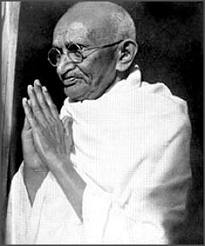
32. The treatment of Palestinian children is ultimately related to the quest for a solution to the conflict that brings peace to both peoples and recognizes fundamental rights. As Gandhi famously said: “If we are to teach real peace in this world … we shall have to begin with the children.” From the evidence available and what was learned on the mission, an intention to achieve a sustainable peace in the conflict would give immediate priority to respect for the rights of Palestinian children, including enabling their normal and positive development despite the constraints of occupation.
33. To illustrate patterns of deprivation, this report discusses arrest and detention procedures relating to children in the West Bank and East Jerusalem and the damaging impact on children’s health arising from unsafe water in Gaza.
A. Arrest and detention procedures for Palestinian children
34. In the Convention on the Rights of the Child, the most widely ratified of all international legal treaties, a detailed framework is set forth of the special protection that parties are legally obligated to provide for children. This encompasses children living under belligerent occupation. Article 3 (1) of the Convention expresses the general approach taken in the Convention, and hence is now embodied in international human rights law: “In all actions concerning children, whether undertaken by public or private social welfare institutions, courts of law, administrative authorities or legislative bodies, the best interests of the child shall be a primary consideration.” Article 38 (1) declares: “States Parties undertake to respect and to ensure respect for rules of international humanitarian law applicable to them in armed conflicts which are relevant to the child.” Article 40 specifies the obligatory steps regarding criminal charges brought against children in keeping with the mandate of article 40 (1) that the child be “treated in a manner consistent with the promotion of the child’s sense of dignity and worth, which reinforces the child’s respect for the human rights and fundamental freedoms of others and which takes into account the
__________________
34 UNRWA, “Demolition watch”, 12 June 2011. Available from http://reliefweb.int/sites/ reliefweb.int/files/resources/Full_Report_1154.pdf.
11-49552
15
child’s age and the desirability of promoting a child’s reintegration and the child’s assuming a constructive role in society”. This approach reflects the general directive of article 77 (1) of Protocol I: “Children shall be the object of special respect.” It is against this background that the pattern of deleterious treatment of Palestinian children living under occupation, as confirmed by many testimonies received during the Special Rapporteur’s mission and published reports of respected NGOs, confirms continuing violations by Israel of international law, in particular international humanitarian law.
35. Many of the arrests of Palestinian children arise out of allegations of stone- throwing aimed at settlers or Israeli security personnel in the West Bank.35 Those accused, unlike Israeli children in the West Bank, are subject to Israeli military law, which offers far fewer protections for minors than are present in Israeli criminal law. Most relevantly, in military law there is an absence of protective provisions regarding the presence of a parent during interrogation, the hours that the interrogation must be conducted or respect for the dignity of the child during the arrest process. The arrest procedures documented by United Nations agencies and reliable human rights organizations include arrests in the middle of the night without prior notification, removal of the child from parents for questioning, abusive treatment in detention and conviction procedures that appear to preclude findings of not guilty. During our mission we were frequently told that these arrest procedures seemed systematically intended to frighten and humiliate those arrested, and to turn them towards collaborating by identifying protest leaders in demonstrations and refraining from anti-occupation activities in the future.
36. In the period between 2005 and 2010, 835 children were prosecuted for stone- throwing, of which 34 were 12 or 13 years old, 255 were 14 or 15, and 546 were 16 or 17.36 Since 2007 the number prosecuted has risen each year. The length of the sentences did take into account the age of the accused, varying from more than a year for older children to a few weeks for younger ones. Israel did establish a youth military court in 2010, and so far its sentences for children in the 12 or 13 year-old category have been lighter, with the longest sentence imposed being nine days, which is far less than in earlier years. The very existence of a military court for children is inconsistent with international humanitarian law’s fundamental commitment to uphold, pursuant to article 40 (1) of the Convention on the Rights of the Child, “a child’s sense of dignity and worth”. B’Tselem has expressed its main finding on this topic as follows: “The present report indicates that the rights of minors are severely violated, that the military law almost completely fails to protect their rights, and that the few rights granted by law are not implemented.”36 Among the serious results of this way of handling Palestinian youth accused of transgressions is the denial of their educational possibilities while in custody or prison, and the disallowance of their ties with families, which go against international legal standards. This abuse also inflicts fear and suffering on parents and other family members who witness the arrest procedures and are not even informed about where their child is being held in custody.
__________________
35 See, generally, B’Tselem, “No minor matter: violation of the rights of Palestinian minors arrested by Israel on suspicion of stone-throwing”, July 2011; and B’Tselem, “Caution: children ahead: the illegal behavior of the police towards minors in Silwan suspected of stone-throwing”, December 2010. Available from http://www.btselem.org/publications.
36 B’Tselem, “No minor matter: violation of the rights of Palestinian minors arrested by Israel on suspicion of stone-throwing”, July 2011.
A/66/358
A/66/358
16
11-49552
37. There is abundant anecdotal evidence of child abuse associated with interrogations and arrests of children.37 The United Nations Children’s Fund occupied Palestinian territory child protection programme contains a summary that overlaps and confirms other reputable descriptions, saying that reports of interrogations are widespread and include fingerprinting, blood tests, humiliation, using dogs to frighten the children, forcing parents into the streets on their knees, arresting boys and girls and bringing elderly women and invalids for interrogation. The same source tells of extreme instances in the village of Awarta. One three-year-old girl was reportedly taken outside her home at 3 a.m. and threatened at gunpoint. She was told she would be shot and her family home destroyed unless she reported on the whereabouts of her brother. Now, her mother explained, she can’t sleep through the night and is bedwetting. One nine-year-old girl reportedly tried to follow her father when he was arrested and she was grabbed by the neck and is still having pain and is afraid to go outside. 38
38. A report of the Association for Civil Rights in Israel details how the Israeli Youth Law is often violated in the arrest and interrogation of Palestinian children in East Jerusalem. The report is specific in its allegations:
Children have been detained for hours on end, handcuffed, they have been threatened during interrogations, screamed at, and coerced by any means into revealing information about the incidents taking place in their neighbourhood. In this context it is important to emphasize that the younger the child is, the greater the chance that he will experience trauma and psychological damage from such treatment.39
Expansion of Israeli settlements in East Jerusalem is coordinated with private security guards, who operate with even less constraint towards Palestinian children than Israeli police. This reliance on security guards is especially prevalent in the Silwan neighbourhood, where settler ambitions have collided sharply with the security of long-term Palestinian residents. According to Sahar Francis, General-Director of Addameer Prisoner Support and Human Rights Association, the arrests of children are intended to intimidate and scare youth so as to discourage “political activism more generally”,40 raising questions as to a specific denial by Israel of the affirmation by the General Assembly of a right of resistance to unlawful occupation policies.
39. It is little wonder in view of such incidents that both Médecins Sans Frontières and UNICEF have recently said that the number of children suffering from stress disorder has greatly increased.41 Colonel Desmond Travers, a member of the United Nations Fact-Finding Mission on the Gaza Conflict (whose report is generally known as the “Goldstone Report”) said in a recent interview: “If the British had behaved toward children who threw stones at them in the manner that is the norm on the West Bank for Israeli security forces — whereby children are rounded up in the evening
__________________
37 See, for example, Defence for Children International — Palestine Section, “In their own words”. 38 Ibid., “Awarta update”, 18 April 2011. 39 Association for Civil Rights in Israel, “Violations of the ‘Youth Law (Adjudication, Punishment
Methods of Treatment) — 1971’ by the Israeli police in East Jerusalem”, March 2011. Available
from http://www.acri.org.il/en/?p=2428. 40 J. Kestler-D’Amours, “The tactic of arresting Palestinian children”, Al Jazeera, 8 July 2011. 41 See “Trauma of Palestinian children increasing, say health groups”, Electronic Intifada, 27 July
2011. Available from http://electronicintifada.net/content/trauma-palestinian-children-increasing- say-health-groups/10212.
11-49552
17
and taken to places of detention, hooded, beaten, and in some cases tortured — the Northern Ireland problem would not be resolved today. It would be still a place of conflagration.”42
40. In response to this pattern of abuse the above-referenced B’Tselem report recommends the following guidelines:
1. Set the age of minority in the military legislation to conform with the age of minority in Israel and the rest of the world immediately;
2. Prohibit night arrests of minors;
3. Restrict interrogations to daytime hours, with parents present, and give minors the opportunity to consult with an attorney in an orderly manner that respects the minors’ rights;
4. Prohibit the imprisonment of minors under the age of 14;
5. Promote alternatives to detention and find solutions offering alternatives to imprisonment;
6. Establish educational programmes in all prisons and offer study opportunities in all subjects to minimize the harm to the minors’ studies while they are detained and imprisoned;
7. Facilitate the issuing of permits to visit minors who are detained and imprisoned.36
B. Gaza blockade, collective punishment and Palestinian children
41. As emphasized throughout the report, children are the most vulnerable and most acute victims of Israeli violations of the provisions of international humanitarian law that are designed to protect an occupied civilian population. With the blockade of Gaza now extended beyond 4 years, and the overall occupation more than 44 years, the impact of those violations is exponentially increased. UNRWA, which normally avoids drawing conclusions as to the character of the occupation, issued a press release on 14 July 2011 expressing its heightened concern and calling attention to the plight of Gaza’s children, stating: “Today, there is a crisis in every aspect of life in Gaza. In education we need to build 100 new schools in three years for these children.”43 UNRWA spokesman Chris Gunness has noted that “the abject poor living on just over 1 dollar a day has tripled to 300,000 since the blockade was imposed and with many reconstruction projects still awaiting approval, the future looks bleak”.44 With more than half the population of Gaza under the age of 18, those facing that bleak future are overwhelmingly children. UNRWA recalls the condemnation by the International Committee of the Red Cross of the blockade as “collective punishment in clear violation of international humanitarian law” and calls on the international
__________________
42 Philip Weiss, “Col. Travers: Israel’s treatment of Palestinian children shows that it does not seek peace”, 11 July 2011. Available from http://mondoweiss.net/2011/07/col-travers-Israels-treatment- of-palestinian-children-shows-that-it-does-not-seek-peace.html.
43 UNRWA, “A goal for Gaza: at 2011 Summer Games, 2,011 children set football world record”, 14 July 2011. Available from http://unispal.un.org/UNISPAL.NSF/0/E014A7DE55B9E6B0852578 CD0065C530.
44 UNRWA, “Gaza blockade anniversary report”, 13 June 2011. Available from http://www.unrwa.org/ etemplate.php?id=1007.
A/66/358
A/66/358
18
11-49552
community “to ensure that repeated appeals by States and international organizations to lift the closure are finally heeded”. It ends with this appeal: “We endorse these calls for accountability, because we need to lift the blockade and give the kids of Gaza a chance to fulfil their true potential.”43 As an aspect of the multidimensional crisis facing Gaza, UNRWA itself is experiencing a funding crisis that already is impinging on its capacity to continue even at present levels to provide for the 80 per cent of the Gazan population that is currently dependent on international assistance for subsistence, and lacks the resources to meet the additional needs of Gaza’s families, which of course encompasses the children.
42. What is said about Gaza is only a shade less true for the West Bank, including East Jerusalem, where the ordeal of prolonged occupation weighs heavily on the future prospects of children living in an atmosphere of fear and intimidation from birth onwards. Recent developments in Area C, which is 60 per cent of the West Bank, are in their own way as severe in their deprivation of rights as the situation in Gaza, especially in relation to the displacement and dispossession of Bedouin villages that have created a general atmosphere of fear and foreboding, especially among Bedouin children.45 According to UNRWA field staff with whom the Special Rapporteur met during the mission, the 155 herding communities left in Area C, which is fully controlled by Israel, include many Bedouin refugees now facing forcible displacement. Those communities, including many children now largely without regular access to schools, have dramatically deteriorated since 2000, with half the population having been forced out of the West Bank grazing areas, losing their herds and involuntarily ending up in small towns and villages. Part of this forced displacement and forced urbanization has been the result of an Israeli policy of systematic demolition of the traditional cistern-based water infrastructure essential for maintaining the Bedouin people’s nomadic and agricultural way of life, which the occupying Power contends is unlicensed, and thus subject to removal. Bedouin children, most of whose families have already been made refugees in the past, face the particularly difficult challenge of losing their homes and entire way of life as a result of this forced abandonment of their herding traditions, as well as being denied the protection of citizenship associated with upholding the dignity and rights of individuals.
C. Palestinian children’s health and polluted water in Gaza
43. Children are particularly vulnerable to the unsafe water conditions that exist in Gaza. It is estimated that 54 per cent of Gaza’s 1.6 million civilians are children under the age of 18, with 20 per cent of the total under 5 years of age. Within this youngest age group, nearly 300,000 children are at acute risk; this age group is most vulnerable to the effects of water-associated disease, accounting for 90 per cent of annual deaths due to diarrhoeal diseases, including cholera.46 Studies demonstrate that it is Gaza’s unsafe waters that account mainly for the differences in health and survival (child mortality) between children in Gaza and those in the West Bank. The study mentioned above clarifies this conclusion: Gaza’s sole water source is an
__________________
45 See Harriet Sherwood, “Bedouin children hope their West Bank school will be spared Israel’s bulldozers”, Guardian, 12 June 2011.
46 See UNICEF, “Protecting children from unsafe water in Gaza: strategy, action plan and project resources”, March 2011. Available from http://www.unicef.org/oPt/FINAL_Summary_Protecting_ Children_from_unsafe_Water_in_Gaza_4_March_2011.pdf.
11-49552
19
aquifer that is chemically contaminated with dangerous levels of chlorides, nitrates and other pollutants, some in excess of World Health Organization guidelines. Water scarcity aggravates the problem. Almost two thirds of Gazans surveyed indicated that their water is of bad quality due to its high salinity and water pollution, which is especially caused by wastewater contamination. The World Bank and Coastal Municipal Water Utility in Gaza stated that “only 5 to 10% of the aquifer is suitable for human consumption and … this supply could run out over the next five to 10 years without improved controls”.46
44. What is at stake with respect to water quality in Gaza is the right of the child to life and health. Exacerbating the crisis is the continuing impact of the unlawful blockade by Israel, which prevents the importation of tools and materials necessary to repair and restore the water purification system partially destroyed during Operation “Cast Lead”.
VIII. Recommendations
45. In the light of the above, the Special Rapporteur recommends that the Government of Israel take the following measures:
(a) Immediately adopt in policy and practice the guidelines of B’Tselem for the protection of Palestinian children living under occupation who are arrested or detained as a minimum basis for compliance with international humanitarian law and human rights standards under international law;
(b) Allow on an urgent basis entry to Gaza of materials needed for repair of water and electricity infrastructure so as to avoid further deterioration in the health of the civilian population, especially children, which is currently in critical condition;
(c) Develop and implement appropriate detention and imprisonment policies and practices for Palestinians, including fully observing the prohibition on transferring prisoners from occupied Palestinian territory to Israeli territory;
(d) Immediately lift the unlawful blockade of Gaza in view of its violative impact on all aspects of civilian life, its undermining of the basic rights of an occupied population and its grave impact on children.
46. The Special Rapporteur recommends that the General Assembly request that the International Court of Justice issue an advisory opinion on the legal status of prolonged occupation, as aggravated by prohibited transfers of large numbers of persons from the occupying Power and the imposition of a dual and discriminatory administrative and legal system in the West Bank, including East Jerusalem.
A/66/358
Tags: Gaza, Gilad Shalit, Israel, Palestinian territories, Special Rapporteur, United Nations, United Nations Special Rapporteur, West Bank






 Global Justice in the 21st Century
Missing the Point Twice: International Law as Empire’s Sunday Suit
15 OctIn a recent speech at the Harvard Law School, John Brennan, President Obama’s chief advisor on counterterrorism and homeland security, boldly declared: “I’ve developed a profound appreciation for the role that our values, especially the rule of law, play in keeping our country safe.” The most notable feature of the remarks that followed was the legal rationalization put forth for targeting killing of civilian terrorist suspects distant from ‘the hot battlefield’ even if not engaged in activities that could be reasonably viewed as posing an imminent threat to security of the United States.
In effect, post-9/11 American ideas of self-defense incorporate by stealth the Bush Doctrine of preemptive war used to justify aggression against Iraq in 2003, which had seemed discredited in international until quietly revived by the Obama presidency. The entire world is treated as part of the operational battlefield in the so-called ‘long war,’ and civilians, such as the religious ideologue Anwar al-Awlaki, killed on September 30, 2011 in a remote region of Yemen as if he was a soldier at war. This purported legalization of drone attacks carried out in foreign countries represents a unilateral extension of international law, as well as establishes a precedent that would not be tolerated if claimed by any country hostile to the United States. Involved here is the de facto amendment of the right of self-defense in a manner inconsistent with both the understanding embedded in Articles 2(4) and 51 of the UN Charter and of contemporary international law as interpreted by a majority in the International Court of Justice in the Nicaragua case decided in 1986. The United States now sets the new rules that override the old rules, and then limits their availability to others by restrictions based on geopolitical criteria of ‘friend’ and ‘enemy.’
All that Brennan offered in support of such an imperial claim was the assurance that the United States is careful in the execution of these attacks, seeking to minimize the risk of mistaken identity and taking steps to ensure that the attacks take place in situations where the risks of unintended ‘collateral damage’ are reduced to the minimum. The credibility of this reassurance is insulated from inquiry by secrecy, a total lack of transparency that is supposedly justified by the need to protect intelligence sources. There is also no independent post-attack independent inquiry as to whether the targeted individual might have captured rather than executed, whether there existed a sufficient threat of involvement in dangerous activities to warrant such at attack, whether the government of the country involved gave its consent voluntarily, and whether there is or should be accountability for errors. Such a procedure can only be understood as an effort to establish a system of imperial global governance in relation to the use of force. If this constitutes the way American ‘values’ deploy ‘the rule of law’ it would seem to reflect the most cynical reliance on ‘law’ as propaganda, while at the same time discarding the proper role of law as a constraint on violence. It is also relevant that the unusual amount of attention given to the al-Awlaki execution results from his American citizenship, which implies the regressive understanding of law that there are no grounds for a serious American concern if the target is non-American regardless of the innocence of the person or the fact that he or she are being killed in their homeland and citizenship. Such a world we are making for ourselves and others.
In March of 2011, in a spirited address to the American Society of International Law, Harold Koh, Legal Advisor to the Secretary of State, also spoke glowingly about the commitment of the United States during the Obama presidency of “living our values by respecting the role of law.” He went on to explain that this mean “following universal standards, not double standards.”
These legalist sentiments were deemed by Koh to be so central to his argument as to be printed in bold lettering for emphasis.
What should strike any reasonably objective person is the crude hypocrisy of an American government official rejecting double standards while simultaneously engaging in political gymnastics to avoid acknowledging the unlawfulness of Israel’s behavior: the United States stands practically alone in the world in refusing to condemn Israeli settlements in occupied Palestine, in denying Palestinian statehood at the UN, in endorsing the collective punishment inflicted on the civilian population of Gaza for more than four years; in repudiating the recommendations of the Goldstone Report. Indeed, U.S. foreign policy toward Israel is the most glaring and punitive instance of double standards with respect to international law that exists in the world today. But it far from the only example. Other prominent instances exist in many crucial domains of global policy: as with the nuclear weapons states that maintain arsenals of weapons without accepting restrictions on their use and non-nuclear pariah states that under the geopolitically managed NPT regime are threatened with military attack for supposedly seeking such weapons; as with the identity of those political leaders and military commanders who are prosecuted for international crimes and those who enjoy a condition of de facto impunity; and as to states that could be invaded by reliance on the norm of ‘responsibility to protect’ and those against which such action is inconceivable however much the territorial population is confronted by dire threats to its wellbeing and survival.
I am less shocked by the behavior of the United States, which reflects its grand strategy, than by this insistence on stretching the meaning of the most fundamental legal rules and principles to satisfy foreign policy priorities.
For esteemed international law figures such as Harold Koh, formerly a distinguished human rights scholar and dean of the Yale Law School, to make such bold assertions about the post-9/11 law, validating drone warfare, without even bothering to acknowledge doubts as to the wisdom and acceptability of such a course is to embrace jurisprudential nihilism in two senses—first, by undermining the authority of international law by showing that it can always be extended unilaterally to serve the interests of the powerful, and operates otherwise to discipline weak states; and secondly, by creating a precedent that will not be honored as ‘law’ if invoked by others- witness the hysterical reaction to the shaky claim that Iran was plotting the assassination of the Saudi Arabian ambassador to the United States. What is sauce for the geopolitical goose seems to be poison for the pariah gander!
There are respectable reasons to suggest that international law of war and peace that has evolved over the centuries to deal with conflict among states, and as such needs to be revised to take account of non-state actors and networks, as well as in response to the global horizoning of many interactions in the world of the 21st century. But there are no respectable reasons to contend that dominant states can exercise a military option wherever they choose, and then have the temerity to call this behavior ‘lawful.’
Michael Rosen, an ideological apologist for the executions of Osama Bin Laden and Al-Awlaki, writing in The American, the magazine published by the American Enterprise Institute (the right-wing think tank) put his support for drone military activity this way: “But in the civilized world..increasingly.. targeted by Islamist terror, we must continue to return fire by robustly targeting the terror masters.” At least such an assertion
does not pretend to provide an international law justification, although it does stretch the U.S. Congress’s 2001 Authorization of the Use of Military Force, designed to reach those involved in the 9/11 attacks, to validate the execution Al-Awlaki who has never been accused of having any relationship to 9/11. It also most unacceptably sets up this long repudiated moral contrast between ‘the civilized world’ and the rest that has so often in modern times been used to justify violence by the West against the non-West. I had hoped that the collapse of colonialism would have at least discouraged the use of such a tasteless rhetoric of comparison.
There is a final point. Living in a region that is subject to drone attacks as in the tribal areas of Waziristan is terrifying for the population as a whole. This ill-defined vulnerability helps explain the severe hostility to the United States that exists among the Pakistani people and led to a unanimous resolution adopted on May 14, 2011 by the Pakistan parliament demanding that the executive branch uphold Pakistan’s sovereignty by disallowing any future drone strikes on its territory, and if they continue to cut off NATO supplies destined for the Afghanistan War. Supporters of the resolution have sought implementation through the courts, and a Lahore judge has ordered Pakistan foreign minister to submit detailed responses to issues raised. It is one thing to assess the reasonableness and proportionality of a targeted killing, including by reference to collateral damage by reference to the person(s) targeted, but such an appraisal fails to take any account of the more pervasive and inevitable collateral damage caused by producing intense insecurity on the part of an utterly defenseless civilian population as a whole. As far as I have seen this latter dimension of state terror associated with these new modalities of surveillance, intelligence operations, and robotic militarism never considers the psychological harm being done to the people of the targeted country. This raises issues bearing on the right to life as a fundamental right of all persons under international human rights law.
Tags: American Society of International Law, Anwar al-Awlaki, Bush Doctrine, Harvard Law School, International Court of Justice, Obama, United States, Yale Law School