Archive | Commentary RSS feed for this section

Further Reflections on Istanbul as Global Capital

7 Nov

Further Reflections on Istanbul as Global Capital 

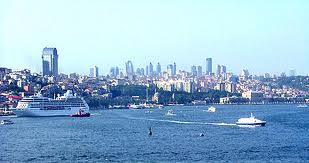
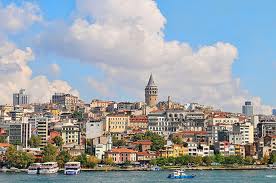
My proposal that we consider the possibility of treating Istanbul as the world capital attracted a broad range of responses. I tried to make clear in my revised text that Istanbul could not hope to have this kind of recognition until Turkey had addressed some serious issues, especially the Kurdish grievances that have induced a massive hunger strike in Turkish jails (with over 600 prisoners now taking part, and more threatening to do so), as well as serious concerns about the human rights implications of the imprisonment of many students and journalists. Several other kinds of objections were also raised. For instance, Istanbul is inappropriate as a choice because it is situated at the interface of colliding tectonic plates that makes it vulnerable to devastating earthquakes. Others respondents contended that if recreational appeal is part of Istanbul’s charm, then why not Las Vegas. It supposedly has a better claim than Istanbul as ‘it has something for everybody.’ My initial very tentative proposal of Istanbul was based on its extraordinary combination of qualifying features, especially its strategic inter-civilization geography, its capacity to be of the West and at the same apart from the West, and its cultural/religious/historical resources that seem unmatched in cumulative effect elsewhere, and give the city a cosmopolitan identity that recalls its days of multi-ethnic Ottoman imperial glory. Additionally, more than elsewhere, the Turkish political leadership has been alive to providing Istanbul with a world class infrastructure as it wishes to take advantage of its unique character.


Other objections to the proposal were more substantial, yet unconvincing to me. For instance, some pointed out that Turkey as a country of 80 million Muslims and Istanbul as a city estimated to have 15 million Muslims is not capable of representing the world, and that somehow a great European city would serve the peoples of world less controversially. There is of course an inherent problem arising because any urban space will partake of a particular religious, national, and ethnic identity, but if such a qualification were to be uniformly applied it would mean that there was no city on the planet that could ever serve as the world capital. The idea of having a capital city is a strictly soft power proposal, creating a symbolic meeting place for diverse cultures, religions, and political systems, and is offered as a building block for a global imaginary that befits the imperatives of moral and spiritual globalization. It is my opinion that the Turkish government over the course of the last decade has done better than any other country in relation to cities within its borders in creating at atmosphere of cosmopolitan hospitality and stature for the city of Istanbul.


A quite different objection is associated with Turkish membership in NATO and what that entails in relation to non-defensive military operations such as in Afghanistan ever since 2001, the regime-changing 2011 intervention in Libya, and the interference with the Syrian internal struggle over the course of the last two years. Such Turkish undertakings do seem to cast a shadow over any present undertaking to propose Istanbul as a global capital, and should probably be treated as a serious obstacle. If Turkey seeks to make Istanbul play its potential global role then it would need to rethink its geopolitical ties. Perhaps, there exists a decisive contradiction between such a Western oriented geopolitics and the kind of world identity that a global capital should aspire to achieve. Turkey has been up to now pursuing an equi-distance diplomacy, balancing its Western ties against its post-Cold War independence, as well as promoting a new geopolitics of soft power without relinquishing the residual role of the old geopolitics of hard power. The Arab upheavals since 2011 have seemed to make the transition to a soft power matrix more elusive for Turkey, and thus weaken arguments for Istanbul’s ascension to a status that overlooks its reality of being embedded in Turkish national sovereignty.


In summary, Istanbul is marvelously qualified from many perspectives to serve as the capital of the world, but cities cannot avoid being identified with the country in which they are physically located. The Turkish government in the last decade has done many things to enhance the role of Istanbul, but its own persisting problems are part of Istanbul’s reality, and to the extent these difficulties are not overcome it is hard to imagine any proposal of Istanbul as global capital getting very far in world public opinion. In effect, there is a Gordian Knot at the core of world order that ties the fate of the city to that of the nation, and most of the citizenry of particular countries would not have it any other way. To this extent, the modest

proposal of Istanbul as global capital, while tantalizing, does not seem capable of realization without the deterritorialization of the relationship between global cities and sovereign states, and if this ever happens, it will not be anytime soon.


This commentary on Istanbul arises from my own romance with the city during the past twenty years, entranced by its beauty, vitality, exotic features, the warmth and tenderness of its people, and the transcendent vision of the Turkishpolitical destiny set forth by its principal leaders. This kind of love affair has persisted despite the horrors of Istanbul’s traffic and the unpleasantness of its unhealthy air.


Istanbul: A Modest Proposal

2 Nov


            An earlier version of this short essay was published a few days ago in Al Jazeera English online as an opinion piece. My most trusted Turkish friends felt that it grossly exaggerated Istanbul’s credentials as a possible future world capital, and in deference, I will tone down some of the language, and call attention to some problematic features of the Turkish political landscape that should not be ignored in proposing such a status for Istanbul. At the same time in the Swiftian nature of ‘modest proposals’ to be immodest! I think it was an American comedian who said “if you haven’t gone too far, you haven’t gone far enough.” Or when Jean-Paul Sartre at the end of his life was asked about what he regretted most about his overall public role, he responded, to the effect that he had sometimes been too cautious, not sufficiently extreme. Norman O. Brown, who did much in the 1960s to inspire the study of human consciousness, once said in the course of a lecture that in psychoanalysis “only the exaggerations are valuable.” It is in this spirit that I continue to believe that Istanbul has the most to offer the peoples of the world as a global capital, but I would welcome a debate on whether the idea of a global capital is a sensible idea given the nature of globalization and if it is, whether there are preferable alternatives to Istanbul. Of course, one idea would be to neuter the idea of a global capital by choosing an uninhabited island mid-ocean, but I would imagine that almost no one would feel connected to such a place, any more than they do to such existing sterile national capital startups as Brasilia and Canberra.            


            The idea of a global city has a long lineage with deep roots in the pre-modern world. Indeed it seems correct to observe that global cities existed before national cities, preceding the formation of the modern state. A global city is most often associated with being a center of world trade and finance, but usually such a city also possesses strong cultural and touristic resources that attract visitors. Thinking in this manner explains the persisting tendencies is to view the hierarchy of global cities from a West-centric perspective: London, New York, and Paris placed in the first rank, with cities such as Tokyo, Geneva, Sao Paulo, New Delhi, Hong Kong, Singapore, Berlin, Rome, Shanghai, Istanbul, and Los Angeles treated as forming a second tier. Of course, such rankings are quite arbitrary, shift over time, reflecting new patterns of economic and political relationships that exhibit the ebb and flow of world history. Such urban centers as Rome, London, Alexandria, Baghdad, Vienna, Venice, and Athens were definitely primary global cities during their respective heydays.
 

            But there is a new phenomenon that is especially associated with economic globalization and the main technological innovations of the past century that has given rise to such designations as ‘the digital age’ or ‘the networked society.’ This radical compression of space and time in the world creates a natural inclination to find, designate, and establish someplace as ‘the center of the world,’ as the ‘world capital.’ Of course, the claim and perception of being ‘the world capital’ is both a social and political construction that is connected with the realities of global leadership, sometimes reinforced by cultural preeminence, and normally narrated in an inherently subjective and self-centered interpretation of the flow of history, however the self is defined. In the end such a designation is bound to be controversial, and likely contested.


            Of course, from a mainstream realist international relations perspective we can think geopolitically of the world capital as a reflection of the prevailing distribution of hard power at a give time. Thus in the bipolar world of the Cold War it was Washington and Moscow. After the collapse of the Soviet Union it became Washington alone. Some are now insisting that a new bipolarity is or will shortly be upon us, and even anticipate a new cold war, designating Beijing to be a world capital more or less equivalent in status to Washington. And for those who believe, and hope, that a more polycentric world is emerging, and would be desirable, then perhaps, in addition to Washington and Beijing, one might add Delhi, Rio de Janeiro, Berlin, and even Jakarta, if the European Union moves forward, maybe Brussels, and possibly Cairo as well but only if Egypt is able to find stability and regain its former regional stature.
 

            Of course, all existing cities in the 21st century are contained within a particular state, and are subject to its authority, and share its destiny. In the past there have been some ‘international cities’ without any national affiliation, and there are today in our world several successful city-states, and many states smaller in population and area than the largest cities. Proposals have been made in recent decades to establish Jerusalem as an international city, not only because such a step would contribute to a sustainable and just peace between Israel and Palestine, but because of its sacred and historical belonging to all three of the Abrahamic religions.


Most globally ambitious cities in the modern world, then, have this dual identity, as situated within a territorial state and yet striving for a measure of internal autonomy. As a result, cities often develop a split national personality that combines loyalty and antagonism, the latter often fueled by the deep-seated tensions between cosmopolitan urban space and the more provincial hinterland, as well as by national politicians who shift resources from the city to the countryside in their quest for votes, or sometimes, to reduce gaps in standards of living. These tensions on occasion give rise to frivolous suggestions of secession for cities that seem at odds with the ethos of the country as seems to many to be the case for New York City. It is called by its fiercest critics ‘Sodom-and-Gomorrah-on-Hudson’ and by its most loving devotees as simply ‘The Big Apple.’ Some New Yorkers have daydreams of being a city-state, and many Midwesterners would be happy if the dream came true. It is much more common for secessionist movements to become serious political projects for territorial communities comprising a minority ethnicity or religion that claims a political and legal right of self-determination. Restive urban minorities may riot on occasion and vent their dissatisfaction, but their imaginary rarely includes a scenario of formal disaffiliation. Singapore is a rare exception to this pattern, split off from the British colony of Malaya at the moment of independence. More common is the experience of Hong Kong, being reabsorbed by its powerful Chinese neighbor.


            A focus on cities is one way of circumventing the tendency to view sovereign states as the only political actors worth theorizing about in international life. It is true that states have an identity based on governance over a defined space that is recognized in diplomatic circles, as well as enjoying the prerogative of granting or withholding citizenship. The primacy of states as international actors is reinforced by membership rules and procedures for international institutions, especially the United Nations, that confer special and often exclusive status on a political community that qualifies as a sovereign state. In contrast, the terminology of ‘global cities’ is assigned without any agreed criteria or conferred status, lacks diplomatic relevance from the perspective of international law, and the idea that there exists one or more ‘global capital’ is no where referenced on standard world maps and remains a completely constructed category of status, identity, and desire. No government would be foolish enough to proclaim its main city as the capital of the world, although the United States came close to doing so during the springtime grandiosity of George W. Bush’s presidency. Proponents of a certain leadership role for a given state may for a variety of reasons be tempted to put forward the claim of providing the world with a capital city. It would follow from the very real geopolitical ambition to be at the ‘center’ of global policy formation and implementation, to have control over a disproportionate share of the world’s resources, and to boast of offering visitors the most exciting cultural and touristic experiences.


            Part of the appeal of the global capital is precisely this separation of status from statehood, and more specifically from the calculus of hard power. Cities, unlike states, have police forces but no armies, although some cities have local guard or militia units, none in modern times possess or aspire to possess force capabilities to project hard power beyond city limits. Cities generally lack an arsenal of heavy weapons, do not have foreign policies, and enjoy only secondary diplomatic representation. Embassies are in capital cities however remote and small, while consulates are in cities no matter how large and influential. In Brazil, for instance, foreign ambassadors resent being posted to Brasilia, the planned and somewhat isolated and artificial capital city, and greatly prefer living in such stimulating urban environments as Sao Paulo or Rio de Janeiro. Cities are simply places where lots of people live, work, enjoy nightlife, have access to extensive financial services, and engage in a range of cultural and economic activities. What, then, motivates a city to be treated, even symbolically, as a political actor, and more grandly, to put forward the claim to be the potential or actual global capital?


Some assertions along these lines are deliberately extravagant or are merely intended to call attention to past glories, without any serious political intention to project power. The interior Chinese secondary city of Dengfeng, for instance, claims not only to be the center of the world but the center of heaven, as well, and indeed in past times it has served as the national capital for nine Chinese dynasties. Dengfeng’s self-assertion as a city whose provenance extends beyond China and beyond any given time period, is part of its charm, and lends traditional and spiritual significance to the very metaphorical idea of there being such a reality as the center of the world, much less heaven. Such an idea resembles in certain respects the geographical seats of the great world religions that do indeed possess a centrality for the more devout among the faithful as illustrated by the great pilgrimages to Rome to visit the Vatican or the haj as the obligatory journey taken by devout Muslims to their most holy site of worship.


            In my view, such a claim on behalf of cities should be understood as partly a site of struggle between two types of adherents. On one side, those who adhere to the old geopolitics that continues to believe, always somewhat misleadingly, but recently more grotesquely so, that history is principally made by those who prevail in warfare, and little else. Such a belief is usually coupled with the Weberian insistence that it is the sovereign state that establishes its identity by its possession over a monopoly of legitimate force. On the other side, are those who view history through a soft power rainbow optic in which culture, political vitality, religious identity, and ethics shapes and forms what unfolds, and eventually yields a cosmopolitan urban outcome despite being out gunned on the battlefield, or succumbs and endures the tragedy of alien domination. Cities, more than countries, can be analogized to magnets or force fields where people go to strike deals, to be entertained and well fed, to add pleasure, cultural enjoyment, and to enjoy greater privacy in their lives, to discuss their problems and receive guidance, chase dreams, and entertain hopes about the future, to be educated, to be inspired by art and artists, and of course, to be protected by municipal government against violent crime and natural disasters.


            There was a period not many years ago where there was a notable interest in cities as independent political actors on the global stage. There were many conferences organized around the theme ‘x city and the world.’ I attended a series of annual gatherings bearing the title ‘Yokohama and the World’ that brought together thinkers and civil society actors from many foreign countries and regions. These meetings were a pet project of the governor of the Japanese prefecture, and the discussions were vibrant and suggestive, blending wishful thinking, advocacy, and an assessment of trends. The underlying perspective was one in which it was presupposed that what was good for Japan was not necessarily good for Yokohama, that cities might have separate interests and different priorities from those of national political leaders, and that especially the national capital was subject to many distorting pressures divorced from service to the human interest or the wellbeing of Yokohama’s citizenry. The global city as distinct actor, complicated by its formal subjugation to the territorial order of sovereign states, suggests that people living in a particular city might not share the postulates of territorial nationalism, and were not nearly as inclined to include hard power in their political imaginary. The idea of a world order that was basically constituted by the principal cities of the world depicts an alternate pathway to peace, sustainability, justice, and world order that is at fundamental variance from the preoccupation of sovereign states with national security. In the Yokohama setting, for instance, there was a much greater willingness to engage positively with China than was then the case for the Japanese government located in Tokyo, reflecting a web of national and international considerations. Should we not favor a network of global cities as creating a non-territorial approach to global policy that might be much more attuned to global needs and desires, especially if cities could gain wealth and prestige while contributing to the further intermingling of civilizations and thereby laying the foundations for a more peaceful and sustainable human future.


            In the pre-modern world cities were much more prominent than in modern times when sovereignty, nationalism, citizenship, bounded territoriality, and statehood organized political life. Socrates felt that death was preferable to being exiled from Athens the city that he loved, and exile was often seen as the worst punishment that could be inflicted. Even Machiavelli centuries later, rarely celebrated for his tenderness, expressed a romantic attachment to his native Florence: “I love my city more than myself.” In the course of the transition to modernity there were many instances of resistance on the part of cities that did not want to get swallowed by these larger political communities established in every instance by conquest. Most of us remain unaware of the deep connections in the past between political violence and the constituting of larger ‘legitimate’ political communities. The relationship between state-building and war that is so fundamental to the securitization of world politics is, in other words, neither new nor without deep roots in the histories of every sovereign state and all major cities.


            But with the revival of city-states such as Singapore and Hong Kong, and the success of several micro states, we can observe a far weaker linkage between security and hard power, as well as the rebirth of the medieval idea of community viability. These political entities become secure by being useful to others, viable and vibrant for themselves, and generally enjoying ‘zero problems with neighbors,’ but not by being able to extend territory and control of resources by conquest. Although this portrayal must be expanded to admit that most modern states did originate with cities that did expand for the sake of food security and wealth or to provide their city with security against marauding neighbors or the vagaries of weather. Nevertheless, this experience of the past is suggestive of how it might be possible to transform the political imaginary of states with respect to their most fundamental reason for existence, inducing more dedication to the security of people (‘human security’) less to the security of governments (‘national security’).


            I believe that the idea of proposing a global capital is a defensible endeavor, even if seen only as laying the groundwork for the future, if we take into account the degree of integration that has been achieved by markets, by globally constituted battlefields, by changing geopolitical patterns, by struggles to generate global policy that is commensurate with such collective goods problems as climate change and nuclear weaponry, by global travel and globalization of political identity and the dispersion of families throughout the planet by migration and forced displacement.  Of course the choice of this city rather than that one is political, economic, ethical, and even aesthetic and hedonistic.


            My initial sense of which candidate cities offer the most plausible site of the global capital is rather pluralist. For instance, if our outlook is  geopolitically oriented according to the logic of hard power realists, then the argument for choosing Washington to play that role seems rather obvious despite its recent experiences of relative decline. Yet if the speculation is more normative, connected with human values, then we would probably pick New York, especially because aside from the being the headquarters of the United Nations, it is a most notable global city from the perspective of ethnic diversity, finance, and cosmopolitan culture, although its short lifespan, vulnerability to extreme weather events, and Westcentric orientation limits the quality of its candidacy given 21st century post-colonial realities. New York and Washington also suffer from the role of the United States as the gatekeeper for access, which in the post-9/11 world has made entry problematic for many of those invited to perform culturally or participatein political or academic conferences.


            London also could be considered, having the advantage of a long lineage, rich tradition, as well as finance and culture, and the birthplace of the English language. Until very recently a case could be made for Brussels as the hub city for the European Union, as well as NATO, and giving expression to the idea that the world we live in is mainly responsive to economic and military power (an inversion of the 9/11 attacks that targeted the World Trade Center and the Pentagon as the two pillars of the American world role). Brussels could also be championed as a precursor of a post-statist world order that is constituted by regional groupings, but its Western identity and association with the extensive European overseas empires and colonial crimes are fatal handicaps in our post-colonial world that bases notions of legitimacy more and more on de-Westernizing claims of civilizational identity.


            I find none of these candidate cities as sufficiently endowed with the combination of features that might justify christening its as the capital of the world. But I do have a promising candidate provided it can overcome some present obstacles: Istanbul. This may seem surprising, because although achieving a much higher profile in the last decade, Turkey as a state is not viewed as belonging to the top tier of countries in the world, including among emerging states, its currency is not much valued beyond its borders, and its language spoken only in its own country, among a few nearby Turcoman minorities, and some central Asian countries that gained independence a couple of decades ago when the Soviet Union fell apart. As well, Turkey has some severely troublesome domestic problems for which no near-term solution seems forthcoming, especially its inability to accommodate the grievances of 12-15 million Kurdish minority, important international unresolved issues such as its relationship to the Armenian diaspora, its various tensions with Israel, Greece, Cyprus, Syria, and Iran, and its dysfunctional, yet abiding and severe, internal polarization between those who governed during the Republican Era, and those who have run the country since 2002.


            There are more serious issues as well that make Istanbul’s candidacy problematic in many quarters precisely because it is such an integral part of the Turkish state. The central question is raised: ‘Should the sins of the state be visited upon the city?’ It is not an easy question. And what of the sins of the city? Istanbul has had a spectacular building boom in recent years, with shopping malls and upper income restaurants and hotels, and an overall atmosphere that may not be conducive to a fulfilled life for the majority of inhabitants that must struggle with the ordeals of living and working in a city of rising living costs, unhealthy air, and limited resources for human satisfaction unless one is the recipient of a large salary.


            How then can Istanbul be seriously considered in our search for a global capital? I would point to several factors. Increasingly, Istanbul is a city of choice for those international travelers in search of touristic fulfillment, and it rarely disappoints visitors despite its awesome traffic that clogs streets well past midnight and its polluted air. It has also become a secure and acceptable place to hold the most delicate diplomatic discussions, whether involving such regional issues as Syria and Iran, or wider concerns about Afghanistan and Africa. Istanbul has without fanfare also taken steps to emphasize its rising importance: with Spain it jointly administers the UN project on ‘Alliance of Civilizations’; it held recently a very high profile inaugural session of the World Economic Forum; and it also has become a favorite non-European meeting ground for a variety of UN sponsored events.

            Istanbul is convenient to reach for global gatherings, Turkey is a permissive gatekeeper with respect to visitor access automatically issuing visas for a small charge, and Turkish Airlines was recently selected as the best in Europe. Important, also, is the fact that Turkey is not Europe psychologically, even if a small part of its territory is treated as being in Europe. Turkey’s Asian identity is not just a geographic description, but is far more a cultural and religious imprimatur. It has been given greater recent authority by the European Union’s rejectionist response to the Turkish application for membership. Many comment that Turkey has been fortunate to remain outside the EU during the current Euro-crisis, but more than this, if Turkey had become a member it would no long be perceived as favorably by many non-Western constituencies. Turkey also has gained economic and political credibility at a time when so many important states have either been treading water so as to remain afloat. It has also pioneered in achieving a stable interface between secular principles and religious freedom, moving away from the ‘over-secularization’, to borrow the designation from Ibrahim Kalin. This rigid version of being secular dominated the Turkish political scene during the long period of Kemalist ascendancy that ended in 2002 with the control of the Turkish government shifting to the AKP as a result of electoral victories. It is necessary to account of such factors as Istanbul can not be separated from its embeddedness in the Turkish reality.


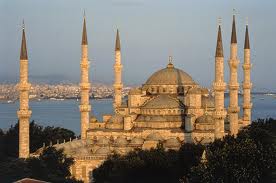
            But is not such acclaim for Turkey irrelevant to the advancement of Istanbul as global capital? One of the distinguishing features of the Erdogan leadership has been to shift the attention of the country and the world to Istanbul, just as Ataturk had strongly believed that a truly modern Turkey would need to repudiate its Ottoman past and so deliberately moved the capital city to Ankara as part of a fresh break with history for the young republic. For the AKP the re-glorification of Istanbul is a way of reviving pride and the traditions associated with the pre-republican era. This is not a crude form of neo-Ottomanism, but a realization that Istanbul was a treasure trove of cultural and religious eminence unmatched elsewhere, and a subtle reminder, through its extraordinary mosque architecture, of its former stature as the home of the Islamic Caliphate. As well, Turkey geopolitically and geographically provides a unique set of linkages between Europe and Asia, Europe and the Middle East, Europe and Africa, and offers the world a more cosmopolitan understanding of the Mediterranean world. I would also mention the degree to which Turkey’s most celebrated author, the Nobel laureate Orhan Pamuk, has been inspired by the imaginative excesses of Istanbul as a city. Pamuk is sometimes referred to as ‘the biographer of Istanbul’ because his great The Black Book and his memoir of growing up in the city so brilliantly capture the magic and mysteries of Istanbul, which has attracted millions of hearts and minds around the world, endowing the city with an almost mystical identity for many of us. Tell me a city other than Istanbul that has exerted such an influence on our collective imaginations? Some might answer feebly ‘Venice,’ recalling Thomas Mann’s great story ‘Death in Venice’ as well as the haunting novel, The Comfort of Strangers, set in Venice by Ian McEwan, but the charisma of Venice is as a place of menace and degeneracy, although its exotic beauty is unquestionably one of the urban wonders of the world.


            What enhances Istanbul’s candidacy, in my judgment, is the degree to which this Turkish worldview has been recently articulated in a clear manner. More than any other current political leaders, those who have spoken for Turkey during the last several years have understood and expressed the need to bring a change about the way in which security and power have been achieved in modern international relations, while at the same time not losing an appreciation of the resilience of the old ways, however anachronistic, during this agonizing period of global transition. This innovative renewal of Turkish influence has been rooted, to an unparalleled extent, in soft power geopolitics stressing the mutual benefits of peace, trade, cultural achievement, ciilizational pride, and dialogue.


            True, Turkey’s preferred orientation has recently been significantly readjusted to take account of a series of unexpected developments arising from the aftermath of the Arab upheavals, especially in neighboring Syria.  Despite Turkish foreign policy being confronted by hard power challenges within its borders and region, Ankara’s underlying commitment to a new paradigm of world order has not been abandoned. The Kurdish challenge, the Syrian internal struggle, tensions with Iran have led to a dramatic modification of the earlier flagship promise of ‘zero problems with neighbors,’ but even this seemingly unrealistic goal, if sensitively and contextually considered, retains its essential wisdom, which combines principle associated with maximizing peaceful relations with states and their peoples and promoting mutually beneficial interests. As Foreign Minister Davutoglu has repeatedly stressed, when a neighboring government commits atrocities against its own people, then Turkey sides with the people, not the government that has discredited itself. When the zero problems approach was first proclaimed, it might have prevented future confusion, if this qualification had been made explicit.


AKP detractors, whether Kemalists within or Israelis without, have done their best to discredit the Turkish approach to foreign policy. Undoubtedly the new challenge is complex and difficult: How to strike a new balance amid the turmoil of the region that has so far made fools of us all! Yet I am convinced that Turkey continues to do its best to increase the prospects for soft power geopolitics while undertaking the necessary prudent steps to avoid dangerous vulnerability to those political forces that continue to rely on hard power solutions for conflict, including the perpetration of mass violence against their own people.


            Considering Istanbul as a possible future capital of the world can be interpreted as a side-effect of the advocacy of soft power geopolitics. It also responds to the receptivity of Turkey as a state willing to provide the peoples of the world with a safe haven for dialogue, negotiation, empathy, and the satisfactions of a post-Western world civilization. We are also recognizing the geographical and geopolitical location of Istanbul as a crossroads connecting several civilizations and religious traditions. Such a proposal can be dismissed as a wild exaggeration of the Turkish role in the world or as a perverse instance of wishful thinking, but it is put forward partly in response to an interpretation of integrative trends in our globalizing world, and also as an expression of the kind of flourishing future that will most likely be of most benefit the peoples of the world.


Comparing Presidential Elections: 2008 versus 2012

20 Oct


            In 2008, Barack Obama rekindled faith in the America electoral process for many, and revived the deeper promise of American democracy, bringing to the foreground of the national political experience a brilliant and compassionate African American candidate. When Obama actually won the presidency, it was one of the exciting political moments in my lifetime, and rather reassuring as a sequel to the dark years of George W. Bush’s presidency. Of course, many Americans didn’t share such positive feelings, and an important embittered minority believed that the election of a liberal-minded black man was the lowest point ever reached in national politics, challenging this segment of society that now was deeply alienated from the prevailing political current to mobilize their forces so as to win back control of the country on behalf of white Christian Americans, and also a time to indulge such absurd scenarios as an imminent Muslim takeover of the society. Such polarization, gave rise to an Islamophobic surge that revived the mood of fear and paranoia that followed upon the 9/11 attacks and was reinforced by evangelical enthusiasm for Israel. In this regard, the Obama phenomenon was a mixed blessing as it contributed to a rising tide of rightest politics in the United States that poses unprecedented dangers for the country and the world.


            Nevertheless, as mentioned, Obama’s campaign and election was at the time a most welcome development, although not entirely free from doubts. From the outset my hopes were tinged with concerns, although I did my best to suspend disbelief. All along I found little evidence that Obama’s leadership would liberate the governing process from its threefold bondage to Wall Street, the Pentagon, and Israel.  Such a political will to mount such a challenge was never in evidence, and never materialized. Even in lucid moments, however, I reasoned it was important to elect Obama, despite his endorsement of a woefully deficient set of foreign policy assumptions, because more would be done to give assistance to those impoverished and hit by unemployment and home foreclosures, better judges and diplomats would be appointed, and more attention would be given to climate change. After four years, I continue to believe that these differences matter sufficiently to make it irresponsible not to support Obama and the Democratic Party, especially in so-called swing states.


And if there was excitement in much of America during the 2008 electoral campaigned, it was mild compared with pro-Obama sentiments in the rest of the world four years ago, which reached dizzying heights after his victory. This enthusiasm was a compound of several elements: Obama’s success lifted confidence throughout the world that the United States could again play a benevolent role on the global stage and also because it validated that mythic image of America as a country where it was truly possible for anyone in the society, including members of minorities long discriminated against, to reach the pinnacles of wealth and power provided only that they were sufficiently talented and determined, and some would add, lucky. There remains little doubt that if the peoples of the world were allowed to vote in American elections, as might be appropriate in a globalized world, it would have produced a landslide of unprecedented magnitude in Obama’s favor.


All at once in 2008 it became evident that an American presidential election was no longer just a national  ritual that bemused outsiders watched as a kind of spectacle but a global event that affected the entire world. In fact the selection of a leader for the United States might be in some respects more important for other societies than for America, and further that the outcome of an American election could have a greater impact on a country in Asia, Africa, and Latin America than the effects of their own national elections, a significance reinforced by intense global media coverage of the American election in real time. In this respect, the 2008 election of Barack Obama made many of us aware that ‘political globalization’ was now as much a part of our experiences as ‘economic globalization.’ We were no longer living in a world where the standard map based on the borders of territorial sovereign states depicted the essential organization of political life on the planet. Our globalizing world had made the geopolitical cartography of influence much more spatially elusive, almost impossible to depict visually, but no less real.


Overall, the initial candidacy and election of Obama was, despite my qualms, more about hope than fear. There were concerns to be sure that the McCain/Palin Republican opposition would be dangerous for the world, but such anxieties were relatively subdued, and did not extinguish the strong positive expectations generated by Obama. And these hopes seemed somewhat justified in the first months of his presidency. In April Obama delivered a visionary speech in Prague that articulated a strong commitment to work toward a world without nuclear weapons. The newly elected president also seemed determined to carry out his campaign pledge to end the Iraq War in a responsible fashion, although this welcome move was offset by a disquieting hint that such a demilitarizing move in Iraq would be balanced by an increased commitment to prevailing in the ongoing war for the control of Afghanistan.


In June Obama made a relatively forthcoming speech in Cairo promising a new more positive relationship with the Islamic world as a whole and to the Middle East in particular. The president referred to the long ordeal of the Palestinian people and proclaimed his dedication to achieving a peaceful and just resolution of the Israel/Pa;lestine conflict, including a most reasonable call upon Israel to freeze all settlement expansion while peace negotiations were taking place. That this call on Israel to stop unlawful activity during negotiations was treated by the media as such a bold step tells us just how biased the mainstream attitude toward the conflict had become, and when Israel rejected at Obama ‘s moderate plea it experienced no adverse consequences, although the White House was put on the defensive because it had dared to push Israel to take a step that was against its wishes. This initiative, followed by its withdrawal, demonstrated to the world the extent to which the United States Government was in Israel’s corner, was revealed to all who cared to notice that the only superpower in global politics was a paper tiger when it came to the pursuit of a just outcome of the conflict.


            As already indicated, I half expected disappointments in 2008. I worried about Obama’s typical liberal effort to demonstrate his tough approach to national security including support for a bloated defense budget in the face of a fiscal and employment crisis, about his lame effort to distinguish between Iraq as a bad war and Afghanistan as a war necessary for American security, and hence a good war. Also, I was disturbed by the way Obama dumped Rev. Jeremiah Wright when he became a liability to his electoral campaign, seemed embarrassed by his friendship with the distinguished Palestinian political historian, Rashid Khalidi, and made Rahm Emanuel chief of staff, as his first major appointment. Obama surrounded himself with economic advisors who were the same folks that had collaborated with the banks, hedge funds, and big brokerage houses in the 1990s to facilitate the huge regressive redistribution of wealth in the spirit of ‘casino capitalism.’ Unfortunately, these telltale signs of weakness of principle and ideology were an accurate foretaste of what was in store for the country during the next four years, although it apparently never dawned on the Nobel Peace Prize Committee to withhold its coveted award until Obama demonstrated that he was a deserving recipient, which sadly he never did.


            What happened during the first term of the Obama presidency is definitely disappointing, although it is only fair to acknowledge that extenuating circumstances existed. Obama was dealt ‘a bad hand’ in the form of the worst economic crisis since the Great Depression of the 1930s. American society was sliding to the right as exhibited by the rise of the Tea Party, and the election of increasingly reactionary politicians as senators and congressmen, creating the most rightwing Congress in memory.  It was difficult to govern in such a setting, and Obama compounded the difficulties by moving more than half way to meet the unreasonable demands of the opposition, and continued to do so even in the face of their clear unwillingness to reciprocate in a corresponding manner. Also, the pressures mounted by Israel and its formidable AIPAC lobby led the White House to back pedal awkwardly with respect to its efforts to create an atmosphere conducive to a balanced peace process for Israel and Palestine. On other issues, as well, Obama followed the pollsters and the party insiders more than principle, and failed to do what was best for the country and the world. After promising to take climate change seriously, Obama led an international effort to avoid imposing legal constraints on carbon emissions, and throughout his reelection campaign in 2012 has done his best to avoid the looming challenge of global warming aside from blandly promoting energy independence and green technology. As a result, the near unanimous scientific consensus on the urgent need for mandatory strict limits on carbon emissions has been disastrously pushed further and further into the background of public consciousness.


            For me the 2012 elections have a different tone and relevance,  that is not less consequential than in 2008, although absent the uplift. I believe this time around the stakes in the presidential election have been reversed. The upcoming election is more about fear than hope. The outcome is as fateful, or possibly more so, for the American people and the world, especially those living in the Middle East, but fateful also in the sense of avoiding the worst, not hoping for the best, or at least something better. Romney’s election, even if he means only 50% of what he is saying, could lead to military confrontation with Iran, a completely free hand for Israel, an effort to undermine and control democratic forces in the main Arab countries, a trade war with China, a deepening of the world financial and employment crises, reduced respect for human rights, especially the reproductive rights of women, and a return to the overt lawlessness of the Bush presidency. Obama if reelected would likely be a more prudent leader, although continuing to throw the weight of American influence mostly on ‘the wrong side of history.’ In this sense, although prudence is to be preferred to recklessness, there are no major principled differences between the candidates when it comes to foreign policy (on domestic policy there is). Romney proposes that the U.S. stay longer in Afghanistan, move closer to an attack mode with Iran, and challenge China more vigorously on economic policy, and Obama agrees with all these positions but pursues them in a more nuanced way, with a greater seeming sensitivity to the risks and pitfalls, but nevertheless adhering to the same misguided and regressive policy options.


            When fear rather than hope shapes our political consciousness, the effect on the citizenry is likely to be despair. Such an effect induces collective depression and encourages extremisms. What is also scary is the degree to which those who are making us fearful are being aided and abetted by the deep pockets of extremist billionaires who seem clearly to sense their ability in this period to buy enough votes to distort the will of the citizenry, and if they should be successful will step up to the policy window to cash in their chips, which could produce some disastrous results at home and abroad. In the background, of course, is the disappointment with the political consciousness of the citizenry that seems so receptive to such a dysfunctional and menacing political agenda as is being presented to them by the Republican Party; it does inspire confidence that the democratic way can lead toward sustainability, security, and justice in the years ahead.


            With such an understanding why not support the Green Party candidacy of Jill Stein and Cheri Honkala? Their positions seem principled and admirable, and their alignments are with the poor and with the environment. Their platform is inspirational and congenial compared to what the Republicans and Democrats offer the American people. But their capacity to govern is untested, and their level of support is minimal.


            I ask myself whether a vote for the Green Party in light of these circumstances would be a wasted vote? It evades the question to observe that in some states, say California or Nebraska, the outcome is so clear that takingsides as between the candidates put forward by the Democrats and Republicans is meaningless. The real test is whether it is worth voting for the Green Party candidates as a matter of principle because they are decent enough not to stoop to the dirty games of money and the accommodation of special interests that are poisoning the political process in the United States. At this point, I am not able to resolve my doubts. Is it irresponsible, given what is at stake, not to vote for the lesser of evils? Is it a misunderstanding of modern democracies to expect clear choices based on principled positions, respect for international law and human rights, dedication to environmental protection, sustainable economic policies, and a commitment to social justice for the entire population? Should we not insist on this misunderstanding to avoid ourselves being entrapped in a demeaning morality that overlooks crimes of state? (for instance, drone terror)


            I must admit if living in a swing state I would vote for Obama, not having sufficient courage of my convictions to risk symbolic responsibility for a Romney victory!


Beyond Language: Reflections on the Arakan Tragedy

15 Oct


            Yesterday I listened to the wife of the Prime Minister, Emine Erdogan, speak about her recent harrowing visit to the Rohingya people in the the federal state of Arakan ( mainly known in the West as Rakhine) who are located in northwestern Myanmar (aka Burma). The Rohingya are a Muslim minority numbering over one million, long victimized locally and nationally in Burma and on several occasions over the years their people have been brutally massacred and their villages burned. She spoke in a deeply moving way about this witnessing of acute human suffering shortly after the most recent bloody episode of communal violence in June of this year. She lamented that such an orgy of violence directed at an ethnic and religious minority by the Buddhist majority is almost totally ignored by most of the world, and is quietly consigned by media outlets to their outermost zones of indifference and irrelevance. She especially appealed to the women present to respond with activist compassion, stressing that women are always the most victimized category in these extreme situations of minority persecution and ethnic cleansing.


            The situation of the Rohingya is an archetypal example of acute vulnerability in a state-centric world. In 1982 the territorial government of Burma stripped away the citizen rights of the impoverished Rohingya Muslims who have lived in Arakan for many generations, but are cynically claimed by Rangoon to be unlawful new migrants from bordering Bangladesh who do not belong in Burma and have no right to remain or to burden the state or cause tension by their presence. Bangladesh in turn, itself among the world’s poorest countries, already has 500,000 Rohingya who fled across the Burmese border after earlier attacks on their communities, and has closed its borders to any further crossings by those escaping persecution, displacement, destruction of their homes and villages, and threats to their lives. To deepen this aspect of the tragedy, only 10% of these migrants who fled from Burma have been accepted as ‘refugees’ by the UN High Commission of Refugees, and the great majority of the Rohingya living in Bangladesh for years survive miserably as stateless persons without rights and living generally at or even below subsistence levels.  The Rohingya who continue to exist precariously within Arakan are stateless and unwanted, many are reported to wish openly for their own death. As a group they endure hardships and deprivations in many forms, including denial of health services, educational opportunity, and normal civil rights, while those who have left for the sake of survival, are considered to be comparatively fortunate if they manage to be accepted as ‘refugees’ even if their status as undocumented refugees means the absence of minimal protection, the denial of any realistic opportunity for a life of dignity, and the terrifying uncertainties of being at the continuing mercy of a hostile community and an inhospitable state.


            The principal purpose of this educational conference sponsored by Mazlumder, a Turkish NGO with strong Muslim affinities, was to gather experts to report on the situation and urge the audience to take action and thereby mobilize public opinion in support of the Rohingya people. It served to reinforce the high profile diplomatic and aid initiatives undertaken in recent months by the Turkish government to relieve the Rohingya plight. It also called attention to the strange and unacceptable silence of Aung Anh San Suu Kyi, the widely admired democratic political leader in Myanmar, herself long placed under punitive house arrest by the ruling military junta and recipient of the 1992 Nobel Peace Prize honoring her heroic resistance to dictatorship in her country. Her voice on behalf of justice for Burmese ethnic and religious minorities, and especially for the Rohingya, would carry great weight among Buddhists in the country and with world public opinion, and might shame the government into taking appropriate action. As it is, the present Burmese leadership and the prevailing tendency in domestic public opinion is to view the conflict as intractable, with preferred solutions being one or another version of ethnic cleansing, a crime against humanity– either forced deportation or the distribution of the Rohingya throughout the country so as to destroy their identity as a coherent people with deep historical roots in  northern Arakan. Outside pressures from Saudi Arabia and the United States might help to rally wider international concern, especially if tied to Burma’s economic goals. Aside from Turkey, governments have been reluctant to put pressure on Rangoon in this period because the Rangoon leadership has softened their dictatorial style of governance and seem to be moving toward the establishment of constitutional democracy in the country.


            What struck me while listening to the presentations at the conference was how powerful language can become when its role is to think with the heart. I have always found that women are far less afraid to do this in public spaces than men. We fully secular children of the European Enlightenment are brainwashed from infancy, taught in myriad ways that instrumental reason and logical analysis are the only acceptable ways to think and express serious interpretations of societal reality. Mrs. Erdogan, not only thinks with her heart, but she infuses such thought with an obvious religious consciousness that conveys a spiritual commitment to empathy that neither needs nor relies upon some sort of rational justification.


            Such a powerful rendering of suffering reminded me of James Douglass’ use of the realm of the ‘unspeakable’ (in turn inspired by the Catholic mystic author and poet, Thomas Merton) to address those crimes that shock our conscience but can only be diminished in their magnitude by speech. Their essential horror cannot be comprehended by expository language even if it is emotively heightened by an inspirational appeal. Only that blend of thinking with the heart combined the existential validation of direct witnessing can begin to communicate what we know, in the organic sense of knowing, to be the reality. I have discovered in my attempt to address the Palestinian ordeal as honestly as possible that direct contact with the actualities of occupation and the experience of listening closely to those who have been most directly victimized is my only way to approximate the existential reality. For this reason, my exclusion by Israel from visiting Occupied Palestine in my UN role does not affect the rational legal analysis of the violation of Palestinian rights under international law, but it does diminish my capacity as a witness to touch the live tissue of these violations, and erodes my capacity to convey to others a fuller sense of what this means for the lives and wellbeing of those so victimized. Of course, UN reports are edited to drain their emotive content in any event.


            I recall also my experience with the world media after a 1968 visit to Hanoi in the midst of the Vietnam War. I had been invited by a European lawyers’ organization to view the bomb damage in North Vietnam at a time when American officials, especially the Secretary of Defense, Robert McNamara, were claiming ‘the most surgical strikes in the history of air warfare.’  I accepted this ‘controversial’ invitation to visit ‘the enemy’ during an ongoing war, although the fighting was somewhat paused at the time, as ‘a realist’ opponent of the war, basically accepting the position of Bernard Fall, George Kennan, and Hans Morgenthau that it was a losing proposition to suppose that the U.S. could achieve what the French colonial occupying power was unable to do and that it was a costly diversion of resources and attention from more important security concerns. My experience in Hanoi transformed my understanding and outlook on the war. It was a result of meeting many of the leaders, including the Prime Minister on several occasions, visiting bombed villages, talking with peasants and ordinary Vietnamese, and most of all, realizing the total vulnerability of the country to the military superiority of the United States with no prospect of retaliation—the concrete and cumulative terror of being on the receiving end of one-sided war that continues for years.  I came away from North Vietnam convinced that ‘the enemy,’ and especially its people, was on the right side of history, and the United States, and the badly corrupted Saigon regime that it propped up, was on the wrong side; above all, I felt the pain of the Vietnamese and was moved by their courage, humanity, and under the dire circumstances, their uncanny faith in humanity and their own collective destiny as a free nation. It produced a sea change in my mindset concerning the Vietnam War, and ever since.


            When I left Vietnam, and returned to Paris, I received lots of attention from mainstream media, but total disinterest from these prominent journalists in what was for me the most important outcome of the trip—the realization of what it meant humanly for a peasant society to be on the receiving end of a high tech war machine of a distant superpower whose homeland was completely outside what is now being called ‘the hot battlefield.’ The journalists had no interest in my (re)interpretation of the war, but they were keenly  eager to report on proposals for ending the conflict that had been entrusted to me by Vietnamese leaders to convey to the United States Government upon my return. It turned out that the contour of these proposals was more favorable from Washington’s point of view than what was negotiated four years and many deaths later by Henry Kissinger, who ironically received a Nobel Peace Prize for his questionable efforts. My main reflection relates back to the Arakan meeting. The media is completely deaf to the concerns of the heart, and is only capable of thinking, if at all, with the head. It limits thought to what can be set forth analytically, as if emotion, law, and morality are irrelevant to forming an understanding of public events. What at he time interested the NY Times and CBS correspondents, who were sympathetic and intelligent individuals, was the shaping of a diplomatic bargain that might end the war, whether it was a serious proposal, and whether Washington might be interested. It turned out that Washington was not ready for even such  a favorable compromise, and plodded on for several years, culminating in the unseemly withdrawal in 1975 in the setting of a thinly disguised surrende.  


            Poets in the West, caught between a cultural insistence on heeding the voice of reason and their inability to transfer feelings and perceptions into words, vent their frustration with language as the only available vehicle for truth-telling. As T.S. Eliot memorably expressed it in the final section of his great poem East Coker:


Trying to use words, and every attempt

Is a wholly new start, and a different kind of failure


Imagine if the master poet of the English language in the prior century gives voice to such feelings of defeat (paradoxically in one of the great modern poems), how must the rest of us feel! We who are mere journeymen of the written word fault ourselves for inadequacies of depictions and usually lack the temerity to blame the imperfect medium of language for the shortcomings of efforts to communicate that which eludes precise expression.


            Earlier in the same poem Eliot writes some lines that makes me wonder if I have not crossed a line in the sands of time, and should long ago have taken refuge in silent vigil:


…..Do not let me hear

Of the wisdom of old men, but rather of their folly    

Hope, Wisdom, Law, Ethics, and Spirituality in relation to Killing and Dying: Persisting Syrian Dilemmas

12 Oct


            In appraising political developments most of us rely on trusted sources, our overall political orientation, what we have learned from past experience, and our personal hierarchy of hopes and fears. No matter how careful, and judicious, we are still reaching conclusions in settings of radical uncertainty, which incline our judgments to reflect a priori and interpretative biases. As militarists tends to favor reliance on force to resolve disputes among and within sovereign states, so war weary and pacifist citizens will seek to resolve even the most extreme dire conflict situations by insisting on the potentialities of non-violent diplomacy.


In the end, even in liberal democracies most of us are far too dependent on rather untrustworthy and manipulated media assessments to form our judgments about unfolding world events. How then should we understand the terrible ongoing ordeal of violence in Syria? The mainly polarized perceptions of the conflict are almost certain to convey one-sided false impressions that either the atrocities and violence are the work of a bloody regime that has a history of brutal oppression or that this hapless country has become the scene of a proxy war between irresponsible outsiders, with strong religious sectarian overtones of the Sunni/Shi’ia regional divide, and further complicated by various geopolitical alignments and the undisclosed ambitions of the United States, Russia, Israel, Iran, Saudi Arabia, and others. Undoubtedly, the truth lies at some point between the two poles, with many ambiguities, undisclosed interferences, and assorted unknowns undermining our capacity to reach any ‘objective’ understanding, and leading many to discount the extremely dirty hands of all the major participants, seen and unseen, so as to permit a clear partisan position of being for or against.


The difficulties are even greater. If, in contrast, we seek to interpret the conflict from all angles with as much detachment as possible, the result is likely to be paralyzing so far as action is concerned. There is too much uncertainty, secrecy, and complexity to give rise to the clarity needed to shape policy with any confidence, and without confidence killing or allowing the killing to continue, no responsible conclusion can be reached. In effect, only over-simplification, that is, polarized interpretations, are capable of overcoming passivity, but at a high cost. Arguably, in relation to the Syrian maelstrom, passivity functions as a political virtue, or put differently, as the lesser of evils.  


In such a situation, assuming we repudiate proxy and geopolitical agendas as the desired bases for determining the future for Syria, what should we hope for? A rapid end of the violence, some sort of now unimaginable accommodation between the two (or many) sides in the struggle, a recognition by the various ‘interested’ third parties that their goals cannot be attained at acceptable costs, an abdication by Bashar al-Assad, an arms embargo uniformly enforced, the completely implausible emergence of constitutional democracy, including respect for minority rights. Merely composing such a wish list underscores the seeming hopelessness of resolving the situation in as acceptable manner, and yet we know that it will somehow be eventually resolved.


From the perspective of the Syrian factions and participants, so much of their own blood has been spilled, that it probably seems unacceptable and unreliable to be receptive at this point to any offer of reconciliation, and when the only hope is for either an unconditional victory for the self or the extermination of the other. And with such extremist attitudes, it is not surprising that the bodies keep piling up! What are we to do when every realistic trajectory adds to an outcome that is already tragic?


My approach in these situations of internal conflict has been to oppose and distrust the humanitarian and democratizing pretensions of those who counsel intervention under the alluring banner of ‘the responsibility to protect.’ (R2P) and other liberal rationales supportive of military intervention, what Noam Chomsky tellingly calls ‘military humanism.’ Yet in concrete situations such as existed in Kosovo in 1999, Libya in 2011, and Syria today, to counsel a passive international response to the most severe crimes against humanity and genocidal atrocities would seems to deny the most elemental ethical bonds of human solidarity in a networked, globalized world, bonds that may turn out in the near future to be indispensable if we are to achieve environmental sustainability before the planet burns us to a crisp.


            There are structural issues arising from the statist character of world order in the post-colonial era that make political choices in such situations of bitter internal conflict a tragic predicament. On the one side, is the statist logic that endows territorial governments with unconditional authority to sustain their unity in the face of insurgent challenges, a political principle given constitutional backing in Article 2(7) of the UN Charter, prohibiting UN intervention in internal conflicts. This statist logic is deeply confused and contradicted by legitimizing the inalienable and emancipatory right of self-determination conferred on every ‘people,’ and not on governments. In the background, as well, are the various non-Western collective memories, uniformly bad, of colonial rule, and wellfounded contemporary suspicions that humanitarian interventions, however described and unwittingly, represent attempted colonialist revivals, both ideologically and behaviorally.  


On the other side of the policy fence, there is an odd coalition of liberal internationalists who sincerely regard intervention as an essential tool for the promotion of a more humane world along with more cynical geopolitical strategists who regard conflict zones, especially where large oil reserves exist, as targets of opportunity for extending Western interests. Further, normative confusion arises from the drift of practice on the part of the UN that has been understood to vest in the Security Council unlimited competence to interpret the Charter as it wishes. (See World Court decision in the Lockerbie case, which coincidentally involved Libya) In this regard, the rhetoric of human rights has been used to circumvent the Charter limits restricting UN competence to address conflicts internal to states: for instance, the Security Council in 2011 authorized a ‘No Fly Zone’ for Libya that was immediately converted by the NATO intervenors into a de facto mandate for ‘regime change’; the whole undertaking was validated for most advocates of the broadened undertaking because it freed Libya from a murderous dictatorship; others approved, believing that the operation involved a proper invocation of the R2P norm, and still others endorsed the intervention on the basis of its supposed post-conflict state-building successes, avoiding chaos, and especially the rather impressive efforts to base the governance of Libya on democratic procedures. As the situation continues to evolve, there exists controversy as to how to assess the positive and negative aspects of post-Qaddafi Libya.


In evaluating our positions for or against a given intervention, should our sense of strategic motivations matter? For instance, the Kosovo intervention was at least partially motivated by the desire in Washington and among many European elites to show that NATO was still useful despite the end of the Cold War and the disappearance of the Soviet threat that generated the alliance in the first place. Do such strategic considerations matter if indeed the people of Kosovo were spared the kind of ethnic cleansing endured not long before by the people of Bosnia, culminating in the genocide at Srebrenica in 1995? Might it not be claimed that only when strategic incentives exist, will an intervention be of sufficient magnitude to be effective? In effect, altruism alone will not produce effective forms of humanitarian intervention. Does the existence of double standards matter? Certain crimes against humanity generate an interventionary response while others are overlooked, for instance, the persisting collective punishment of the people of Gaza. Should we drink from a glass that is only half full? The same question applies to the recent surge of criminal prosecutions under the authority of the International Criminal Court.


There are other ways of evaluating what has taken place. For example, should the consequences of intervention or non-intervention color our assessments of the policy choice? Let’s say that Kosovo evolves in a constructive direction of respect for human rights, including those of the Serbian minority, or in contrast, becomes repressive towards of its minority population. Do we, should we, retrospectively reexamine our earlier view on what it was preferable to do back in 1999? And finally, should we give priority to the postulates of human solidarity, what might be called ‘moral globalization,’ or to the primacy of self-determination as the best hope that peoples of the world have of achieving emancipatory goals, recognizing that the grand strategies of the geopolitical actors are indifferent, at best, and often hostile to such claims?


My argument reduces to this: in such a global setting we cannot avoid making disastrous mistakes, but to renounce the effort to find the preferred course of action, we should not withdraw from politics and throw up our hands in frustration. We can expose false claims, contradictions, double standards, and we can side with those who act on behalf of emancipatory goals, while not being insensitive to the complexity, and even contradictions, of ‘emancipation’ in many political settings. There are often ‘right’ and ‘wrong’ sides from the perspective of international morality, international law, and global justice, but not always. When all sides seem deeply ‘wrong’ as in Syria, the dilemmas for the engaged global citizen is heightened to the point where the only responsible posture may be one of humility and an acknowledgement of radical uncertainty. In such circumstances, the most salient moral imperative is to refrain from acts that are likely to intensify the violence, intensify suffering, and increase dying and klling. This may not be a heroic political posture, but it may offer the most constructive response to a particular mix of circumstances, minimizing prospects of further escalation.


            Finally, it is not very helpful to observe, ‘time will tell whether this was the best response.’ Perhaps, we can learn for the future about factors overlooked that might have altered our assessment, but our past decision was based on what we knew and perceived at that time, and should not be revised by taking account of subsequent developments. In some situations, such as the many struggles of oppressed and occupied peoples, it seems desirable to be hopeful even in the face of the realization that the eventual outcome could bring deep disappointment. We should, I feel, as often as possible be guided by our hopes and beliefs even when, as nearly always, we are confronted by the dilemmas of radical uncertainty. We should also do our best not to be manipulated by those media savvy ‘realists’ who stress fears, claim a convergence of benevolence and interests, exaggerate the benefits of military superiority, and especially in America serve as the self-appointed chief designers of exploitative patterns of geopolitically shaped security.


            With hope we can often overcome uncertainty with desire, and engage in struggles for a just and sustainable future that celebrates human potential for moral growth, political enhancement, and spiritual wisdom.

            Without hope we fall victim to despair and will be carried along with the historical current that is leading nation, society, civilization, species, and world toward catastrophe.

 We live in what can be described both as the Information Age and cope daily with information overload. We are supposed to shape policy on the basis of knowledge, yet when it comes to crucial issues such war/peace or climate change, we act and advocate without sufficient knowledge, or even ignore an informed consensus, and what is worse, we put aside law, ethics, and our spiritual sensitivities.

Finally, to think, act, and feel as a citizen pilgrim provides the necessary foundation for hope, and its two sisters, wisdom and spirituality.

Was it Wrong to Support the Iranian Revolution in 1978 (because it turned out badly)

9 Oct


            I have often reflected upon my own experience of the Iranian Revolution. In the aftermath of the Vietnam War I believed that the United States would face its next major geopolitical challenge in Iran: partly because of its role via CIA in overthrowing the Mohammad Mosaddegh elected constitutional government so as to restore the repressive Shah (Mohammad Reza Pahlavi) to power in 1953, partly because there were 45,000 American troops deployed in Iran along with a network of strategic assets associated with Cold War anti-Soviet priorities, partly because there was a generation of young Iranians, many of whom studied abroad, who had experienced torture and abuse at the hands of the SAVAK, Tehran’s feared intelligence service, partly by the intense anti-regime opposition of an alienated middle class in Iran that was angered by the Shah’s reliance on international capital in implementing the ‘White Revolution,’ and partly because the Shah pursued a regionally unpopular pro-Israel and pro-South Africa (during apartheid) policy.  Against this background, and on the basis of my decade long involvement in opposing the American role in Vietnam, I helped form and chaired a small, unfunded committee devoted to promoting human rights and opposing non-intervention in Iran. I was greatly encouraged to do this my several students who were either Iranian or political activists focused on Iran.


In this period, while on the Princeton faculty, the committee organized several events on the internal situation in Iran, including criticism of the American role that was dramatized by Jimmy Carter’s 1978 New Year’s Eve toast to the Shah while a guest at the palace, ‘an island of stability surrounded by the love of his people.’  Such absurdly inappropriate sentiments by the most decent of recent American presidents were undoubtedly sincere but bore witness to what is seen and unseen by the best of American leaders when the world is understood according to the protocols of geopolitics. It was Henry Kissinger who more realistically praised the Shah in his memoirs, calling him “the rarest of leaders, an unconditional ally.’ It was this sense of iran’s subordination to the United States that increased the hostility toward the Pahlavi regime across the broad spectrum of Iranian opinion, and explained what was not then understood, why even those sectors of the Iranian establishment who had benefitted most from the Shah’s regime, did not fight for its survival, but rather ran away and hide as quickly as they could.


Despite being critical of the established order in Iran, the timing and nature of the Iranian upheaval in 1978 came as a complete surprise.  It also surprised the American ambassador in Iran, William Sullivan, who told me during a meeting in Tehran at the height of the domestic turmoil, that the embassy had worked out 26 scenarios of possible destabilization in Iran and not one had accorded any role to Islamic resistance. As late as August 1978 a CIA analysis concluded that Iran “is not revolutionary or even in a pre-revolutionary situation.” In fact, seeing the world through a blinkered Cold War optic led the U.S. Government to continue funding Islamic groups because of their presumed anti-Communist identity, which was the first major experience of ‘blowback’ to be disastrously repeated in Afghanistan. The unrest in Iran started with a relatively minor incident in early 1978, although some observers point to demonstrations a year earlier, which gradually deepened until it became a revolutionary process engulfing the entire country.  My small committee in the United States tried to interpret these unexpected developments in Iran, inviting informed speakers, sponsoring meetings, and beginning to appreciate the unlikely role being played by Ayatollah Khomeini as an inspirational figure living for many years in exile, first in Iraq, then Paris. It was in this setting that I was invited to visit Iran to witness the unfolding revolutionary process by Mehdi Bazargan who was a moderate and respected early leader in the anti-Shah movement, and was appointed Prime Minister by Khomeini on February 4, 1979 of an interim government of post-Shah Iran. In explaining the appointment, Khomeini foreshadowed an authoritarian turn in the revolutionary process. His chilling words were not sufficiently noticed as the time: “[T]hrough the guardianship [velayat] that I have from the holy lawgiver [the Prophet], I hereby pronounce Bazargan as the Ruler, and since I have appointed him he must be obeyed. The nation must obey him. This is not an ordinary government. It is a government based on the sharia. Opposing the government means opposing the sharia of Islam…Revolt against God’s government is a revolt against God. Revolt against God is blasphemy.”


In January 1979 I went to Iran for two weeks in a small delegation of three persons. My companions on the trip were Ramsey Clark, former American Attorney General who had turned strongly against American foreign policy during the last stages of the Vietnam War and Philip Luce, long-term anti-war activist associated with religious NGOs who had gained worldwide attention a decade earlier when he showed a visiting U.S. Congressional delegation the infamous ‘tiger cages’ used by the Saigon government to imprison inhumanly its enemies in South Vietnam. The three of us embarked on this mission generally sympathetic with the anti-Shah movement, but were uncertain about its real character and likely political trajectory. I had met previously with some of those who would emerge prominently, including Abdulhassan Banisadr Ban who was living as a private citizen in Paris and dreamed of becoming the first president of a post-Shah Iran, an idealistic man who combined a devotion to Islam with a liberal democratic agenda and an Islamic approach to economic policy. His dream was fulfilled but not at all in the manner that he hoped.  He did become the first president of the Islamic Republic of Iran, but his eminence was short lived as the radicalization of the political climate under the guidance of Khomeini led to his impeachment after less than two years, and made it necessary for him to flee the country, returning Paris, now a fugitive of the revolution he had so recently championed. Of course, such a pattern was not novel. Past revolutions had frequently devoured their most dedicated adherents.

Also, I had become a close friend of Mansour Farhang who was a progressive American professor of international relations teaching at a California college and a highly intelligent advocate of the revolutionary developments in Iran as they unfolded in 1978. Farhang was appointed as ambassador to the UN by the new government, but soon resigned his post, and denounced the regime he had worked to install as a new species of ‘religious fascism.’ There were others, also, who inclined me in this period of struggle against the Pahlavi Dynasty to view favorably the revolutionary developments in Iran, but later became bitter opponents.


My visit itself took place at a climactic moment in the Iranian Revolution. The Shah left the country on January 17, 1979 while we were in Iran to the disbelief of ordinary Iranians who thought the initial reports were at best a false rumor and at worst a trick to entrap the opposition. When the public began to believe that the unbelievable had actually happened there were spontaneous celebratory outpourings everywhere we were. On that very evening we had a somewhat surrealistic meeting with the recently designated Prime Minister, Shapour Bakhtiar. Bakhtiar was a longtime liberal critic of the monarchy living outside the country who had been appointed a few weeks earlier by the Shah as a desperate democratizing concession aimed at calming the rising revolutionary tide. It was a futile gesture, and one that Khomeini dismissed with the greatest contempt, showing his refusal to consider what at the time struck many as a prudent compromise. Bakhtiar lasted less than two months, left the country, and was assassinated in his home in the outskirts of Paris a decade or so later.


While in Iran we had the opportunity to have long meetings with a range of religious figures including Ayatollah Mahmoud Taleghani and Ayatollah Shariat Maderi, both extraordinary religious figures who impressed us deeply with their combination of principled politics and empathy with the suffering endured by the Iranian people during the prior 25 years. After leaving Iran we stopped in Paris and spent several hours with Ayatollah Khomeini on his last day in France before his triumphal return to Iran. At that point, Khomeini was viewed as ‘the icon’ of the revolution, but was not thought of as its future political leader. Indeed, Khomeini had told us that he looked forward to ‘resuming his religious life’ in Qom when he returned to Iran, and that he had entered the political arena most reluctantly, and only because the Shah’s rule had caused ‘a river of blood’ to flow between the people and the state. There were many intriguing facets of our meeting with this ‘dark genius’ of the Iranian Revolution, which I will leave for another post. My impression of Khomeini was of a highly intelligent, uncompromising, strong willed, and severe individual, himself somewhat unnerved by the unexpected happenings in a country he had not entered for almost 20 years. Khomeini insisted on portraying what had happened in Iran as an ‘Islamic Revolution’; he corrected us if we made any reference to an ‘Iranian Revolution.’ In this respect, this religious leader was obviously disenchanted with nationalism, as well as royalism (he spoke of the Saudi dynasty as deserving the same fate as the Pahlavis), and presumably envisioning the revival of the Islamic caliphate, and its accompanying borderless umma.


            I returned from Iran with a sense of excitement about what I had witnessed and experienced, feeling that the country might be giving the world a needed new progressive political model that combined compassion for the people as a whole with a shared spiritual identity. There was no doubt that at the time Khomeini and Islamic identity had mobilized the Iranian masses in a manner that was far more intense and effective than had ever been achieved by various forms of leftist agitation and ideology. Some of those we met in Iran were cautious about what to expect, saying the revolution has unfolded ‘too fast’ for a smooth transition to constitutional governance. Others spoke about counter-revolutionary tendencies, and there were conspiratorial views voiced to the effect that the overthrow of the Shah was engineered by British intelligence, and even that Ayatollah Khomeini was a British agent, or that it was an American response to the Shah’s successful push for higher oil prices within the OPEC framework that was threatening to the West. We were guests in the home of an anti-Shah mathematician in Tehran, a dedicated democrat who told us that his recent reading of Khomeini’s published lectures on Islamic Government had made him extremely fearful about what would happen in post-Shah Iran. Also, some Iranian women we met were worried about threats to the freedoms that enjoyed under the Shah, and were unhappy about the new dress code of the revolution that was already making the wearing of the chador virtually mandatory. Some of those we spoke who had supported the revolution insisted that once a new political order is established, there would be a feminist outcry to the effect ‘we’re next!’ Other secular women told us that they enjoyed wearing the chador because it gave them a welcome relief from spending time on cosmetics and the various ways that modern Western fashion treated women as ‘objects’ designed to awaken erotic desires among men.


            Despite encountering these reservations about the Iranian future, I returned from Iran deeply impressed by having touched ‘the live tissue of revolution.’ There was an extraordinary feeling of societal unity and solidarity that seemed to embrace the whole population, at that moment surmounting divisions of class and ethnicity, and even leading those with religious identifications to bond with liberal secular elements. It was a moment of historic mobilization, and although the future was unknowable, the release of positive energy that we experienced was remarkable. It included walking in a peaceful and joyous demonstration of several million in Tehran to celebrate the departure of the Shah and the victory of the revolution. Such an outpouring of love and happiness lent credibility to our hopes that Iran as a liberated society would go forward to produce a humane and distinctive form of governance.


            It was not long afterwards, that what had seemed so promising degenerated into a process that was deeply disturbing, a new disposition toward severly abusing opponents and the emergence of a new religiously grounded autocracy that seemed as unscrupulous as its predecessor. Khomeini surfaced as the supreme leader of this kind of harsh regime, acknowledged as such without ever being elected. To be sure, there were violent counter-revolutionary forces at work in Iran, and there were suspicions that the United States was maneuvering behind the scenes to repeat its coup of 1953. There is no doubt that the United States encouraged Saddam Hussein to attack Iran in 1980, hoping at least to detach the oil province of Kuzistan from the country, and possibly even toppling the Khomeini government. However, these developments are interpreted, there seemed little likelihood that the values that underlay the courageous campaign against the Shah would ever again achieve the spirit of unity and liberation that we found in Iran during our visit in early 1979.


            I had written and spoke publically about my impressions of the revolution that we experienced before it encountered these reactionary troubles. Ever since I have been sharply criticized for my early show of support for Ayatollah Khomeini, and my subsequent misgivings, even active opposition, were ignored. Such a pattern is not unusual, and I might try to give my side of the story at some later point, but now I wish to concentrate on another part of the experience, and talk about the relation between my positive perceptions in phase one and my disillusionment in phase two. I want to raise the question as to whether my enthusiasm in phase one was itself a misguided indulgence in utopian longing that necessarily ends in a reign of terror. Such is the essential thesis of Crane Brinton’s influential Anatomy of Revolution. This view is partially also endorsed by Hannah Arendt’s Revolution with its admiration for the American Revolution because it did not attempt to achieve a social transformation beneficial to the poor and its demonization of the French Revolution because it did insist upon the achievement of a just society, which led in her view to a bloody struggle with the threatened privileged classes and to revolutionary terror.


            Such a question was posed for me with stark vividness when I read recently the brilliantly provocative essay of Slavoj Zizek entitled “Radical Intellectuals, or, Why Heidegger Took the Right Step (Albeit in the Wrong Direction),” and especially the short section, ‘Michel Foucault and the Iranian Event,’ published in his breathtaking book, In Defense of Lost Causes. Zizek’s basic support for greeting such historically charismatic events with approval is based on the idea that the faith in liberating the moral potential of human society is the only alternative to being complicit in the exploitation and demeaning of the multitudes and passive in the face of pervasive structural injustice.  Zizek makes an important distinction between Heidegger’s temporary embrace of Nazism and Foucault’s of the Iranian Revolution, although he takes note of the similarities, especially the attractive quality of the transcendent moment of collective unity and its associated visionary embrace of a just future for the entire people. He seeks to distinguish the appropriateness of the enthusiasm and longing, and the actual deformity of the events.


In this assessment, Zizek sides with the outlook of the French philosopher Alain Badiou and the Irish playwright Samuel Becket: “Better a disaster of fidelity to the Event than a non-being of indifference toward the Event..one can go on and fail better, while indifference drowns us deeper and deeper in the morass of imbelcilic Being.”  Of course, it is a radical claim to insist that the deformed societal structures faces us with such a stark choice between revolution and complicity via indifference. Such a view rejects reformism and liberal perspectives because of their acceptance of the structures in place, and rejection of more radical challenges on behalf of justice.


Rethinking after more than 30 years my own sequence of enthusiasm, disillusionment, and opposition I am assisted by Zizek’s disquisition although I would not pose the issues of choice so starkly. What seems to me important is to side with the revolutionary impulse, although I am not sure that our historical experience gives us any confidence that revolutionaries are learning to ‘fail better’ although they are definitely learning to ‘fail differently’ (for instance, compare the Arab Spring with the Iranian Revolution) (or Mao’s cultural revolution with the Soviet experience with Stalinism).


Was it a mistake of perception, a radical form of wishful thinking, to underestimate or fail earlier to apprehend the negative potentialities of the Iranian Revolution when I visited the country in late 1978, and again in early 1980 in the aftermath of the hostage crisis? Or was it correct to give voice to the positive potentialities that seemed to surface so compellingly during those moments of collective excitement and unity, as well as were expressed by most of those with whom I spoke during the 1979 visit to various Iranian cities? Is Zizek and Badiou correct to separate so sharply the revolutionary vision from its actual dismal human results, or is this an incriminating instance of the irresponsibility of radical thought that has an infantile appreciation of revolutionary ideals while ignoring the conservative wisdom of serious conservative thought that warns us about the demonic outcomes every effort to ditch abruptly existing institutions and class relations? Are we as a species destined to see our dreams of a just and sustainable future always shattered by the deforming effects of struggles for and against new arrangements of governing authority and class relations? Are we condemned, in other words, to banish our dreams from the domain of responsible politics and confine our efforts to marginal reformist initiatives?


            Posing such questions is easier than resolving them. I am inclined to think that my response to what took place in Iran was authentic at its various phases, reflecting my best understanding of the unfolding circumstances, adjusting my evaluations phase by phase. I prefer such a view, even in retrospect, to indifference to the Shah’s oppressive regime, while realizing that drastic change, especially in a country endowed with abundant oil reserves, is almost certain to be a rocky road. Should I have been immediately more suspicious of Ayatollah Khomeini and the Islamic dimensions of the revolution? Probably, but it was not clear at the time, because the leading religious figures in Iran were articulating a vision of a just future for Iran even if  the future made it clear that their preference was for some kind of theocracy. It should also be pointed out that some religious leaders did seem to envision a humane sequel to the Shah’s Iran that would be inclusive, humane, and sensitive to the human rights of all Iranians, but their voices did not prevail.


            I continue to believe that despite the dangers of visionary politics, it is the only hope we have as a species of creating a sustainable and just future for humanity.  In ending I should be clear that I have consistently supported reformist efforts in Iran over the years since the ouster of Banisadr and others, including the presidency of Mohammad Khatami (1997-2005) and the more recent Green Revolution. As with the days of the Shah, Iran urgently requires an emancipatory politics that liberates from within, and regenerates the hopes of the Iranian people. What Iran does not need is an Israeli-American military strike or destabilization moves funded and promoted from without. Intervention by way of military attack, or even in the form of strong economic sanctions (as present), stabilize the regime in Tehran and impose added hardships on the Iranian people. As I have argued in the past the best and only acceptable way to address the questions of nuclear weapons in the Middle East is through establishing a nuclear weapons free zone that includes Israel. To avoid even the discussion of such an option illuminates the strategic submission of American foreign policy to Israeli governmental priorities even in cases such as this where the Israeli public is split and the response to an attack, if it happens, is likely to inflict severe harm on Israel, as well as to risk transforming the entire region into a war zone.

Apollo’s Curse and Climate Change

29 Sep


            The fertile mythic mind of ancient Greece gave us a tragically relevant tale, told in different versions, of how the Greek god Apollo laid a curse of the beautiful and humanly captivating Cassandra. According to the myth Apollo was so moved by Cassandra’s beauty and presence that he conferred the gift of prophesy enabling her to apprehend accurately the future. Yet the gift came with a rather large macho string attached: he expected in return that Cassandra would agree to become his love partner, but she by tradition was sufficiently attached to her virginity and pride as to refuse Apollo’s crude entreaty. Angered by such defiance, Apollo laid upon this innocent young woman a lethal curse: she would continue to foretell the future but she would never be believed. Such a twin destiny drove Cassandra insane, surely a punishment of virtue that was perversely exacted. Or are we as mortals expected always to cast aside our morals and virtue whenever the gods so demand?


            The sad story of Cassandra is suggestive of the dilemma confronting the climate change scientific community. In modern civilization, interpreting scientific evidence and projecting trends, is as close to trustworthy prophesy as this civilization is likely to get. Modernity has proceeded on this basis, applying knowledge to bring greater material benefits to humanity, including longer and healthier lives. The culture is supposed to place its highest trust in the scientific community as the voice of reason,  and modernity is largely understood as allowing scientific truth and instrumental reason to supersede superstition and religious revelation. Galileo’s capitulation to the authority of the Catholic Church is the insignia of the pre-modern worldview that made religion the incontestable source of truth.


            The world scientific community has spoken with as much authority as it can muster in relation to climate change. The UN Inter-governmental Panel on Climate Change (IPCC), drawing on the work of thousands of climate specialists around the world, has concluded that the continuation of greenhouse gas emissions at current rates, as a result of human activities, is almost certain to cause a disastrous level of global warming, that is, above 2 degrees centigrade, that will produce, and is already producing, a series of disastrous effects on planet earth that cannot be adequately explained by natural weather cycles: extreme weather; polar melting; droughts and flooding; ocean warming  and acidification; desertification; destruction of coral reefs and fisheries . Among the societal effects, already felt in various places, would be food insecurity, ethnic conflict, environmental migrants and refugees, and coercive to patterns of governance. Depending on how much global warming takes place over what period of time, there are more dire predictions being made by reputable observers (James Hanson, Bill McKibben, James Lovelock) civilizational collapse and even threats to species survival.


            Why is the strong consensus of the scientific community so ineffectual on this issue? Why are its dire warnings substantially ignored? The full story is complicate and controversial. There are several underlying explanations: states primarily look after national interests, and are reluctant to cooperate when expected burdens on economic prosperity are likely to be heavy; this is particularly true when the complexities of an issue make it almost impossible to agree upon an allocation of economic responsibility for the buildup of greenhouse gasses over the course of several centuries; ordinary people are reluctant to give up present gains to offset future risks, especially when the sky that they daily see looks no different and massive poverty exists; politicians are far less moved to action by risks that will not materialize for some decades, given their short cycles of present accountability almost totally based on present performance; the worst current effects of global warming are taking place in countries, sub-Saharan Africa, which makes only minimal contributions to emissions, and so there is a mismatch between the sites of emission and sites of current harm; those with entrenched interests in refusing to curtail present uses of fossil fuels, have the incentive and resources to fund a counter-narrative that denies the asserted threat of global warming; as the threat is primarily in the future, despite some conjectured present harm, there is always an element of uncertainty as to the reliability of predicted effects, and there are likely to be some scientists who sincerely dissent from the prevailing views, especially if their research is funded by those with an interest in promoting climate skepticism. There is also a corporate mentality, generally sincere, that is convinced that a technological fix will emerge in time to address what truths are embedded in predictions of harm from global warming, and some geo-engineering ‘fixes’ are already at the blueprint stage.


            What then is the relevance of the curse of Apollo? By making the political process in a world of sovereign states primarily responsive to the siren call of money, the guidance of science is marginalized. More explicitly, when money in large quantities does not want something to happen, and there is absent countervailing monetary resources to offset the pressures being exerted, knowledge will be subordinated. We have become, maybe long have been, a materialistic civilization more than a scientific civilization.


            This overall picture is complicated by the fact that the scientific consensus is endorsed by most governments at the level of rhetoric, but without the political will, to change the relevant pattern of behavior.  If we look at the declarations being endorsed by governments at the annual UN climate change gatherings, we might be surprised by the degree to which political leaders are willing to affirm their sense of the urgency in relation to the climate change challenge, while at the same time in their diplomatic role using the geopolitical leverage at their disposal to make sure that no obligations are imposed that require an agreed level of reductions in emissions at levels that are responsive to the recommendations of the scientists.


            The case of the United States is exemplary. It remains the largest per capita emitting country, although surpassed for the last couple of years by China in relation to aggregate total emissions. It remains the world leader in relation to the formation of global policy on problems of planetary dimension. It has been led in the past decade by one president who was distinctly anti-environmental and another who once talked the talk of environmentalism, and yet the approach has been basically the same—avoid

all commitments that might encroach upon present or future economic growth. In effect, it has been the United States, more than any country, even during the Obama presidency, that has poured ice cold water on international climate change negotiations. There are some explanations for this disappointing de facto accommodation to the position of the climate skeptics, thereby wasting valuable adjustment time: an economic crisis at home and abroad that makes it politically difficult to weaken in any way economic prospects by invoking environmental concerns, a reactionary Congress that would block appropriations and national commitments associated with climate change protection, a presidential leadership that tends to shun controversial issues, and a public that cares about its immediate material wellbeing beyond asserted worries about the future.


            The long struggle to discourage smoking due to its health risks illustrates both the frustrations of the scientific community, the ambivalence of politicians, and the powerful obfuscating tactics of the tobacco industry. But smoking was easier: the health impacts could be addressed by individual action in response to what the scientific community was advising; there were no societal effects produced by a refusal to heed the warnings; time was not a factor except on a personal level; and adverse results were often concrete and afflicted the rich almost as much as the poor. In this sense, unlike climate change, there was a correlation between the harmful activity and the adverse effects on health, and less need for governmental action.


            Apollo’s curse, then, can be understood either in terms of the undue and destructive influence of money or as the cool aid of unconditional economic growth under present conditions of global warming and some additional issues of ecological sustainability. The warnings of the scientific community, while not quite voices in the wilderness, do increasingly seem shrill shouts of frustration that are only likely to intensify in the years to come as the evidence mounts and the heedlessness persists. Whether this induces madness remains to be seen? Perhaps, it is more likely, that most scientists will begin to feel as if members of a classic Greek theater chorus that bemoans the onset of a tragedy while recognizing their helplessness to prevent its unfolding before their eyes. Perhaps, it is easier to remain sane if part of a chorus than fated to make the life journey alone, an experience that undoubtedly added to the inevitability of Cassandra’s sad demise.    


Reviving My Blog After China

27 Sep


            After three weeks in China I have returned to the United States  yesterday before departing for Turkey and Rhodes later today. I mention this to explain my failure to post during this period or to comment or monitor comments on the blog. This failure was not due to a lack of access to the Internet or even finding time during a busy travel schedule. It was due to my lack of skill in circumventing what is known as ‘The Great Firewall of China’ that blocks entry to most blogs, Facebook, Youtube, Twitter, as well as assorted other sites. Sophisticated Chinese know how to circumvent, and the authorities do not seem to mind, as the blockade is apparently intended to limit access on the part of ordinary Chinese. This is true of the Chinese media generally, which is highly regulated, especially TV, giving only officialviews, although the English language dailies, which are quite informative aremore objective, and do not read as propaganda.


            While in China the media was dominated by the intense Chinese reaction to the Japanese government decision to purchase the Daioyu Islands (called Senkaku Islands by Japan) from private Japanese owners, which was interpreted as a provocative step toward implementing Japanese disputed sovereignty claims. There were sustained, sometimes violent, demonstrations against the Japanese move in all major Chinese cities, interpreted by residents as events largely orchestrated by the Chinese Communist Party. At the same time there is an undercurrent of anti-Japanese resentment that is genuine, activating memories from the era of Japanese imperialism, which inflicted many harsh abuses on China. There seemed to occur anti-Japanese spontaneous acts throughout China in recent days that probably exceeded what the authorities in Beijing wanted, including attacks of Japanesecars, restaurants, and boycotts of products. Some Japanese business establishments flew Chinese flags or posted notices to show that they supported the Chinese position with respect to the islands. It is generally in believed that neither government wants the dispute to escalate further as it could severely harm, if it has not already done so, the extensive trade and investment relations between the two countries. It was a widely shared opinion that while the government took the lead in promoting the popular demonstrations, it might experience difficulty in containing this genie of anti-Japanese sentiment once in gained its freedom. Similarly, in Japan, nationalist sentiments in internal politics will complicate any diplomatic retreat by Tokyo.


            This was my third visit to China. The first in 1972 involved a delicate mission to escort three American pilots, shot down in the Vietnam War, from their prison cells in Hanoi to the United States. The pilots had been prisoners of war for varying lengths of time, and were released into my custody along with other ‘representatives of the American peace movement,’ William Sloan Coffin, Cora Weiss, and David Dellinger, on condition that they return to territorial United States in our custody. There was an express understanding that nay future prisoner release would be influenced by whether we could uphold this condition, which we took seriously. After their release, we spent another week in what was then North Vietnam, especially visiting various cities and villages that had experienced serious bomb damage. I was struck by the astonishing lack of bitterness on the Vietnamese side considering their extreme vulnerability to these high tech attacks. There was political sensitivity on all sides: the pilots were concerned that they might be denounced, or even prosecuted, as collaborators, the U.S. Government was worried at a time close to the presidential elections that these pilots could influentially criticize the war policies, China was concerned at a time shortly before the Nixon-Kissinger visit that Washington might cancel or defer this historic diplomatic breakthrough, and we were worried that we might be in trouble for engaging in ‘private diplomacy’ prohibited by an old and unused law. Actually none of these concerns materialized, but our ten days or so in China were very circumscribed partly because the authorities did not want to publicize their facilitative role, and it was the last throes of the Cultural Revolution, which was evident in the city of Wuhan where we were confined for a week while the remainder of the logistics of the trip were worked out. After a long journey via Beijing, Moscow, and Copenhagen we did manage to get these pilots back to Kennedy Airport in NYC where before deplaning they were, in effect, rearrested, this time by the U.S. Government, to avoid media contact under the pretext of the need for a ‘medical debriefing.’ Among those who boarded the plane was a Pentagon official who had studied at Princeton, and made a point of apologizing to me for this harsh welcome being given to these young Americans who had endured being shot down, Vietnamese imprisonment, and the uncertainties that awaited them at home. 


            My second visit in 1987 was comparatively low profile so far as media attention was concerned . I gave a few lectures in Beijing and Shanghai as part of an exchange program with Princeton, and my Chinese hosts arranged three weeks of travel throughout the country, which included a trip along the Yangtze River including the Three Gorges segment prior to the construction of major dams, Chunking, and Tibet; I did meet with the Deputy Foreign Minister of China who told me that if United States wanted positive relations with China it should show support for the remnants of the Khmer Rouge (in Cambodia) and stop encouraging resistance to the sovereign Chinese presence in Tibet. As a strong critic of the genocidal behavior of the Khmer Rouge and a supporter of Tibetan self-determination, I was somewhat surprised that a high Chinese official was naïve enough to suppose that I was a suitable conduit for such an unwelcome diplomatic communication. More satisfactory, by far, was a meeting of China’s Vietnam experts in Beijing that had been organized at my request. I had heard the Vietnamese side of the story as to why relations between the two supposed allies had so badly deteriorated after the American departure in 1975, and wanted to get a sense of how the Chinese portrayed the relationship. In essence, the Vietnamese claimed that China wanted the war to go on until ‘the last Vietnamese’ while the Chinese generally faulted Vietnam for being ‘ungrateful’ for extensive assistance at a time of economic hardship in China. While in China I was accompanied at all times by a Chinese ‘interpreter’ who monitored my agenda and became a friend; during our river travels he asked that I give him a daily lecture on international relations, which I gladly did; he later took a bold step and allowed us to meet some young fiction writers in Shanghai, departing from the approved agenda, which at that time, took a measure of personal courage. In China there was a sense of relief that the Cultural Revolution was over, and repudiated. There were few signs of the historic move to modernization, or receptivity to foreign capital, which were destined to revolutionize China in the following decades. Traffic in the big cities was almost exclusively by bicycle, with a few government cars and occasional taxis. I remember being in a taxi in Shanghai that had stopped at an intersection when it was struck by a cyclist who had fallen asleep. The taxi was immediately surrounded by an angry crowd, which dissipated only when it became clear that the accident was entirely the fault of the man on the bicycle.


            On this third trip China had become a different country!  The ‘New China’ had many extraordinary features, including the darks sides of rapid modernization—terrible pollution and traffic gridlock. On Nanjing Road in Shanghai, a shopping thoroughfare closed to cars, there were huge Western stores, including an Apple mega-store and many world class luxury shops. It was notable that many of these stores were rather empty, although the street outside was jammed with pedestrians. Modern China is an enigma in many ways. It still almost impossible for a foreigner to get along unless fluent in the language, and even difficult to do such routine things as go to a well known hotel or train station without a native speaker and guide. We had great difficulties going from the Shanghai train station where the fast train arrived and a large Marriot hotel in the city center. Many taxis refuse to take foreigners, and it takes great perseverance to find someone, usually a person under 25, who speaks some English. The fast train, traveling at speeds in excess of 185 mph, was comfortable, on time, an excellent way to get from Beijing to Stanghai, and a grim reminder that the U.S. enslaved to the auto industry, is a backward country when it comes to public transportation.


            There is much that could be said about this visit to China. I will write a separate post about a workshop and public meeting at Peking University and a quite extraordinary conference on religious traditions in China that took place in Dengfeng, China’s ancient capital and a UNESCO cultural heritage site since 2010.  At this point I will limit myself to a few reflections: there is taking place a serious effort to blend traditional Chinese culture and thought with the new China; few expect any change for the better politically within China over the course of the next ten years; there is great appreciation of American higher education and no hostility toward the United States (the Secretary of Defense, Leon Panetta, visited a few days ago and was greeted as a valued friend by Chinese leaders, who spoke of greater cooperation between the armed forces of the two countries), not much interest in the world outside of East Asia (although American popular culture is a definite exception, divided attitudes on the part of Chinese intellectuals toward Mao who remains the face of modern China (e.g. a massive portrait at the entry to the Forbidden City), blamed for the mistakes of the 1950s, 1960s, and 1970s but appreciated as the dominant revolutionary leader; a sense that there is a widening sphere of freedom of thought so long as the red lines of anti-state activism are not crossed, particularly in organized fashion; some realization that the rapid growth of recent years is unlikely to continue due to a mixture of internal and global reasons, especially rising labor costs and insufficient consumer demand; and a seeming rising dissatisfaction with the one-child policy.


            Despite all the qualifications and criticisms, what China has achieved for its people, and in a sense for the world, is remarkable, unsurpassed in human history. I remember attending an off-the-record briefing by the lead journalists (I recall Dan Rather, Eric Severeid, but there were others)who had accompanied Nixon to China in 1972 that was held for invited guests at the Plaza Hotel in NYC. I was seated at a table with several presidents of American airline companies who seemed as astonished as I was by what we were told.  The journalists formed a panel and took questions, and I remember, especially, the words of Severeid, which I paraphrase from memory: “We were scared to tell the American people how impressed we were by what we saw and experienced in China. We came away with the belief that China possessed a superior civilization.” Of course, China had been off limits to Westerners since the Communists took over in 1949, and American Cold War propaganda had been intense during the period of the Vietnam War. It is odd in light of later developments, including the war between China and Vietnam in the 1970s, that the U.S. Government believed that North Vietnam was essentially an extension of China, referring to the Vietnamese in official documents at the time as ‘ChiComs.’ So much for the great political understanding of the Washington cable-reading intelligence community!    

Short Addendum to the Open Letter to My Blog

6 Sep


            As I should have anticipated the responses to my effort to set some rules of the road for my blog produced considerable feedback, which was equally divided between those who welcomed such monitoring to sustain a civility of tone and useful substantive debate and those who believed that debate should go forth without such constraints, and that it was my moral failure, even alleged cowardice, to control the comment section in this way. Some contended that there were benefits from even uncivil exchanges, a position I understand, but do not share. Several of the responses were, as earlier, accusatory toward my character, repeating old charges, some demeaned the character of others who submitted comments, and some derisive in their attitude toward the Palestinian and/or Arab or the Jewish people.


            I want to restate ever so briefly that I will not in the future give my approval to comments that dwell on character failings of myself or other contributors to the blog or show no respect for the dignity of the Palestinian or Jewish people. Ethnic hatred and prejudice is the source of much suffering in our world and throughout history, and never heals wounds.


            I acknowledge a special interest in the quest for a sustainable peace in relation to the Palestine/Israel conflict, however remote its achievement currently appears to be. Let me also be forthright in admitting that I feel no responsibility to respond to comments that do not accept as a political premise the relevance of the structure of oppression and disparity of circumstance that separates the Israeli reality from that of Palestinians living under occupation, in refugee camps, in exile, or as second-class citizens in Israel. As well, I am not inclined to respond to those comment writers who question the inalienable and elemental Palestinian right of self-determination in the West Bank, Jerusalem, and Gaza, claiming that sovereignty is either ‘disputed’ or inheres by biblical or historical claim to Israel. Those who hold such position have many outlets for such views within the blogosphere and elsewhere, but for my purposes, such positions are outside the boundaries of responsible debate.


            Finally, I realize that many blogs and online media comment sections operate with much more permissive rules of the road, or virtually none. I tried this, but feel it engendered, especially recently, an atmosphere of acrimony.Such a tone and spirit of intemperance is the very opposite of my goal in establishing and continuing the blog. This new more constrictive approach is one more experiment of mine undertaken in the hope of finding a workable arrangement consistent with my values.


            With thanks and feelings of gratitude for all those who have participated in these discussions of my posts over the past couple of years in good faith whether in agreement or not with the positions being set forth. I hope to continue to discuss sensitive issues in ways that will undoubtedly infuriate some of those who visit the blog, but I hope if you choose to participate actively you will embrace this ethos of civility, which in my mind is inseparable from an affirmation of the dignity and sacredness of every person, as well as being a show of respect for the diversities of race, ethnicity, religion, nationality, and gender that currently constitute the human species.


Ten Years of AKP Leadership in Turkey

25 Aug

Nothing better epitomizes the great political changes in Turkey over the course of the last decade than a seemingly minor media item reporting that Prime Minister Recep Tayyip Erdogan and his wife Emine Erdogan attended a private iftar dinner (the ritual meal breaking the Ramadan fast each evening) by the invitation of the current Turkish Chief of Staff, General Necdet Özel, at his official residence. It was only a few years earlier that the military leadership came hair trigger close to pulling off a coup to get rid of the AKP leadership. Of course, such a military intrusion on Turkish political life would have been nothing new. Turkey experienced a series of coups during its republican life that started in 1923.

The most recent example of interference by the military with the elected leadership in Turkey took place in 1997 when Prime Minister Necmettin Erbakan sheepishly left office under pressure amounting to an ultamatum, outlawed his political party, and accepted a withdrawal from political activity for a period of five years in what amounted to a bloodless coup prompted by his alleged Islamic agenda. Unlike the prior coups of 1960, 1971, and 1980 when the military seized power for a period of time, the 1997 bloodless coup was followed by allowing politicians to form a new civilian government. Really, looking back on the period shortly after the AKP came to power in 2002 the big surprise is that a coup did not occur. We still await informed commentary that explains why. For the present, those that value the civilianization of governance can take comfort in the receding prospect of a future military takeover of Turkish political life, and this iftar social occasion is a strong symbolic expression of a far healthier civil-military relationship than existed in the past.

Improving Turkish Civil Military Relations

Somewhat less dramatic, but not less relevant as a sign of this dramatic turn, is the remembrance that shortly after the AKP initially gained control of the government in 2002, it was much publicized that the wives of the elected leaders were not welcome because they wore headscarves at the major social gathering of top military officers at its annual Victory Day Military Ball held at the end of summer in Ankara with much fanfare. A similar issue arose a few years later when ardent Kemalists insisted that Abdullah Gul should not be allowed to serve as Turkey’s president because his wife’s headscarf supposedly signaled to the world that he did not represent the Turkish secular community in the European manner associated with the founder of the republic, Kemal Atatürk.

Recent court testimony by the former Turkish Chief of Staff, Hilmi Özkök,  confirms what many had long suspected, that there existed plans in 2003-2004 supported by many high ranking military officers to overrule the will of the Turkish electorate by removing the AKP from its position of governmental leadership and impose martial law. Such grim recollections of just a few years ago should help us appreciate the significance of this recent iftar dinner between the Erdogans and Özels as a strong expression of accommodation between military institutions and the political leaders in Turkey. Such an event helps us understand just how much things have changed, and for the better, with respect to civil-military relations.

We can interpret this event in at least two ways. First, indicating a more relaxed attitude on the part of the military toward Turkish women who wear a headscarf in conformity to Islamic tradition.  Although this sign of nomalization is a definite move in the right direction, Turkey has a long way to go before it eliminates the many forms of discrimination against headscarf women that continue to restrict their life and work options in unacceptable ways from the perspective of religious freedom and human rights. Secondly, and crucially, these developments show that the armed forces seems finally to have reconciled itself to the popularity and competence of AKP leadership. This is significant as it conveys the willingness to accept a reduced role for the military in a revamped Turkish constitutional system, as well as exhibiting a trust in the sincerity of AKP pledges of adherence to secular principles that include respect for the autonomy of the military. This latter achievement is quite remarkable, a tribute to the skill with which the Erdogan in particular has handled the civilianization of the Turkish governing process, and for which he is given surprisingly little credit by the international media, and almost none by the Turkish media. Such an outcome was almost inconceivable ten years ago, but today it is taken so for granted as to be hardly worthy of notice.

In 2000 Eric Rouleau, Le Monde’s influential lead writer on the Middle East and France’s former distinguished ambassador to Turkey (1988-1992), writing in Foreign Affairs, emphasized the extent to which “this system [of republican Turkey], which places the military at the very heart of political life” poses by far the biggest obstacle to Turkish entry into the European Union. Indeed, Rouleau and other Turkish experts believed that the Turkish deep state consisting of its security apparatus, including the intelligence organizations, was far too imbued with Kemalist ideology to sit idly by while the secular elites that ran the country since the founding of the republic were displaced by the conservative societal forces that provided the core support to the AKP. And not only were the Kemalist elites displaced, but their capacity to pull the strings of power from behind closed doors was ended by a series of bureaucratic reforms that have made the National Security Council in Ankara a part of the civilian structure of government, and not a hidden

and unaccountable and ultimate source of policymaking.

Continuing Political Polarization Within Turkey

At the same time, despite these accomplishments of the AKP, the displaced ‘secularists’ are no happier with Erdogan leadership than they were a decade ago. (It needs to be understood, although the available language makes it difficult to express an important attribute of Turkish politics: the AKP orientation and policy guidance has itself also been avowedly and consistently secularist in character, although the leaders are privately devout Muslims who steadfastly maintain their religious practices of prayer and fasting, as well as foregoing alcohol, but their political stance on these issues is not very different than that of their opponents. Indeed, quite unexpectedly, Erdogan in visiting Cairo after the 2011 Tahrir uprising urged the Egyptians to opt for secularism rather than Islamism.) Those that identify with the opposition to the AKP, and that includes most of the TV and print media, can never find a positive word to say about the domestic and foreign policy of the AKP, although the line of attack has drastically shifted its ground. A decade ago the fiercest attack focused on fears and allegations that the AKP was a stalking horse for anti-secularism. The AKP was accused of having ‘a secret agenda’ centered on an Islamic takeover of the governing process, with grim imaginings of ‘a second Iran’ administered strictly in accordance with sharia. The current unwavering critical line of attack, in contrast, is obsessed with the unsubstantiated belief that Erdogan dreams of being the new sultan of Turkey, dragging the country back toward the dark ages of authoritarian rule. It is odd that the same opposition that would have welcomed a coup against the elected leadership a decade ago now seems so preoccupied with a fear that the far milder AKP is incubating an anti-democratic project designed to weaken Turkish constitutional democracy and end the civil rights of the citizenry.

There are certainly some valid complaints associated with Erdogan’s tendencies to express his strong, and sometimes insensitive, personal opinions on socially controversial topics ranging from abortion to the advocacy of three children families. He needlessly made an offhand remark recently that seemed an insult directed at Alevi religious practices. As well, there are journalists, students, political activists, non-AKP mayors in fairly large numbers being held in Turkish prisons without being charged with crimes and for activities that should be treated as normal in a healthy democracy. It is difficult to evaluate this disturbing trend, partly because there are strong rumors that the AKP is not in firm control of parts of the bureaucracy including the police, and thus these repressive developments are not entirely of its making, although this line of explanation is possibly expressive of the political situation it does not relieve the AKP from ultimate responsibility.

And there are also many allegations that Erdogan is laying the groundwork to become president in a revised constitutional framework that would give the position much greater powers than it now possesses to the distress of opposition forces, which merges with the allegation that he is a closet authoritarian leader. In my judgment, on the basis of available evidence, Erdogan is opinionated and uninhibited in expressing controversial views on the spur of the moment, but not seeking to enthrone himself as head of a newly authoritarian Turkey.

This persisting polarization in Turkey extends to other domains of policy, perhaps most justifiably in relation to the unresolved Kurdish issues, which have violently resurfaced after some relatively quiet years. It is reasonable to fault the AKP for promising to resolve the conflict when it was reelected, and then failing to offer the full range of inducements likely to make such a positive outcome happen. It is difficult to interpret accurately the renewal of PKK violence, and the degree to which it is viewed by many segments of Turkish elite opinion as removing all hope of a negotiated solution to this conflict that has long been such a drain on Turkey’s energies, resources, and reputation. The ferocity of this latest stage of this 30 year struggle is not easily explained. To some degree it is a spillover of growing regional tensions with the countries surrounding Turkey, and particularly with the Kurdish movements in these countries, especially Iraq and Syria. There is also the strong possibility that elements of the Kurdish resistance see the fluidity of the regional situation as a second window of opportunity to achieve national self-determination. The first window having been slammed shut in the early republican years by the strong nation-building ideology associated with Kemalist governance of the country.

Also serious is some deserved criticism of Turkey’s Syrian policy that charges the government with an imprudent and amateurish shift from one extreme to the other. First, an ill-advised embrace of Assad’s dictatorial regime a few years ago followed by a supposedly premature and questionable alignment with anti-regime Syrian rebel forces without knowing their true character. Ahmet Davutoglu’s positive initiatives in Damascus were early on hailed as the centerpiece of ‘zero problems with neighbors,’ an approach that his harshest critics now find totally discredited given the deterioration of relations, not only with Syria, but with Iran and Iraq. Again such criticism seems greatly overstated by an opposition that seizes on any failure of governing policy without considering either its positive sides or offering more sensible alternatives. Whatever the leadership in Ankara during the last two years, the changing and unanticipated regional circumstances would require the foreign policy establishment to push hard on a reset button. Mr. Davutoglu has done his best all along to offer a rationale for the changed tone and substance of Turkish foreign policy, especially in relation to Syria, which I find generally convincing, although the coordination of policy toward Syria with Washington seems questionable.

In the larger picture, there were few advance warnings that the Arab Spring would erupt, and produce the uprisings throughout the region that have taken place in the last 20 months. Prior to this tumult the Arab world seemed ultra-stable, with authoritarian regimes having been in place for several decades, and little indication that domestic challenges would emerge in the near future. In these conditions, it seemed sensible to have positive relations with neighbors and throughout the Arab world based on a mixture of practical and principled considerations. There were attractive economic opportunities to expand Turkish trade, investment, and cultural influence; as well, it was reasonable to suppose that Turkish efforts at conflict mediation could open political space for modest moves toward democracy and the protection of human rights might be an appropriate context within which to practice ‘constructive engagement.’

Foreign Policy Achievements

It should also be pointed out that from the outset of his public service the Turkish Foreign Minister has been tireless in his efforts to resolve conflicts within an expanding zone of activity and influence. There were constructive and well organized attempts to mediate the long festering conflict between Israel and Syria with respect to the Golan Heights, encouragement of a reconciliation process in former Yugoslavia that did achieve a diplomatic breakthrough in relations between Serbia and Bosnia; he made a notable effort to bringing conflicting powers in the Caucasus together; bravest of all, was the sensible effort to bring Hamas into the political arena so as to give some chance to a negotiated end to the Israel/Palestine conflict; and boldest of all, in concert with Brazil, was a temporarily successful effort in 2010 to persuade Iran to enter an agreement to store outside its borders enriched uranium that could be used to fabricate nuclear weapons. These were all laudable objectives, and creative uses of the diplomacy of soft power, and to the extent successful, extremely helpful in reducing regional tensions, and raising hopes for peace. Even when unsuccessful, such attempts bold and responsible efforts to find ways to improve the political atmosphere, and to find better diplomatic options than permanent antagonism, or worse, threats or uses force to resolve conflicts and enhance security.

These various initiatives helped Turkey become a major player in the region and beyond, a government that almost alone in the world was constructing a foreign policy that was neither a continuation of Cold War deference to Washington nor the adoption of an alienated anti-Western posture. Turkey continued its role in NATO, persisted with its attempts to satisfy the many demands of the EU accession process, and even participated militarily, in my view unwisely, in the failed NATO War in Afghanistan.  Fairly considered, the Davutoglu approach yielded extraordinary results, and even where it faltered, was consistent in exploring every plausible path to a more peaceful and just Middle East, Balkans, and Central Asia, as well as reaching into Africa, Latin America, and Asia, making Turkey for the first time in its history a truly global political presence. His statesmanship was widely heralded throughout the world, and quickly made him one of the most admired foreign policy architects in the world. In 2010 he was ranked 7th in the listing of the 100 most influential persons in the world in all fields (including business, culture, politics) that is compiled periodically by Foreign Policy, an leading journal of opinion in the United States. Turkey had raised its diplomatic stature throughout the world without resorting to the usual realist tactics of beefing up its military capabilities or throwing its weight around. It s increasing global reach has included opening many embassies in countries where it had been previously unrepresented. This raised stature was acknowledged in many quarters, especially throughout the Middle East where Erdogan was hailed as the world’s most popular leader, but also at the UN where Turkey played an expanding role, and was overwhelmingly elected to term membership on the Security Council.

It should also be appreciated that Turkey has displayed a principled commitment to international law and morality on key regional issues, especially in relation to the Israel/Palestine conflict. The Syrian mediation efforts were abandoned only after Israel’s all out attack on Gaza at the end of 2008, which also led to Erdogan’s famous rebuke of the Israeli President at the Davos World Economic Forum. This refusal to ignore Israel’s defiance of international law undoubtedly contributed to the later confrontation following Israel’s commando attack on the Mavi Marmara flotilla of peace ships in international waters on May 31, 2010 that were carrying humanitarian assistance to the unlawfully blockaded civilian population of Gaza. Israeli commandos killed nine Turkish nationals in the incident, which caused a partial rupture of relations between the two countries that has not yet been overcome, although Turkey has adopted a most moderate position given the unprovoked and unlawful assault on its ship and passengers, seeking only an apology and compensation for the families.

There were other special Turkish international initiatives, none more spectacular than the major effort to engage with Somalia at a time when the rest of the world turned its back on an African country being written off as the worst example of ‘a failed state.’ Not only did Turkey offer material assistance in relation to reconstructing the infrastructure of governance. It also more impressively ventured where angels feared to tread: organizing a high profile courageous visit by the Turkish prime minister with his wife and other notables to Mogadishu at a time when the security situation in the Somalia capital was known to be extremely dangerous for any visitors. Such a show of solidarity to a struggling African nation was unprecedented in Turkish diplomacy, and has been followed up by Ankara with a continuing and successful engagement with a range of projects to improve the economic and humanitarian situation in this troubled country. In a similar spirit of outreach, Turkey hosted a UN summit on behalf of the Least Developed Countries (LDCs) in May 2011, and formally accepted leadership responsibility within the UN to organize assistance to this group of states, considered the most impoverished in the world.

More recently, Mr. Davutoglu together with Ms. Erdogan visited the Muslim Rohingya minority in the western Myanmar state of Rakhine that had been brutally attacked in June by the local Buddhist majority community claiming that the resident Muslims were unwanted illegal immigrants from Bangladesh and should leave the country. Bangladesh officially denied such allegations, insisting that the Rohingya people had been living in Myanmar for centuries. This high level Turkish mission delivered medical aid, displayed empathy that could only be interpreted as a genuine humanitarian gesture far removed from any calculations of national advantage, and above all, conveyed a sense of how important it was for Turkey to do what it can to protect this vulnerable minority in a distant country. Mr. Davutoglu made clear universalist motivations underlay his official visit by also meeting with local Buddhists in a nearby town to express his hope that the two communities could in the future live in peace and mutual respect. This trip to Myanmar is one more example of how Turkey combines a traditional pursuit of national advantage in world affairs with an exemplary citizenship in the wider world community. It is this kind of blend of enlightened nationalism and ethical globalism that gives some hope that challenges to the world community can be addressed in a peaceful and equitable manner.

Surely, Turkey as is the case with any democracy, would benefit from a responsible opposition that calls attention to failings and offers its own alternative policy initiatives, while being ready to give those in authority credit for constructive undertakings and achievements of the government. Unfortunately, the polarized and demoralized opposition in Turkey is strident in its criticism, bereft of the political imagination required to put forward its own policies, and lacking in the sort of balance that is required if its criticisms are to be respected as constructive contributions to the democratic process. It is especially suspect for the most secularized segments of Turkish society to complain about an authoritarian drift in AKP leadership when it was these very social forces that a few years earlier was virtually pleading with the army to step in, and hand power back to them in the most anti-democratic manner imaginable.  Instead of taking justifiable pride in the great Turkish accomplishments of the last decade, the unrestrained hostility of anti-AKP political forces is generating a sterile debate that makes it almost impossible to solve the problems facing the country or to take full advantage of the opportunities that are available to such a vibrant country. It needs to be appreciated that Turkey viewed from outside by most informed observers, especially in the region, remains a shining success story, both economically and politically. Nothing could bring more hope and pride to the region than for the Turkish ascent to be achieved elsewhere, of course, allowing for national variations of culture, history, and resource endowments, but sharing the commitment to build an inclusive democracy in which the military stays in the barracks and the diplomats take pride in resolving and preventing conflicts.